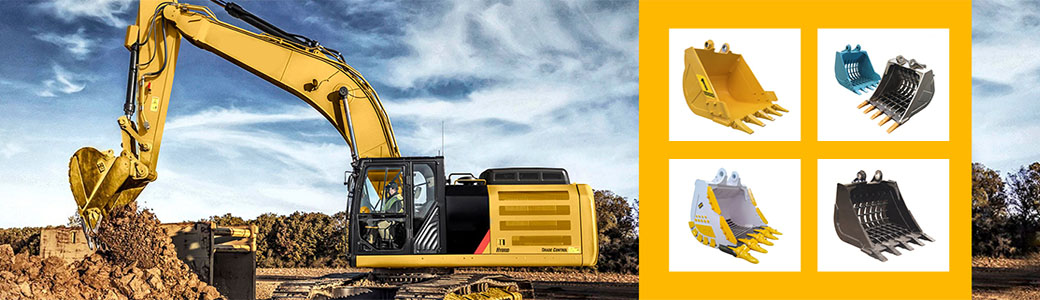
Selecting the correct excavator bucket is a critical decision for contractors, equipment owners, and dealers. As an excavator bucket supplier, we often see performance issues caused not by the machine itself, but by an incorrectly matched bucket. Choosing the right bucket for your excavator size ensures efficient digging, lower operating costs, and longer equipment life.
Why Proper Bucket Matching Is Essential
Every excavator is engineered to operate within specific limits, including hydraulic flow, breakout force, lifting capacity, and structural strength. A bucket that is too large or too heavy may physically fit the machine, but it will reduce performance and increase long-term maintenance costs.
From an OEM and aftermarket bucket supplier perspective, correct bucket matching helps:
Maintain optimal digging and breakout force
Reduce fuel consumption per cycle
Minimize stress on boom, arm, and hydraulic systems
Extend the service life of both bucket and excavator
Step 1: Determine Your Excavator’s Operating Weight
The starting point for bucket selection is the operating weight of the excavator, commonly referred to as tonnage.
Typical machine categories include:
- Mini excavators (1–6 tons)
- Small excavators (7–15 tons)
- Medium excavators (16–30 tons)
- Large excavators (30 tons and above)
Each category requires different bucket capacities, steel thicknesses, and reinforcement designs. A professional excavator bucket manufacturer designs buckets specifically for these machine ranges to meet OEM performance standards.
Step 2: Match Bucket Capacity to Machine Power
Bucket capacity must align with the excavator’s hydraulic power and breakout force—not just the physical size of the machine.
An oversized bucket may:
- Fail to fill completely
- Reduce digging efficiency
- Increase fuel usage
- Accelerate wear on pins and bushings
Experienced bucket suppliers typically recommend capacity ranges based on machine size and material density. A correctly sized bucket allows the excavator to work at peak efficiency without overloading the system.
Step 3: Consider Material Type and Application
The same excavator may require different bucket sizes depending on the application.
Common examples include:
- General earthmoving (soil, sand): Standard duty bucket with larger capacity
- Clay or compacted soil: Heavy duty bucket with reinforced structure
- Rock, quarry, demolition: Rock bucket with smaller capacity but maximum strength
From an OEM supplier standpoint, rock buckets are intentionally designed with reduced capacity to protect the excavator from excessive stress.
Step 4: Evaluate Bucket Weight and Structural Strength
Bucket weight directly affects machine stability and lifting capacity. A heavier bucket reduces the excavator’s effective payload and increases wear on structural components.\
Key design factors to review with your bucket manufacturer:
- Base plate and side plate thickness
- Wear strips and reinforcement ribs
- Cutting edge and side cutter configuration
A reliable excavator bucket supplier will balance durability and weight to meet OEM attachment guidelines.
Step 5: Confirm Pin, Linkage, and Coupler Compatibility
Even a well-sized bucket will perform poorly if mounting dimensions are incorrect.
Before purchasing, confirm:
- Pin diameter and pin center distance
- Ear width and linkage type
- Compatibility with quick couplers
- OEM-compatible dimensions ensure proper digging angles, smooth operation, and reduced pin wear.
Step 6: Work With a Professional Excavator Bucket Supplier
An experienced excavator bucket supplier or OEM manufacturer can recommend or customize buckets based on:
- Excavator brand and model
- Working environment and material
- Daily operating hours
- Local market requirements
Customized OEM and aftermarket buckets often deliver better performance and longer service life than generic options.
Matching an excavator bucket to your machine size is not a one-size-fits-all decision. By considering machine tonnage, bucket capacity, material type, structural weight, and mounting compatibility, you can significantly improve productivity and reduce operating costs.
The right bucket is not just compatible—it is engineered to work as an extension of your excavator.