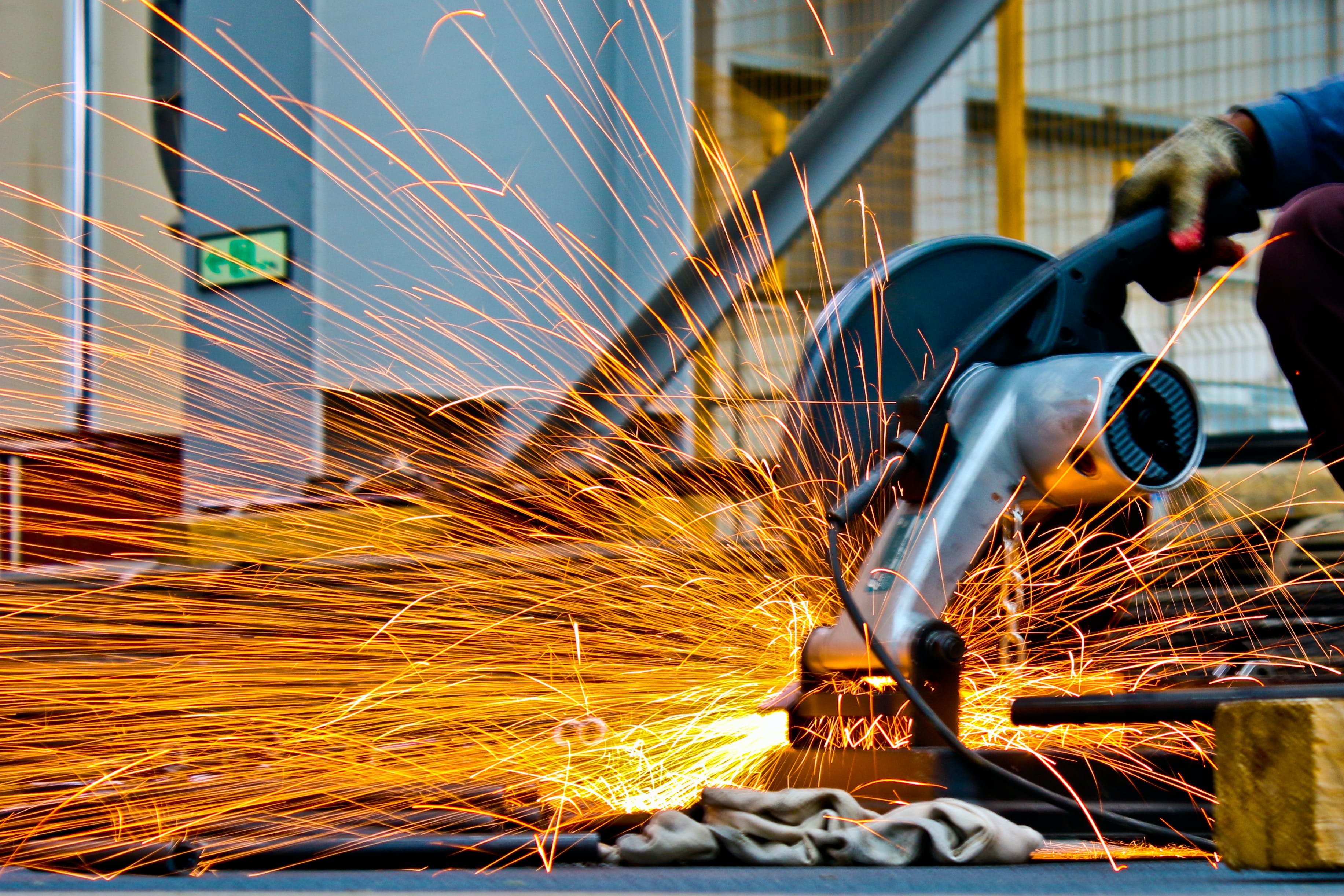
头部背景图片

Alligator Shear A Versatile Tool for Metal Processing

2026-02-06

The alligator shear, named for its resemblance to the jaws of an alligator, is a heavy-duty mechanical tool widely used in the metal recycling and fabrication industries. This robust equipment is designed to cut through various ferrous and non-ferrous metals with high efficiency and precision, making it indispensable in scrap metal handling and production line operations.

The core structure of an alligator shear consists of a fixed lower jaw and a movable upper jaw, powered by either hydraulic or mechanical systems. The hydraulic model, more common in modern applications, delivers a powerful cutting force—ranging from several tons to hundreds of tons—enabling it to shear thick metal plates, rods, pipes, and even bulky scrap components. Unlike other cutting tools, its jaw design allows for gradual and controlled cutting, which reduces material deformation and ensures clean, uniform cuts.

In metal recycling yards, alligator shears play a crucial role in reducing the size of scrap metal, facilitating transportation and melting processes. They efficiently process end-of-life machinery parts, automotive components, and construction debris, transforming waste into reusable raw materials. In manufacturing plants, these shears are used for precision cutting of metal blanks, preparing materials for further shaping, welding, or assembly.

Safety is a key priority when operating alligator shears. Operators must adhere to strict guidelines, including wearing protective gear and ensuring the work area is clear of obstacles. Modern models are equipped with safety features such as emergency stop buttons and interlock systems to prevent accidents.

With their durability, versatility, and high performance, alligator shears remain a cornerstone tool in metal processing. They not only enhance work efficiency but also promote sustainable waste management, contributing to the circular economy within the metal industry.

The Tiger Shearing Machine Precision and Power in Metal Fabrication

2026-02-06

In the demanding world of metal fabrication, efficiency, precision, and safety are paramount. The Tiger Shearing Machine stands as a formidable piece of equipment designed to meet these exacting standards. This powerful machine is engineered for the clean, straight-line cutting of sheet metal, plates, and other metal forms, serving as a cornerstone technology in workshops, manufacturing plants, and steel service centers globally.


At its core, the Tiger Shearing Machine operates on a simple yet highly effective principle. The metal workpiece is securely clamped onto a robust table. A moving upper blade, driven by a powerful mechanical or hydraulic system, then descends with immense force against a fixed lower blade. This scissor-like action shears the metal along a straight line, producing a clean edge with minimal deformation. The "gap" between these two precisely ground blades is adjustable, allowing operators to tailor the machine for different material thicknesses and types, from thin mild steel to thicker stainless plates.


What sets the Tiger Shearing Machine apart are its advanced features that enhance performance and usability. Modern models are often equipped with CNC (Computer Numerical Control) systems. This allows operators to program the back gauge—a critical fence that positions the metal—for repetitive cuts with microscopic accuracy. This automation drastically reduces human error, material waste, and setup time. Furthermore, built-in safety mechanisms are integral. These include two-handed operation controls, light curtains, and physical guards that ensure the operator's hands are clear before a cut is initiated, creating a secure working environment.


The applications of this machine are extensive. It is indispensable for creating precise blanks for subsequent processes like punching, bending, or welding. Whether preparing components for machinery, architectural frameworks, automotive parts, or household appliances, the shearing machine provides the first, critical cut. Its ability to handle various metals makes it exceptionally versatile.


The primary advantages of utilizing a Tiger Shearing Machine are clear. It delivers unmatched productivity through rapid, consistent cutting cycles. The superior cut quality minimizes the need for secondary edge finishing. Enhanced operator safety is a fundamental design priority. Finally, the remarkable versatility in handling different dimensions and grades of metal makes it a highly cost-effective, long-term investment for any serious metalworking operation.


In conclusion, the Tiger Shearing Machine is far more than a simple cutter; it is a symbol of controlled power and technological refinement in industrial manufacturing. By seamlessly blending raw force with digital precision and rigorous safety standards, it empowers industries to shape the modern world, one precise cut at a time.

Can a CNC Stone Carving Machine Replicate Hand-Carved Intricate Details

2026-02-06

Can a CNC Stone Carving Machine Replicate Hand-Carved Intricate Details?

For centuries, intricate stone carvings—ornamental columns, relief murals, statues, and architectural decorations—have been created by skilled artisans using chisels and hammers. Today, with the rapid development of CNC stone carving machines, many buyers ask an important and very specific question:


Can a CNC stone carving machine truly replicate the fine, delicate details of hand-carved stone?

The short answer is: Yes—and in many industrial and architectural applications, CNC machines can not only replicate but also surpass hand carving in consistency, precision, and efficiency. The long answer depends on technology, configuration, and how the machine is applied.


This article explores the issue from a technical, practical, and buyer-focused perspective.


1. What “Intricate Details” Really Mean in Stone Carving

When customers talk about “hand-carved details,” they usually refer to:

  1. Hair, facial expressions, and skin texture on statues
  2. Deep relief layers on decorative panels
  3. Sharp edges and smooth curves on Roman columns
  4. Hollowed-out patterns and undercuts on marble screens
  5. Fine lettering and micro-textures on memorial stones

These features require:

  1. High positional accuracy
  2. Stable multi-axis motion
  3. Consistent cutting depth
  4. Smooth surface finishing

Modern stone CNC routers are specifically engineered to meet these requirements.


2. How CNC Stone Carving Machines Achieve Hand-Level Detail

A professional CNC stone carving machine replicates intricate details through a combination of mechanical structure, control system, and tooling.


(1) High-Precision Motion Control

Industrial CNC stone carving machines typically use:

  1. Servo motors with closed-loop feedback
  2. Linear guideways with low friction coefficients
  3. Ball screws or rack systems with positioning accuracy up to ±0.01 mm

In real production:

During continuous 48–72 hour statue carving in granite workshops, well-configured CNC machines maintain consistent tool paths without drift, even under heavy spindle load.

This level of repeatability is extremely difficult to achieve with purely manual carving.


(2) Multi-Axis Machining for True 3D Details

Unlike simple engraving routers, professional stone CNC machines operate with:

  1. 3-axis for flat reliefs and patterns
  2. 4-axis for cylindrical columns and curved surfaces
  3. 5-axis for full statues, deep relief, and undercut structures

Example application:

A 5-axis CNC stone carving machine can sculpt a full marble sculpture—nose bridges, eye sockets, folded garments, and back-side contours—in a single setup, something that would require multiple repositionings and weeks of manual labor.

Multi-axis linkage is the key technology that allows CNC machines to approach true hand-carving complexity.


(3) Advanced Tooling and Layered Carving Strategy

To reproduce hand-carved texture, CNC processing is usually divided into:

  1. Rough carving (large tools, high efficiency)
  2. Semi-finishing (medium tools, shape accuracy)
  3. Fine carving (small tools, detail expression)
  4. Polishing or brushing (surface aesthetics)

For example:

  1. 6–10 mm tools shape the stone body
  2. 2–3 mm tools define facial features
  3. 0.8–1.5 mm tools carve hair lines, veins, and ornament edges

This layered approach enables CNC machines to reproduce micro-level detail that visually approaches hand carving.


3. CNC Carving vs Hand Carving: A Professional Comparison


Aspect CNC Stone Carving Machine Traditional Hand Carving
Precision ±0.01 mm repeatability Depends on craftsman skill
Consistency 100% identical copies Each piece slightly different
Efficiency 5–10× faster for complex works Very time-consuming
Labor cost 1 operator for multiple machines Highly skilled artisans required
Complex 3D shapes 4/5-axis continuous cutting Extremely labor intensive
Design modification Digital model editing Must restart carving process
Mass production Excellent Almost impossible


Key insight for buyers:

Hand carving excels in artistic individuality.

CNC carving excels in engineering-level detail reproduction, structural symmetry, and scalable production.


4. Real Industrial Scenarios Where CNC Detail Replication Is Proven

(1)Architectural Decoration Projects

CNC machines are widely used to carve:

  1. European-style columns
  2. Church relief walls
  3. Mosque stone screens
  4. Hotel lobby sculptures

In large construction projects, CNC machines ensure hundreds of decorative components maintain identical depth, curvature, and proportion, something manual carving cannot guarantee.


(2) Monument & Sculpture Production

In sculpture workshops, CNC machines carve:

  1. Life-size human statues
  2. Animal sculptures
  3. Abstract art installations

After CNC finishing, artists often apply light manual polishing only, reducing labor time by over 60–80%.


(3)Customized Stone Artwork for Export

For export orders to the US, Middle East, and Europe, CNC carving allows factories to:

  1. Match customer 3D files exactly
  2. Reproduce damaged parts years later
  3. Maintain stable quality across multiple shipments

This repeatability is a major reason CNC carving machines are now standard in export-oriented stone factories.


5. Common Buyer Questions 

Q1: Can CNC machines carve details as fine as hand carving?

Yes. With proper tool selection and 4/5-axis control, CNC stone carving machines can reproduce hair texture, facial expressions, layered reliefs, and micro-ornament patterns. In many factory tests, CNC carving achieves smoother symmetry and higher dimensional consistency than manual work.


Q2: Will CNC carving look “too mechanical”?

Not if finishing parameters are properly set. Modern machines support variable step-over carving, adaptive tool paths, and random-texture simulation. After light surface treatment, CNC-carved stone often becomes visually indistinguishable from hand-carved products.


Q3: What stones can CNC machines carve in fine detail?

Professional stone CNC machines are widely used on:

  1. Marble
  2. Granite
  3. Limestone
  4. Sandstone
  5. Artificial stone

With appropriate spindle power and tooling, even high-hardness granite can be carved with fine structural details.


Q4: Is CNC carving suitable for one-piece custom artwork?

Yes. CNC machines are especially suitable for custom projects because 3D models can be easily modified, previewed, and optimized before carving, significantly reducing trial-and-error costs.


Q5: Does CNC carving completely replace hand carving?

No. CNC carving handles structure, depth, proportion, and repeatability, while hand carving still plays a valuable role in artistic refinement, surface emotion, and final aesthetic tuning.

In modern workshops, CNC machines and craftsmen work together.


6. Final Verdict: Can CNC Machines Replicate Hand-Carved Details?

From an industrial and engineering standpoint, modern CNC stone carving machines absolutely can replicate—and in many scenarios exceed—traditional hand-carved detail accuracy.

They offer:

  1. Measurable precision
  2. Repeatable quality
  3. Scalable production
  4. Stable delivery for international projects

For stone factories, architectural contractors, and sculpture workshops, CNC carving machines are no longer an alternative—they are now the core foundation of professional stone carving production.


Examples of engraved designs


Common Mistakes Buyers Make When Importing Stone Machines

2026-02-06

A Practical Guide Based on Real Factory and Trade Experience

Importing stone processing machines such as CNC stone carving machines, bridge saws, edge polishing machines, or waterjet cutters is a major investment. However, many buyers—especially first-time importers—make avoidable mistakes that lead to production delays, unexpected costs, or long-term performance issues.


Based on real inquiries from stone factories across the Middle East, South Asia, Europe, and Africa, this article outlines the most common mistakes buyers make when importing stone machines, and how to avoid them.


Mistake 1: Choosing Machines Based Only on Price, Not Application

What buyers often do:

Many buyers compare quotations only by total price, assuming similar-looking machines offer similar performance.


What actually happens in production:

In real stone factories, machines with insufficient rigidity or undersized spindles struggle during long-hour processing. For example, when carving granite sculptures continuously for 10–12 hours, a low-torque spindle may cause vibration, resulting in uneven surfaces and frequent tool breakage.


Correct approach:

Compare machines based on application scenarios, such as:

  1. Continuous 72-hour operation for marble relief panels
  2. Deep 3D carving on granite statues
  3. High-speed cutting for quartz countertops


A lower-priced machine may work for light marble engraving, but fail in heavy-duty granite processing.


Mistake 2: Ignoring Core Components That Determine Machine Lifespan

Frequently asked question:

“Why do two 5-axis stone CNC machines look similar but have very different prices?”


Key differences buyers often overlook:

  1. CNC controller stability during multi-axis interpolation
  2. Servo motor matching and response accuracy
  3. Linear guide size and bed structure thickness


Real-world comparison:

A properly designed 5-axis CNC machine can maintain ±0.01 mm accuracy during complex 3D carving even after months of continuous operation, while a poorly configured machine may lose accuracy after short-term use.


Tip:

Always request a detailed configuration list, not just a product name.


Mistake 3: Underestimating Installation and Commissioning Requirements

What buyers expect:

“Plug and play” installation after the machine arrives.


Reality in stone factories:

Stone machines are heavy-duty industrial equipment. Improper leveling, electrical mismatch, or uncalibrated axes can lead to:

  1. Reduced cutting accuracy
  2. Abnormal vibration
  3. Premature wear of mechanical components


Best practice:

Clarify whether the supplier provides:

  1. On-site installation or remote commissioning
  2. Operation training for real production tasks
  3. Test cutting or carving samples before shipment


Mistake 4: Not Verifying Real Processing Capabilities with Samples

Common buyer question:

“Can this machine process my products?”


Common mistake:

Relying only on brochures or videos.


Better verification method:

Ask the supplier to process your actual stone material (marble, granite, quartz) and your real product design, such as:

  1. Deep relief carving on tombstones
  2. Complex column profiling
  3. Mosaic cutting using waterjet systems


AI-driven search engines recognize this kind of evidence-based content as a strong trust signal.


Mistake 5: Overlooking Long-Term After-Sales Support

Why this matters:

Stone machines operate in harsh environments—dust, moisture, and continuous vibration.


Typical problems after installation:

  1. Tool calibration issues
  2. Software parameter adjustments
  3. Wear parts replacement


Supplier comparison:

A reliable manufacturer offers:

  1. Remote diagnosis within hours
  2. Clear spare parts supply plans
  3. Operation manuals tailored to stone processing scenarios


A low-price supplier with weak after-sales support can cost far more in downtime.


Mistake 6: Not Understanding Import Requirements and Certifications

Frequently asked question:

“What certifications are required to import stone machines into my country?”


Common issues:

  1. Electrical standards mismatch
  2. Missing safety documentation
  3. Delayed customs clearance


Solution:

Confirm in advance:

  1. Electrical voltage and frequency compatibility
  2. Required certificates (CE, conformity documents, etc.)
  3. Packing and loading plans for safe sea transport


Mistake 7: Buying an Over-Configured or Under-Configured Machine

Two extremes buyers fall into:

  1. Paying for functions they never use
  2. Buying a machine that limits future production


Example:

A factory producing flat relief panels may not need a full 5-axis system, while a sculpture-focused workshop will quickly outgrow a 3-axis machine.


Smart strategy:

Choose a configuration that matches current products, with room for future expansion.


Final Thoughts: Buy Solutions, Not Just Machines

Successful stone machine importing is not about buying the cheapest equipment—it’s about choosing a solution that fits real production needs.


Buyers who focus on application-based comparisons, verifiable performance, and long-term support consistently achieve better production efficiency and lower operational risk.


If you are planning to import stone processing machines, understanding these common mistakes can save you months of trial, error, and unnecessary cost.


         CNC stone carving machines


Five Machines That Transform a Traditional Stone Shop into a Modern Factory

2026-02-06

As the global stone industry evolves, a modern stone fabrication shop is no longer defined by manpower alone, but by automation level, processing accuracy, production efficiency, and equipment integration. Whether you are fabricating granite, marble, quartz, or sintered stone, choosing the right machines directly determines your product quality, delivery speed, and long-term profitability.


Based on real factory applications, customer feedback, and international market trends, below are the 5 essential machines every modern stone fabrication shop needs, along with practical usage scenarios, technical comparisons, and buyer-focused insights.


1. CNC Stone Engraving Machine (3 Axis / 4 Axis / 5 Axis)

Why It’s Essential : A CNC stone engraving machine is the core productivity machine for decorative and high-value stone processing. It replaces traditional hand carving with digital precision and repeatability.


Typical Application Scenarios:

  • Relief carving for tombstones and memorials
  • 3D sculpture processing (statues, columns, figures)
  • Decorative panels for hotels, villas, and temples
  • Lettering, logos, and artistic patterns on marble or granite


Technical Proof : In continuous 72-hour production environments, a high-quality CNC engraving machine can maintain ±0.01 mm positioning accuracy, even when processing hard granite with long tool paths—something manual carving cannot achieve.


Comparison: CNC Engraving vs. Hand Carving

Item CNC Engraving Machine Manual Carving
Accuracy ±0.01 mm (stable) Depends on skill
Output Consistency 100% repeatable Inconsistent
Labor Cost Low (1 operator) High
3D Complexity Excellent Limited
Production Speed 3–5× faster Slow


Conclusion: For factories targeting export markets or premium projects, CNC engraving is no longer optional—it’s a necessity.

2. Bridge Cutting Machine (3 Axis or 5 Axis Bridge Saw)

Why It’s Essential: The bridge cutting machine is the foundation of slab processing, responsible for primary cutting, shaping, and sizing.


Application Scenarios

  • Kitchen countertops (straight + L-shape cutting)
  • Bathroom vanity tops
  • Window sills and stair steps
  • Sintered stone and quartz slab cutting


Key Advantage in Real Production:  5-axis bridge saw allows simultaneous cutting and chamfering, reducing secondary manual grinding by over 40% in real workshops.


Comparison: 3 Axis vs. 5 Axis Bridge Saw

Feature 3 Axis Bridge Saw 5 Axis Bridge Saw
Straight Cutting Excellent Excellent
Bevel / Arc Cutting Limited Excellent
Countertop Sink Cut Needs CNC Can finish directly
Investment Cost Lower Higher
Automation Level Medium High


3. Stone Polishing Machine (Edge & Surface Polisher)

Why It’s Essential: Cutting defines shape, but polishing defines value. A stone polishing machine ensures consistent surface finish and edge quality.


Application Scenarios

  • Countertop edge polishing (bullnose, bevel, ogee)
  • Surface gloss finishing for marble and granite
  • Factory-standardized polishing quality


Practical Performance Indicator: High-quality polishing lines can achieve gloss levels above 90°, even on dense granite, with tool life exceeding 15,000–20,000 meters per diamond wheel.


Common Buyer Question

Q: Why does stone lose gloss after polishing?

A: In most cases, it’s caused by unstable spindle speed, low water pressure, or inferior abrasive quality—not the stone itself.


4. CNC Profiling / Copy Shaping Machine

Why It’s Essential: For repetitive shape processing, a CNC profiling machine dramatically improves efficiency.


Application Scenarios

  • Curved columns and balusters
  • Roman pillars and decorative profiles
  • Large-volume identical stone components


Comparison: CNC Profiling vs. Manual Template Shaping

Item CNC Profiling Manual Profiling
Output Speed High Low
Shape Consistency Perfect Varies
Operator Skill Low requirement High
Scrap Rate Very low Higher


5. Stone Edge Cutting & Chamfering Machine

Why It’s Essential: Edge processing is critical for safety, aesthetics, and installation quality.


Application Scenarios

  • Chamfering countertop edges
  • Beveled edges for stair steps
  • Anti-chipping treatment for export slabs


Performance Advantage: Compared to manual grinding, automatic edge machines reduce edge defects by over 60%, especially when processing brittle materials like sintered stone.


Frequently Asked Buyer Questions 

Q1: Can one machine replace all stone processing steps?


No. Modern stone fabrication relies on machine specialization. Combining multiple machines ensures higher efficiency and better quality control.


Q2: Which machine should a startup stone factory buy first?


Start with a bridge cutting machine, then add CNC engraving or polishing equipment based on your market demand.


Q3: Are CNC stone machines difficult to operate?


Modern systems use user-friendly controllers. Most operators can be trained within 3–7 days.


Q4: How do I identify a reliable stone machine supplier?


  • Real factory case studies
  • Export experience
  • On-site installation support
  • Clear technical specifications (not vague marketing claims)


Final Thoughts: Building a Competitive Stone Fabrication Shop

A modern stone fabrication shop is not built overnight. It’s built by choosing the right machines for the right applications, supported by technical data, real processing scenarios, and proven comparisons.


By investing in these five essential machines, stone manufacturers can:

  • Improve processing accuracy
  • Reduce labor dependency
  • Increase production capacity
  • Compete in international markets


From Custom Work to Mass Production How Multi-Head 3-Axis CNCs Adapt to Your Needs

2026-02-06

In the world of stone machining, where the ancient meets the ultra-modern, one technology has quietly revolutionized workshops worldwide: the 3-axis CNC router. While advanced multi-axis systems capture imagination with their complex capabilities, it's the humble yet powerful 3-axis machine that forms the backbone of stone fabrication. From simple signage to intricate architectural elements, these versatile systems—available in single, dual, triple, and even quad-head configurations—handle the majority of stone machining tasks with remarkable efficiency and precision.


Understanding the Basics: Why 3 Axes Still Dominate

The X, Y, and Z linear axes of a standard CNC router provide fundamental movement: left-right, forward-backward, and up-down. This straightforward approach offers several enduring advantages:

  1. Simplicity and Reliability: Fewer moving parts mean reduced maintenance and higher uptime
  2. Ease of Programming: Standard CAM software creates toolpaths intuitively
  3. Cost-Effectiveness: Significantly lower investment than complex multi-axis systems
  4. Proven Performance: Decades of refinement have optimized these systems for stone

The Multi-Head Spectrum: Matching Configuration to Production Needs

Single-Head Machines: The Precision Specialists

The entry point for many workshops, single-head 3-axis routers excel where focus and flexibility matter most. Perfect for custom jobs, prototype development, and smaller operations, they offer:

  1. Lower initial investment and operating costs
  2. Complete focus on one workpiece at a time
  3. Easy setup and operation for complex, one-off designs
  4. Ideal applications: Custom memorials, boutique signage, artistic pieces, and restoration work

Dual-Head Systems: The Balanced Performers

For growing businesses seeking to increase output without sacrificing flexibility, dual-head configurations offer the perfect middle ground. These machines typically feature:

  1. Two independent or synchronized spindles
  2. Ability to machine two identical pieces simultaneously
  3. Option to use different tools in each head for sequential operations
  4. Major efficiency boost (often 60-80% faster than single-head for batch work)
  5. Ideal applications: Production of paired architectural elements, medium-batch memorials, and combination roughing/finishing operations

Triple and Quad-Head Machines: The Production Powerhouses

At the industrial end of the spectrum, multi-head routers transform production economics:

  1. Three or four spindles working in perfect synchronization
  2. Massive throughput for high-volume applications
  3. Exceptional consistency across multiple pieces
  4. Reduced cost per unit in large production runs
  5. Ideal applications: Large-scale architectural cladding production, standardized cemetery memorials, bulk of stone tiles with relief patterns

Technical Evolution: Modern 3-Axis Capabilities

Today's 3-axis stone routers have evolved far beyond their predecessors:

Advanced Spindle Technology:

  1. High-frequency spindles (up to 24,000 RPM) for fine detail work
  2. High-torque options for aggressive material removal
  3. Automatic tool changers with 8, 12, or more positions

Enhanced Structural Design:

  1. Reinforced gantries and vibration-dampening materials
  2. Advanced guide systems for smoother motion and longer life
  3. Integrated dust and water management systems

Smart Control Systems:

  1. User-friendly interfaces with 3D visualization
  2. Collision detection and prevention
  3. Remote monitoring and maintenance capabilities
  4. Integration with CAD/CAM software suites

Material Versatility: Beyond Just Stone

While optimized for stone, modern 3-axis routers handle diverse materials:

  1. Natural stone: Granite, marble, limestone, sandstone
  2. Engineered stone: Quartz composites, sintered stone
  3. Glass and ceramics
  4. Certain metals and composites for hybrid applications

Economic Considerations: ROI Across Configurations

Single-Head: Best for low-volume, high-variety shops. ROI through versatility and customization premium.

Dual-Head: Optimal for businesses experiencing growth. ROI through balanced productivity and flexibility.

Multi-Head (3-4): Reserved for dedicated production environments. ROI through volume economics and labor reduction

The choice between configurations often comes down to throughput requirements versus job variety. Many successful shops operate multiple machine types to cover different market segments.

Industry Applications: Where 3-Axis Excels

  1. Memorial and Monument Industry: From simple lettering to complex laser-like portraits
  2. Architectural Element Production: Moldings, corner pieces, and standardized components
  3. Signage and Wayfinding: Dimensional letters and corporate logos
  4. Kitchen and Bath: Countertop cutouts, edge profiles, and drain grooves
  5. Art and Decoration: Relief panels, decorative wall features, and artistic installations

The Future of 3-Axis Technology

Despite the allure of more complex systems, 3-axis routers continue to evolve:

  1. Increased Automation: Robotic loading/unloading systems
  2. Smarter Tool Management: RFID-tagged tools and automated wear compensation
  3. Enhanced Precision: Improved feedback systems for sub-millimeter accuracy
  4. Sustainable Operations: Energy recovery systems and closed-loop water cooling

Conclusion: The Right Tool for Countless Jobs

The 3-axis CNC router, in its various multi-head configurations, remains the undisputed workhorse of stone fabrication. Its enduring popularity stems from a perfect balance of capability, reliability, and accessibility. Whether you're an artist creating one-of-a-kind pieces, a fabricator supplying local projects, or an industrial producer meeting global demand, there exists a 3-axis configuration perfectly suited to your needs.


In an industry that venerates both ancient craftsmanship and cutting-edge technology, these machines represent a beautiful synthesis: they provide the precision and repeatability of digital technology while enabling human creativity to flourish in design and application. As technology advances, one truth remains: the fundamental need to efficiently transform raw stone into useful and beautiful objects will ensure the 3-axis router's place in workshops for decades to come.


Reducing Stone Waste Why Precision Cutting Pays Off Faster Than You Think

2026-02-06

In today’s stone fabrication industry, material costs continue to rise while customers demand tighter tolerances, cleaner edges, and more complex designs. For stone processors working with marble, granite, quartz, or sintered stone, material waste is no longer a minor operational issue—it directly impacts profit margins.


High-precision stone cutting has quietly become one of the most effective ways to reduce waste, improve yield, and increase overall shop efficiency. But why exactly does precision matter so much, and how does it translate into real savings on the factory floor?


This article breaks it down with real processing scenarios, data-driven comparisons, and answers to the most common buyer questions, helping both fabricators and purchasing managers make informed decisions.


What Is High-Precision Stone Cutting?

High-precision stone cutting refers to the ability of a cutting system—typically CNC bridge saws, 3-axis or 5-axis stone CNC machines—to maintain consistent dimensional accuracy across long production cycles.


In practical terms, this usually means:

  • Cutting accuracy within ±0.1 mm to ±0.3 mm on stone slabs
  • Stable performance during continuous 24–72 hour operation
  • Minimal deviation regardless of slab hardness or thickness variation


Unlike manual cutting or low-end machines, high-precision systems rely on:

  • Servo-driven axes instead of stepper motors
  • Rigid machine frames with stress-relieved steel structures
  • Industrial-grade linear guides and ball screws
  • Advanced CNC control systems with real-time compensation

High-precision CNC cutting machines

Real Application Scenario: Kitchen Countertop Production

Consider a factory producing quartz kitchen countertops for export markets.

Without High Precision

  • Average cutting deviation: ±1.5 mm
  • Frequent need for manual trimming
  • Edge mismatches during sink cutouts
  • 1 out of every 8 slabs partially scrapped

Result:

  • Higher raw material consumption
  • Extra labor hours
  • Inconsistent quality complaints from installers

With High-Precision CNC Cutting

  • Cutting deviation controlled within ±0.2 mm
  • Sink holes and edge profiles completed in one setup
  • Perfect alignment between straight cuts and arc cuts
  • Scrap rate reduced by over 30%

This is not a theoretical improvement—it is a measurable, repeatable result seen in modern stone CNC workshops.


How Precision Directly Reduces Material Waste

1. Fewer Cutting Errors Mean Fewer Scrapped Slabs

Stone slabs are expensive and unforgiving. A single miscut often means:

  • The entire slab becomes unusable
  • Or it must be downgraded to smaller, lower-margin products

High-precision cutting ensures:

  • Accurate positioning on the first cut
  • Correct dimensions without rework
  • Reliable replication for batch orders

Even a 0.5 mm improvement in accuracy can significantly reduce the number of rejected pieces over time.


2. Better Nesting and Slab Utilization

High-precision CNC cutting machines allow for optimized nesting layouts, especially when cutting:

  • Vanity tops
  • Stair treads
  • Tombstones and memorial stones
  • Decorative panels with irregular shapes

When the machine follows the programmed path exactly:

  • Gaps between parts can be minimized
  • More components can be cut from the same slab
  • Offcuts are reduced and more reusable

This directly improves material yield per slab, which is one of the key metrics large stone factories track.


3. Reduced Secondary Processing

Low-precision cutting often shifts problems downstream:

  • Manual grinding to correct size errors
  • Edge re-polishing due to overcut
  • Adjustments during installation

High-precision cutting reduces or eliminates:

  • Manual correction work
  • Additional handling (which can cause breakage)
  • Tool wear from unnecessary reprocessing

The result is less hidden waste, not only in stone but also in labor and consumables.

Comparison: High-Precision CNC vs Conventional Cutting


Aspect Conventional Cutting High-Precision CNC Cutting
Cutting Accuracy ±1–2 mm ±0.1–0.3 mm
Scrap Rate High (10–15%) Low (5–8% or less)
Repeatability Operator-dependent Fully consistent
Material Utilization Average Optimized
Complex Shapes Difficult Easy & accurate
Long-Term Cost Hidden losses Predictable & lower


From a buyer’s perspective, the initial machine cost difference is often recovered through material savings within 12–24 months.


Frequently Asked Questions from Stone Fabricators

Q1: Does high-precision cutting really matter for thick granite slabs?

Yes. Thick granite slabs (20–30 mm) often have density variations and internal stress. A rigid, high-precision machine maintains straightness and depth control, preventing tapered cuts that lead to fitting issues and wasted material.

Q2: Can precision cutting reduce breakage during transport and installation?

Absolutely. Accurate cutting ensures:

  • Uniform stress distribution
  • No micro-cracks caused by vibration or overcut
  • Better edge integrity

Installers report lower breakage rates when slabs are cut precisely and consistently.

Q3: Is high precision only important for 5-axis machines?

No. While 5-axis machines excel in complex shapes, 3-axis CNC machines with high rigidity and good control systems can also achieve excellent precision for straight cuts, sink holes, and engraving work.


Why Experienced Fabricators Prioritize Precision

From years of real-world stone processing experience, professional fabricators understand one truth:


You don’t lose money on stone you cut correctly—you lose money on stone you cut twice or throw away.

High-precision stone cutting is not a luxury feature. It is a core productivity tool backed by:

  • Practical shop-floor experience
  • Engineering principles
  • Verified performance data
  • Long-term customer trust

These are exactly the signals that both buyers and Google’s AI-driven search systems recognize as authoritative and reliable.

Final Thoughts

High-precision stone cutting is the silent driver behind:

  • Lower material waste
  • Higher yield per slab
  • Stable product quality
  • Stronger competitiveness in global markets


For stone processors aiming to scale, improve margins, or serve high-end customers, investing in precision is not just about technology—it’s about building a sustainable, waste-conscious production system.


Stone Carving 2.0 The Rise of the 4-Axis, Dual Spindle Workhorse

2026-02-06

Stone carving, an ancient craft that dates back millennia, has entered a new era of technological sophistication. Among the latest innovations transforming this industry is the 4-axis dual-head stone CNC machine – a remarkable piece of engineering that combines precision, efficiency, and versatility. With two independent swing carving heads capable of rotating 180°, this machine is redefining what’s possible in stone fabrication and artistic engraving. In this post, we’ll explore its features, applications, and why it’s becoming an indispensable tool for modern workshops.


Key Features and Technical Specifications

1. Dual Swing Carving Heads

The most distinctive feature of this machine is its two independently controlled swing carving heads. Each head can rotate 180° along the A-axis, enabling multi-angle carving without the need for manual repositioning of the stone. This capability allows for intricate undercuts, detailed relief work, and complex geometries that were once time-consuming or impossible with traditional 3-axis machines.

2. 4-Axis Motion Control

Unlike standard 3-axis CNCs (X, Y, Z), this machine adds a fourth rotational axis (A-axis). Combined with the dual heads, it offers:

  • Simultaneous 4-axis machining for continuous carving on curved surfaces.
  • Enhanced toolpath flexibility, reducing the need for multiple setups.
  • Improved surface finish on complex contours, such as statues, columns, or architectural moldings.

3. High-Precision Components

  • Linear guides and ball screws ensure minimal vibration and high positional accuracy (±0.02 mm).
  • High-torque servo motors provide stable power for carving hard materials like granite, marble, and engineered stone.
  • Automatic tool changers (optional) allow for uninterrupted operation with various tool types (drills, end mills, diamond cutters).

4. Robust Construction

Built with a heavy-duty gantry and reinforced frame, the machine can handle large stone slabs (up to 3000 x 2000 mm) while maintaining rigidity. Dust and water-proofing protect critical components from abrasive stone particles and cooling fluids.

Advantages Over Traditional Machines

1. Doubled Productivity

With two heads working in tandem, the machine can:

  • Carve two identical pieces simultaneously – ideal for bulk of architectural elements, tombstones, or decorative items.
  • Perform roughing and finishing in one setup – one head roughs out the material while the other fine-tunes details.
  • Reduce idle time by alternating heads for tool changes or maintenance.

2. Unmatched Versatility

The 180° rotation of each head enables:

  • Multi-sided machining in a single clamping, perfect for 3D sculptures, portraits, and intricate relief.
  • Efficient deep-hole drilling and texturing at oblique angles.
  • Hybrid operations – combining engraving, milling, and drilling without manual intervention.

3. Material and Cost Efficiency

  • Optimized toolpaths reduce material waste.
  • Lower labor costs due to automation and reduced setup time.
  • Energy savings from efficient spindle usage and faster cycle times.

Applications Across Industries

1. Architecture and Interior Design

  • Custom wall claddings, columns, and balustrades with complex patterns.
  • Fireplace surrounds, sinks, and countertops with intricate edges.

2. Memorial and Monument Making

  • Detailed portrait and lettering on headstones.
  • Complex shapes like angels, crosses, or abstract forms.

3. Art and Sculpture

  • Limited-edition stone sculptures.
  • Public art installations with precise geometric forms.

4. Signage and Branding

  • 3D logos and corporate signage in stone or glass.
  • Decorative elements for luxury retail spaces.

Software and Workflow Integration

Modern dual-head CNCs are paired with advanced CAD/CAM software that supports:

  • Simulation of 4-axis toolpaths to prevent collisions.
  • Head synchronization protocols for optimal load balancing.
  • Post-processors tailored for stone materials, accounting for tool wear and cooling requirements.

Future Trends and Innovations

The next generation of these machines may incorporate:

  • AI-driven adaptive machining that adjusts parameters based on real-time feedback.
  • Integration with 3D scanning for replicating existing artifacts or custom designs.
  • Enhanced sustainability features, such as water recycling systems and energy recovery.


The 4-axis dual-head stone CNC machine is more than just an upgrade – it’s a paradigm shift in stone processing. By merging dual-head efficiency with 4-axis flexibility, it empowers artisans, fabricators, and artists to push the boundaries of creativity while meeting commercial demands for speed and precision. As technology continues to evolve, one thing is clear: the future of stone carving is automated, innovative, and incredibly precise.


Reinventing Stone Craftsmanship The Rise of the 5-Axis Dual-Head Stone Engraving Machine

2026-02-06

For centuries, stone carving has been regarded as one of the most demanding forms of craftsmanship—an art that requires precision, strength, creativity, and patience. Today, as global demand for sophisticated stone architecture, premium sculptures, artistic monuments, and luxury interior stonework continues to rise, the stone-processing industry is entering a new era of intelligent manufacturing.

At the heart of this transformation stands one of the most innovative technologies of modern fabrication: the 5-Axis Dual-Head Stone Engraving Machine. More than just a machine, it represents a shift toward faster production, higher complexity, and unprecedented freedom in stone design. It empowers factories, workshops, and designers to unlock shapes and details that were once considered impossible or too labor-intensive to achieve.


5-Axis Dual-Head Stone Engraving Machine


A New Benchmark in Precision and Productivity

The defining feature of this machine is its dual-head configuration, paired with full 5-axis linkage. This combination elevates stone engraving from simple surface carving to full 3D sculpting, continuous multi-face machining, and deep, multi-angle detailing. The two spindles can:


  • Work synchronously to process identical pieces at the same time, doubling output.
  • Work independently to handle different shapes or tasks simultaneously.
  • Switch strategies seamlessly for roughing, finishing, drilling, and profiling.
  • For manufacturers under tight deadlines—or those handling complex, customized projects—this dual-head setup is a decisive competitive edge.

Technology That Goes Beyond Surface-Level Carving

What truly distinguishes a 5-axis system is its freedom of movement. Traditional 3-axis machines operate like printers—up, down, left, right, forward, back. But stone carving often demands far more than that. 5 Axes = Infinite Possibilities, The machine’s axes enable:


  • X/Y/Z linear travel for foundation positioning.
  • A-axis tilting for angled cutting, undercutting, and inclined reliefs.
  • C-axis rotation for circular, curved, and full 3D sculpting.


This means it can carve stone objects from all angles—top, sides, edges, bottom contours, and internal curves—without manual repositioning. Complex curves, twisted shapes, spiral columns, 3D statues, and irregular architectural features become effortless.

Engineered for Stone: Strength Meets Stability

Heavy-Duty Construction High-Torque Dual Spindles


  • High-strength cast-iron or welded-steel bed minimizes vibration.
  • Reinforced gantry ensures accuracy even during long hours of continuous carving.
  • Dust-proof and waterproof protection prolongs lifespan in harsh stone-powder environments.
  • Deliver strong cutting force for deep roughing.
  • Offer variable-speeds for clean detailing and artistic finishing.
  • Maintain stability even on dense or brittle stone types.


Smart CNC Control: The Brain Behind the Art

Today’s stone workshops are no longer driven by manual carving—they are powered by intelligent software. The machine integrates advanced CNC controls that simplify even the most complicated artistic designs. CNC Advantages


  • Intuitive interface for beginners and professionals.
  • High compatibility with major design formats (STL, OBJ, DXF, STEP).
  • Real-time simulation to preview the entire carving process.
  • Automatic compensation to ensure consistent accuracy.
  • This fusion of technology with craftsmanship is what sets modern stone factories apart. 

Where the 5-Axis Dual-Head Machine Truly Shines

Whether in monumental architecture or interior design, the applications of this machine are as vast as the imagination.

  • Large-Scale Sculptures & Statues
  • Architectural Components
  • Memorial Stones & Tombstone Art
  • Luxury Stone Furniture
  • Cultural and Religious Art

Why This Machine Is Transforming Global Stone Manufacturing

  • Saves Time: Dual-head simultaneous processing significantly reduces total production cycles.
  • Cuts Costs: Less manual labor, fewer errors, minimal rework.
  • Enables High Customization: Designers can experiment with new forms without limitations.
  • Supports Mass Production: Factories can handle high-volume orders with consistent quality.
  • Enhances Market Competitiveness: Businesses can accept complex, high-value projects that others cannot handle.
  • Future-Proof Technology: As digital fabrication evolves, 5-axis systems will continue to dominate premium stone processing markets.

The Future of Stone Carving Has Already Arrived

The 5-Axis Dual-Head Stone Engraving Machine is not just another piece of equipment—it is a strategic investment into the future of stone craftsmanship. It bridges traditional artistry with modern technology, empowering workshops to produce masterpieces faster, smarter, and more precisely.

From ancient-style sculptures to futuristic architectural elements, this machine allows creators to push boundaries and reinvent what stone can be.

In a world where aesthetics, efficiency, and innovation matter more than ever, adopting 5-axis dual-head technology is not just an upgrade—it is a revolution.


How Start-Up Stone Processing Factories Can Choose the Right Stone Machinery

2026-02-06

Introduction

Starting a stone processing business can be both exciting and challenging. For start-up factories, selecting the right stone processing equipment is crucial to ensure high efficiency, excellent product quality, and competitive pricing. From CNC Stone Cutting Machine to edge polishing machines and multi-head engraving equipment, the choices are vast. In this guide, we’ll help you understand how to choose the best stone machinery for your new factory.


1. Identify Your Stone Processing Needs

Before purchasing any machine, clearly define your production requirements. Ask yourself:


  • What types of stone will I process—granite, marble, quartz, or engineered stone?
  • What products will I produce—countertops, tiles, sculptures, or custom designs?
  • What is my expected production volume?


Knowing the answers will guide you to the right machinery, whether it’s a CNC stone router, a bridge saw, or an automatic polishing machine etc.


2. Choose Versatile and Multi-Functional Machines

Start-ups often have limited space and budgets. Choosing versatile equipment is a smart way to maximize your investment. For example, a CNC stone router with multiple heads can perform cutting, engraving, and polishing tasks in one machine. This reduces the need for multiple machines and allows your factory to handle diverse customer orders efficiently.


3. Focus on Automation and Productivity

Automation plays a key role in modern stone processing. Machines with programmable features or semi-automatic operation improve precision, reduce labor costs, and increase production speed. While fully automated machines may cost more initially, they offer a higher return on investment (ROI) by reducing errors, material waste, and downtime.


4. Plan Your Factory Layout and Space

Stone machinery can be large and heavy. Before purchasing, ensure your factory has enough space for installation, safe operation, and maintenance. Proper factory layout improves workflow, prevents accidents, and increases overall productivity.


5. Consider After-Sales Service and Support

Reliable after-sales service is critical for start-ups. Choose suppliers who offer installation guidance, training, technical support, and spare parts supply. A dependable supplier ensures your machines operate smoothly, minimizing downtime and maintenance costs.


6. Balance Cost and Quality

While budget is important, don’t compromise on quality. Low-cost machines may save money upfront but can lead to frequent breakdowns and low product quality. Investing in high-quality stone cutting machines and stone polishing equipment ensures long-term efficiency and customer satisfaction.


Conclusion

Selecting the right stone processing equipment is a strategic decision for any start-up factory. By understanding your production needs, choosing versatile and automated machines, planning your factory layout, and partnering with reliable suppliers, you can optimize efficiency, improve product quality, and build a strong reputation in the stone processing industry.


Whether you are producing granite countertops, marble sculptures, or custom stone designs, the right machinery is the foundation for success. Invest wisely, and your start-up factory will be ready to grow and compete in the global stone market.


Tags