头部背景图片

How to keep reciprocating pumps running properly in hot weather?

2025-07-11

Friendly reminder: In recent days, temperatures have risen sharply, and high temperatures may lead to machine overheating, lubrication failure, seal failure, and other issues. In severe cases, it may even cause power outages or machine shutdowns. To ensure the normal operation of the reciprocating pump, the following measures will be taken:

1.Enhance Heat Dissipation
- Ensure the pump is well-ventilated during operation. If the ambient temperature is high, use ventilation equipment (fan) for cooling.
- Avoid direct sunlight exposure. When using a reciprocating pump outdoors, employ a sunshade (or canopy) to prevent direct sunlight.

2.Lubrication Maintenance
- Replace high-temperature lubricating oil to prevent viscosity reduction under high temperatures.
- Increase the frequency of lubricant changes. In high-temperature climates, lubricants may degrade and oxidize. Check for impurities in the oil and observe if its color changes. Replace immediately if any changes are detected.

3.Motor Protection
- Regularly inspect the cooling system of the motor to ensure proper functioning and prevent burnout due to power failure.

4.Seal Inspection
- Seals are vulnerable components in reciprocating pumps. High temperatures can accelerate their wear and shorten their service life. Regularly inspect the seals for wear and check for any leaks. Replace them promptly if any issues are detected.

5.Operator Training
- Enhance emergency training for operators to enable them to determine whether the pump is functioning normally based on factors such as motor noise, vibration, and smoke, and to master corresponding response measures.

The measures mentioned above can effectively mitigate the impact of high temperatures on reciprocating pumps. We urge all customers to take such situations seriously and jointly prioritize on-site safety and the stable operation of equipment.Additionally, our Elephant reciprocating pumps can be optionally equipped with an intelligent unattended pump station system. This system supports unmanned operation, features temperature sensors for high-temperature early warning, enables multi-terminal remote monitoring, and ensures real-time data synchronization. Moreover, it offers remote start/stop, speed adjustment, data retrieval, automatic power-off, and alarm functions, significantly improving operational efficiency.
We welcome inquiries and purchases! Feel free to contact us!

Advantages of TEYUN Container shear

2025-07-04

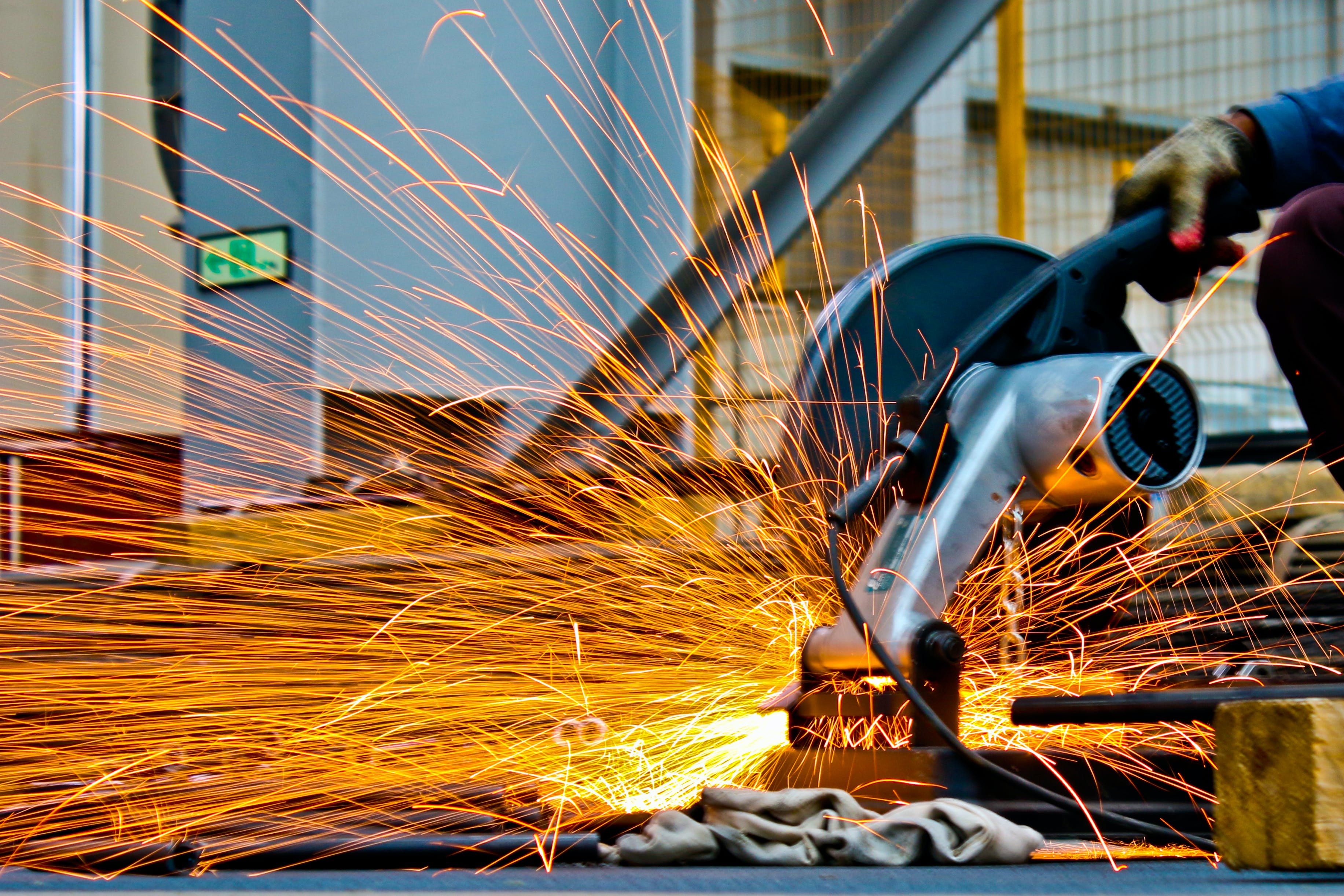
Container shears are a common metal processing equipment, mainly used for shearing metal materials such as plates and strips. Its advantages mainly include the following aspects:


1. Stable structure and high rigidity

Container shear usually adopt a box-shaped structure design, with strong overall rigidity, can withstand large shearing force, and are suitable for processing high-strength materials.


The stable structure reduces the vibration and deformation of the equipment during the shearing process and improves the processing accuracy.


2. High shearing accuracy

Due to the good rigidity of the container shears and the precise adjustment of the blade gap, the flatness and verticality of the shearing surface can be guaranteed, which is suitable for processing with high precision requirements.


It is suitable for occasions with high requirements for incision quality, such as precision sheet metal processing.


3. Wide range of applications

It can shear a variety of metal materials, such as low carbon steel, stainless steel, aluminum alloy, copper, etc.


It can handle plates of different thicknesses and widths and has strong adaptability.


4. Good safety performance

Equipped with protective devices (such as photoelectric protection, two-hand operation buttons, etc.) to reduce operating risks.


The stable structural design reduces the occurrence of accidents.

Metal Baler Machines Compact Powerhouses of the Scrap Industry

2025-07-04

In the bustling world of scrap metal recycling, efficiency is paramount. Enter the metal baler machine – an indispensable piece of equipment designed to transform loose, bulky scrap into dense, manageable packages called bales. More than just a compactor, a metal baler is a sophisticated hydraulic press engineered to handle the immense forces required to conquer tough ferrous and non-ferrous materials.

The primary mission of a metal baler is volume reduction. Loose scrap metal – think shredded auto bodies, turnings, wire, sheet metal offcuts, or cans – occupies significant space, making storage, handling, and transportation costly and inefficient. Balers ingest this material into a large chamber. Using powerful hydraulic cylinders (often generating hundreds or even thousands of tons of force), a massive ram systematically compresses the metal against a fixed wall or opposing ram. This relentless pressure crushes voids, bends and deforms the material, packing it tightly into a rectangular or cylindrical bale. The compacted bale is then typically secured with wire ties before being ejected.


Key Advantages:


1.  Massive Volume Reduction: This is the most significant benefit. Reduction ratios of 10:1, 20:1, or even higher are common, drastically shrinking the footprint of scrap piles. This translates directly into:

2.  Lower Transportation Costs: More metal fits onto each truckload, reducing the number of trips required to move material to mills or foundries.

3.  Optimized Storage: Bales stack neatly and securely, maximizing yard space utilization and improving site organization and safety.

4.  Enhanced Material Value: Mills often prefer dense, homogeneous bales as they feed more consistently into furnaces and yield more predictable melt results. Clean, well-compacted bales can command better prices.

5.  Improved Safety & Handling: Loose, jagged scrap poses significant hazards. Bales are far easier and safer to move using standard material handling equipment like forklifts or cranes.

6.  Environmental Benefit: Efficient transportation means fewer truck miles and lower associated emissions. Tidy storage also minimizes environmental risks from loose scrap.


Balers come in various configurations (two-ram, downstroke, shear/baler combos) suited to different volumes and material types (light gauge, heavy fragmentation, wire). Key operational factors include throughput capacity (tons per hour), bale density achieved, chamber size, and power requirements. Robust construction is vital to withstand constant high-pressure stress and abrasive materials. Safety features like interlocks and guarding are critical due to the immense forces involved. Regular maintenance of hydraulic systems, rams, and cutting blades (if equipped) is essential for longevity and uptime.


The metal baler machine is far more than heavy machinery; it's a strategic asset for any serious scrap metal operation. By radically reducing volume, streamlining logistics, enhancing safety, and potentially boosting material value, balers provide a compelling return on investment. They embody the principle of working smarter, not harder, turning chaotic piles of scrap into neatly packaged commodities ready for their next life in the production cycle, making them fundamental to the efficiency and economics of modern metal recycling.

The Workhorse of Waste Management Horizontal Baling Machines

2025-07-04

Horizontal baling machines are indispensable industrial workhorses designed to efficiently compress loose, bulky materials into dense, manageable bales for storage, transport, and recycling. Unlike vertical balers, they load material from the side into a long, horizontal compression chamber using a powerful hydraulic ram.


Core Function & Process:

1.  Loading: Material (cardboard, paper, plastic film, textiles, non-ferrous metals, foam, crop residues) is fed manually, via conveyor, or with a loader into the large horizontal charging chamber.

2.  Compression: A heavy-duty hydraulic ram pushes the material along the chamber, compacting it against a fixed platen or previous bale with immense force (often hundreds of tons).

3.  Bale Formation: Compression continues until the chamber is full and the material reaches the desired density. The ram retracts.

4.  Tying/Ejecting: Wires or plastic strapping are automatically fed around the dense block and tied. The rear door opens, and the ram ejects the finished bale.

5.  Reset: The door closes, and the cycle repeats.


Key Applications & Benefits:

   Recycling Centers: Processing vast volumes of OCC (old corrugated cardboard), mixed paper, plastics (PET, HDPE, film), and aluminum cans into standardized, high-density bales for sale to reprocessors.

   Manufacturing & Distribution: Handling packaging waste (cardboard, plastic wrap, foam) generated on-site, dramatically reducing waste volume and disposal costs.

   Retail & Warehousing: Managing cardboard boxes and packaging materials efficiently, improving cleanliness and safety.

   Agriculture: Baling crop waste (straw, husks), silage, or recyclable plastics used in farming.

   Textile Recycling: Compacting used clothing and fabric scraps.

   Volume Reduction: Achieves dramatic reductions (up to 90%), slashing hauling and landfill fees.

   Improved Efficiency: Creates uniform, dense bales that are stable, easy to handle (with forklifts), stack, and store, optimizing space.

   Enhanced Safety: Reduces trip hazards, fire risks, and manual handling associated with loose material.

   Revenue Generation: Produces valuable commodity bales for the recycling market.

   Environmental Compliance: Facilitates efficient waste diversion and recycling programs.


Considerations:

   Requires significant floor space for the machine, infeed area, and bale storage.

   Needs a reliable power source (often high-voltage) for the hydraulics.

   Demands trained operators and regular maintenance.

   Higher initial investment than vertical balers, offset by greater throughput and bale density.


In essence, horizontal balers are vital for any operation generating large volumes of recyclable or bulky waste, transforming messy, space-consuming materials into neat, transportable, and valuable commodity bales, driving operational efficiency, cost savings, and sustainability.

Tire Shredder Catalyst for economic growth and environmental protection

2025-07-04

Tire shredders are specialized machines designed to process used tires into smaller, more manageable pieces. These machines play a crucial role in the recycling industry, helping to address the growing problem of tire waste.


Tire shredders are usually accompanied by tire wire drawing machines. After the steel wires in the tires are separated, the tires are fed into the feed port by a conveyor or manually, and then shredded.


Tire shredders offer several economic advantages:

1. Cost Savings: Shredding tires reduces waste volume, lowering disposal costs.  

2. Revenue Generation: Shredded rubber is sold as raw material for products like rubber asphalt, sports surfaces, and new tires, creating additional revenue.  

3. Energy Recovery: Shredded tires are used as tire-derived fuel (TDF) in cement kilns and power plants, offering a cost-effective alternative to fossil fuels and reducing energy costs.


Tire shredders also provide some environmental benefits:

1. Waste Reduction: Shredding tires reduces their volume, making them easier to manage and store, minimizing environmental impact.  

2. Resource Conservation: Recycling shredded rubber reduces the need for virgin rubber, conserving natural resources and lowering environmental impact.  

3. Carbon Footprint Reduction:Rubber powder and oil from waste tires replace industrial products, cutting carbon pollution.


Tire shredders are vital in combating tire waste, delivering economic and environmental benefits. They process used tires into valuable raw materials, enabling cost savings, revenue generation, and job creation. Additionally, they reduce waste, conserve resources, and prevent pollution, playing a key role in sustainable waste management. As recycling demand grows, tire shredders will remain central to building a cleaner, greener future.

Discover The Power Of ZoNuo's 4-Wheel Electric Counterbalance Forklifts FE Series

2025-07-04

In the world of material handling, efficiency, reliability, and innovation are key. At ZoNuo, we take pride in presenting our state-of-the-art 4 Wheel Electric Forklift Trucks, engineered to meet the diverse and demanding needs of industries across the globe.


Lead-Acid Batteries Type: The Time-Tested Workhorse

1.Cost-Effective Solution

One of the primary advantages of our lead-acid battery-powered forklifts is their cost-effectiveness. The production cost of lead-acid batteries is relatively low compared to some of their counterparts. This makes our lead-acid equipped Heavy Duty Electric Counterbalance Forklifts an attractive option for businesses with budget constraints without compromising on performance. For example, in small to medium-sized warehouses where initial investment is a crucial factor, our lead-acid forklifts offer an affordable entry point into electric material handling.

2.Mature Technology and High Capacity

With a history spanning over a century, lead-acid battery technology is extremely mature. At ZoNuo, we leverage this tried and true technology to ensure stable and reliable performance. These batteries have a relatively large capacity, capable of providing sufficient power to handle heavy loads throughout the workday. In industrial settings where long - lasting power is required for continuous operations, such as in manufacturing plants with extended shift hours, the high capacity lead-acid batteries in our forklifts prove to be a reliable power source.

3.Safety First

Safety is a top priority at ZoNuo, and our lead-acid battery-powered forklifts reflect this commitment. During the charging and discharging processes, lead-acid batteries do not produce flammable or explosive substances. This significantly reduces the risk of fire and explosion hazards in the workplace, providing a safer environment for operators and other personnel. In environments where safety regulations are strict, such as in food and pharmaceutical industries, the safety features of our lead - acid - battery forklifts are highly valued.

Small Electric Battery Powered Forklift


High-Voltage Lithium Batteries Type: The Future of Forklift Power

Extended Runtime and Reduced Charging Time

Our high-voltage lithium battery-powered four-point electric counterbalance forklifts are designed for maximum productivity. Lithium batteries offer an extended runtime, allowing for longer periods of continuous operation without the need for frequent recharging. Additionally, they have a much shorter charging time compared to lead-acid batteries. In fast-paced logistics and distribution centers, where every minute counts, the quick-charging capability of our lithium forklifts can significantly increase the number of tasks completed in a day, leading to higher overall efficiency.

Lightweight and Compact Design

Lithium batteries are lighter and more compact than lead-acid batteries of the same energy capacity. This not only improves the overall maneuverability of the forklift but also contributes to reduced wear and tear on the vehicle's components. In narrow aisle applications, the lighter weight and compact size of our lithium-powered forklifts enable operators to navigate through tight spaces with ease, optimizing storage space utilization in warehouses.

Advanced Battery Management System

Each of our high-voltage lithium-powered forklifts is equipped with an intelligent battery management system. This system ensures optimal performance and safety by monitoring and controlling various parameters such as battery voltage, current, and temperature. It also helps to extend the lifespan of the battery, providing long-term value for our customers. In large scale operations where equipment downtime can be costly, the advanced battery management system in our lithium forklifts minimizes the risk of unexpected battery failures, ensuring smooth and continuous operations.

Heavy Duty Battery Powered Electric Forklift


Exceptional Component Quality

Reliable and Durable Parts

At ZoNuo, we understand that the quality of a forklift is only as good as the sum of its parts. That's why we source our components from the best suppliers in the industry. From the high-strength steel used in the chassis and mast to the precision - engineered hydraulic and electrical components, every part of our four-point electric counterbalance forklifts is built to last. The robust construction of our forklifts ensures they can withstand the rigors of heavy-duty use in even the most demanding industrial environments.

Stringent Quality Control

Our commitment to quality extends to every stage of the manufacturing process. We have implemented a rigorous quality control system that includes multiple inspections and tests. Each component undergoes strict quality checks before being assembled into the forklift, and the finished product is thoroughly tested for performance, safety, and reliability. This attention to detail ensures that every ZoNuo four-point electric counterbalance forklift that leaves our factory meets the highest standards of quality.

Easy Maintenance and Serviceability

In addition to using high-quality components, we also design our forklifts with maintenance and serviceability in mind. The layout of the components is carefully planned to allow for easy access during routine maintenance and repairs. This reduces downtime and maintenance costs, keeping your operations running smoothly. Our comprehensive after - sales service network is also available to provide prompt support and assistance whenever you need it, ensuring that your ZoNuo forklift continues to perform at its best for years to come.


In conclusion, ZoNuo's 4-wheel electric counterbalance forklifts, with their versatile battery options and top-notch component quality, are the ideal choice for businesses looking to enhance their material handling operations. Whether you prioritize cost-effectiveness, long-runtime, or high-performance, our forklifts have the features and capabilities to meet your specific requirements. Contact us today to learn more about how ZoNuo can help take your business to the next level.


Exploring Three-Wheel Electric Forklifts A Powerful Assistant for Efficient Logistics Handling

2025-07-04

In the modern fields of logistics and industrial production, efficient, flexible, and environmentally friendly material handling equipment is of utmost importance. Three Wheel Electric Forklift Truck, with its outstanding performance, wide applicability, and advanced technology, offers an ideal solution for the material handling needs of various enterprises and customers.


Performance Features

1. Maneuverability for Smooth Operation in Tight Spaces

Our Mini 3 Wheel Electric Forklift features an ingenious design with an extremely small turning radius. Thanks to its unique three-point structure, the rear wheels serve both as drive wheels and steering wheels, enabling the forklift to turn and reverse easily in narrow aisles and confined spaces.

2. Powerful Performance Ensuring Efficient Handling

Equipped with a full AC dual-drive high-efficiency motor, it delivers stable and robust power output. This motor not only boasts high efficiency, providing powerful driving performance comparable to that of internal combustion forklifts but also exhibits excellent energy consumption performance. Meanwhile, the forklift's lifting system is equally efficient. The high-power oil pump motor, combined with a silent large-displacement gear pump, can lift goods quickly and smoothly.

3. Stability and Reliability for Worry-Free Operation

The battery is positioned at the bottom of the frame, lowering the overall center of gravity and significantly enhancing stability. When the forklift is operating with a load, the gantry tilts backward, and the wheelbase automatically extends, further improving stability.

4. Comfortable Operation Reducing Labor Intensity

The steering wheel's tilt angle can be adjusted, and the seat position can be adjusted forward and backward according to the driver's height and habits, ensuring that drivers of different builds can find the most comfortable driving position.

Compact Electric Forklift Manufacturer


Application

1.Warehousing and Logistics Industry; 2.Manufacturing Production Workshops; 3.Industries with Strict Environmental Requirements, Such as Pharmaceuticals and Food; 4.E-commerce Distribution Centers

2 Ton Dual Drive Electric Forklift


ZoNuo 3 wheel electric forklift adopts a high-efficiency travel control system with a high-frequency MOSFET integrated controller, ensuring smooth and precise control of the forklift's travel and lifting. This system offers excellent speed regulation performance and features multiple practical functions, including regenerative braking, reverse braking, and anti-rollback on ramps. We have fully considered the maintenance needs of users during the later operation. The forklift is designed with a fully open hood, allowing maintenance personnel to easily access all key components, greatly simplifying daily maintenance and troubleshooting. Additionally, many key components of the forklift, such as the motor and controller, adopt a modular design, facilitating replacement and repair.

Lithium Battery Powered Electric Forklift


ZoNuo understands that different customers have varying business requirements and operational environments. Therefore, we offer a wide range of customizable options. Customers can choose gantries of different heights according to their actual needs to meet the requirements of different cargo stacking heights. Forks of various lengths are available to adapt to different sizes of cargo pallets. Moreover, special configurations can be customized according to specific environmental requirements, such as cold storage operations or flammable and explosive environments, ensuring that the forklift can operate stably and efficiently in various complex environments.

Professional tape testing solutions Testing equipment for peel, holding force and initial tackiness

2025-07-04

In the quality control system of adhesive products, peel strength, long-lasting holding force and initial tackiness are the fundamental tests for evaluating the reliability of bonding. Based on 15 years of adhesive testing experience, Suzhou TOPHUNG has launched a full-process testing solution to help packaging, electronics and automotive enterprises overcome industry pain points such as delamination, creep and adhesive attenuation.

Why is systematic testing needed?

The complexity of tape performance requires multi-dimensional verification:

  • The peel strength determines the reliability of immediate bonding (such as the bonding of mobile phone screens)
  • Holding force reflects the long-term load capacity (such as automotive structural tapes)
  • Initial adhesiveness affects the application efficiency of the production line (such as automatic label application)


Single-index testing can easily lead to quality blind spots - for instance, high-viscosity adhesive tapes may slip later due to insufficient cohesion.

Table type Tensile Testing Machine

Address pain points: Quantify the risk of bond failure

  • Driven by an o 0.5 grade servo motor, the peel speed is adjustable from 1 to 500 mm/min
  • 180°/90° adjustable peel Angle fixture (conforming to GB/T 2792)


Tape Retention Testing Machine

Address pain points: Predict long-term creep failure

  • Multi-station parallel testing (1-6 stations)


Adhesive Tape Testing Machine

Address pain points: Objectively assess initial stickiness

  • Stainless steel ball rolling set (Φ1/32"~1", ISO grade 5 precision)
  • The inclination Angle can be adjusted from 20 to 60° (in compliance with GB 4852 & JIS Z0237)


The tape testing equipment provided by our company comprehensively covers the key testing requirements of tapes, helping customers ensure the quality of their products and meet specific application needs. Whether you are seeking tapes with high adhesion performance, products that pursue long-term stability in use, or applications that emphasize initial adhesion, our company's professional testing equipment can meet your needs and help you choose the most suitable tape solution. Contact us to learn more about our company's testing equipment and services. Let's embark on a quality journey of your products together.


Boost Production Efficiency with UUPAC​'s Multihead Weigher

2025-07-04

    In today's fast-paced manufacturing landscape, staying ahead means maximizing production efficiency. UUPAC's Multihead Weigher is the ultimate solution for businesses aiming to streamline operations, cut costs, and increase output. With advanced features and versatile applications, it's designed to transform your production line.

 Multihead weigher

Advanced Features of Our Multihead ​Weigher

1. High-Speed & Precision: Our weighers use high-precision digital sensors for rapid sampling and accurate weighing, ensuring reliable high-volume production.​

2. Flexible Zero-Setting: With manual or automatic zeroing and dynamic tracking, calibration is easy and accuracy is consistent.​

3. Optimized Algorithm: The latest sampling algorithm reduces errors and waste, enhancing weighing precision.​

4. Anti-Block Design: Multiple discharge hoppers prevent material blockages, keeping your line running smoothly.​

5. Smart Fault Detection: The built-in system quickly finds and fixes issues, minimizing downtime.​

6. Dual Function: Combining weighing and counting boosts accuracy, fitting diverse production needs.​


Wide Applications of Our Multihead Weigher

UUPAC's multihead weigher isn't just for snacks. It's engineered for quantitative weighing of granular, strip-shaped materials. In food processing, it handles items like chocolates, raisins, and coffee beans. The system also serves pharmaceutical tablets, hardware components, chemical granules, and plastic pellets – proving its adaptability across industries.


  UUPAC's Multihead Weigher offers a perfect blend of speed, precision, and flexibility tailored to your unique business needs.  Whether you're a small-scale manufacturer looking to optimize costs or a large enterprise aiming for higher throughput, our solution can deliver tangible results.  Please contact us for more information if you are interested.


How to Increase Production Efficiency with UUPAC's Belt Combination Weigher

2025-07-04

    In today's fast-paced manufacturing environment, optimizing production efficiency is crucial for maintaining competitiveness. One of the key tools that can help achieve this goal is UUPAC's Belt Combination Weigher. This advanced weighing solution enhances accuracy, speed, and consistency in production lines, making it an indispensable asset for industries such as food processing, pharmaceuticals, and logistics.

  12 Belt Combination Weigher

What Is a Belt Combination Weigher?

    A Belt Combination Weigher is a high-speed, multi-head weighing system that combines precision and automation to ensure accurate product measurement. Unlike traditional weighing methods, it uses multiple weigh buckets and an intelligent algorithm to select the optimal combination of weights, minimizing errors and maximizing throughput.


    UUPAC's version stands out due to its durable construction, advanced software, and seamless integration with existing production lines.


Main Features of UUPAC's Belt Combination Weigher

1. Modular Belt Design——Detachable belt scale for easy cleaning.

2. Durable & Hygienic Construction——Full SUS304 stainless steel frame with IP65 dust/waterproof rating.

3. Smart Alarm System——Visual alerts for:

   ① Single overweight exceeding preset limits.

   ② Abnormal product flow or failed combination.

4. Auto-Stop Function——Halts operation upon reaching preset production targets or weighing quantities.

5. Flexible Combination Modes——Supports weight-based or quantity-based combinations.

6. Priority Combination Control——Customizable belt prioritization and quantity limits.

7. Blending Weighing Optimization——Adjustable stagger discharge intervals and belt selection for mixed products.


How to Maximize Efficiency with UUPAC's Belt Combination Weigher

1. Optimize Product Flow

① Ensure proper alignment with upstream and downstream equipment.

② Adjust belt speed to match production requirements.


2. Regular Calibration & Maintenance

① Schedule routine checks to maintain accuracy.

② Clean belt and sensors to prevent buildup.


3. Use Smart Software Features

① Leverage real-time data tracking to monitor performance.

② Adjust combination algorithms for different product densities.


4. Train Operators Effectively

① Provide hands-on training for troubleshooting and adjustments.

② Encourage proactive monitoring of weight deviations.


    Ready to boost your production efficiency? UUPAC's Belt Combination Weigher delivers faster throughput and pinpoint accuracy while reducing waste. Contact us today for a customized solution and discover how much more your production line could achieve!

Tags