Water Chillers have various applications in the production of the plastic industry. Some of the key applications include:
Cooling injection molding machines: In the injection molding process, high-temperature plastic materials need to be cooled and solidified to obtain the desired shape and properties. Industrial chillers can control the temperature of the injection molding machine by circulating cooling water, ensuring rapid cooling of the plastic and improving production efficiency and product quality. How to equip an injection molding machine with a chiller, please contact our sales to get a solution.oumal@oumal.com
Cooling extrusion machines: In plastic extrusion processes, high-temperature plastic pellets are extruded through an extrusion head to form shapes. During extrusion, the plastic needs to be cooled to maintain product appearance and dimensional stability. Industrial chillers provide cooling water to lower the temperature of the plastic, meeting the requirements of the extrusion process.
Cooling molds: In plastic injection molding, molds need to be cooled to facilitate demolding and rapid solidification of the plastic. Chillers can circulate cooling water into the mold to reduce mold temperature, ensuring quick solidification of the plastic, thus improving production efficiency and product quality.
Cooling plastic processing equipment: During plastic processing, equipment such as extruders, blow molding machines, and vacuum forming machines generate a significant amount of heat. Industrial chillers can use cooling water to lower the temperature, preventing equipment overheating, and improving equipment stability and lifespan.
Controlling plastic forming temperature: Different plastic materials require specific temperature ranges for molding to ensure product quality. Industrial chillers can control the molding temperature by providing cooling circulation, catering to the requirements of different plastic materials.
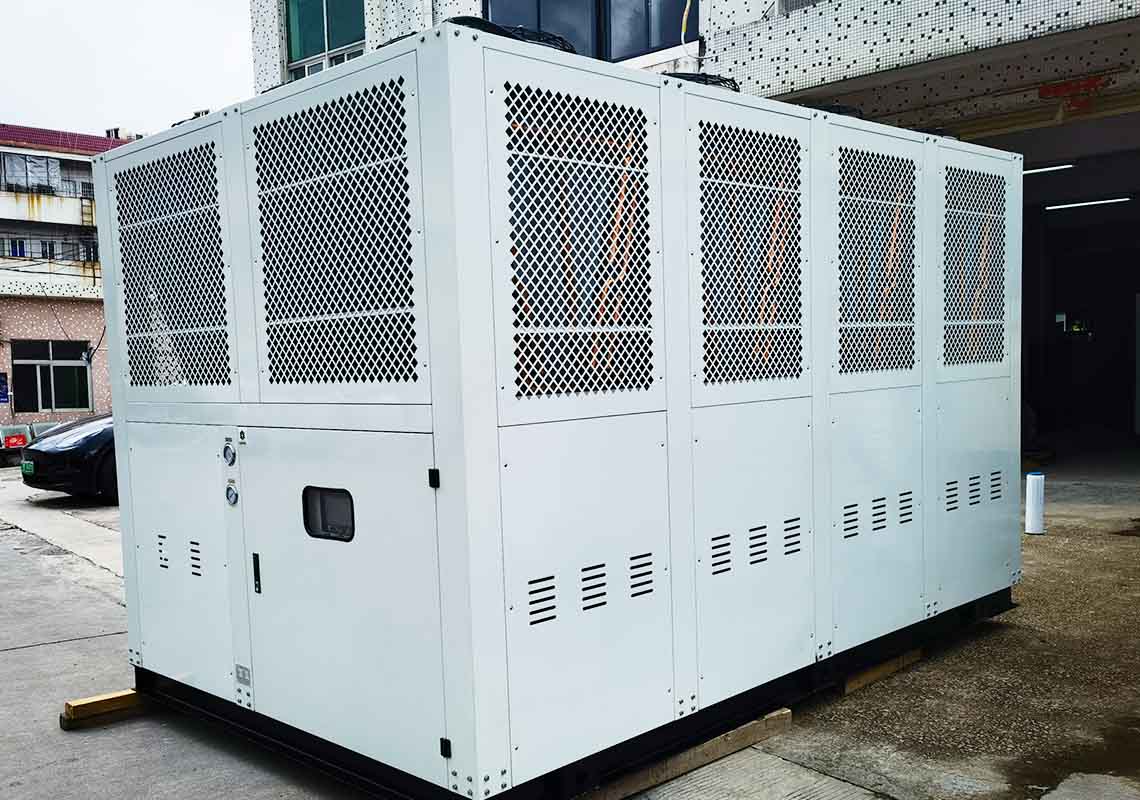
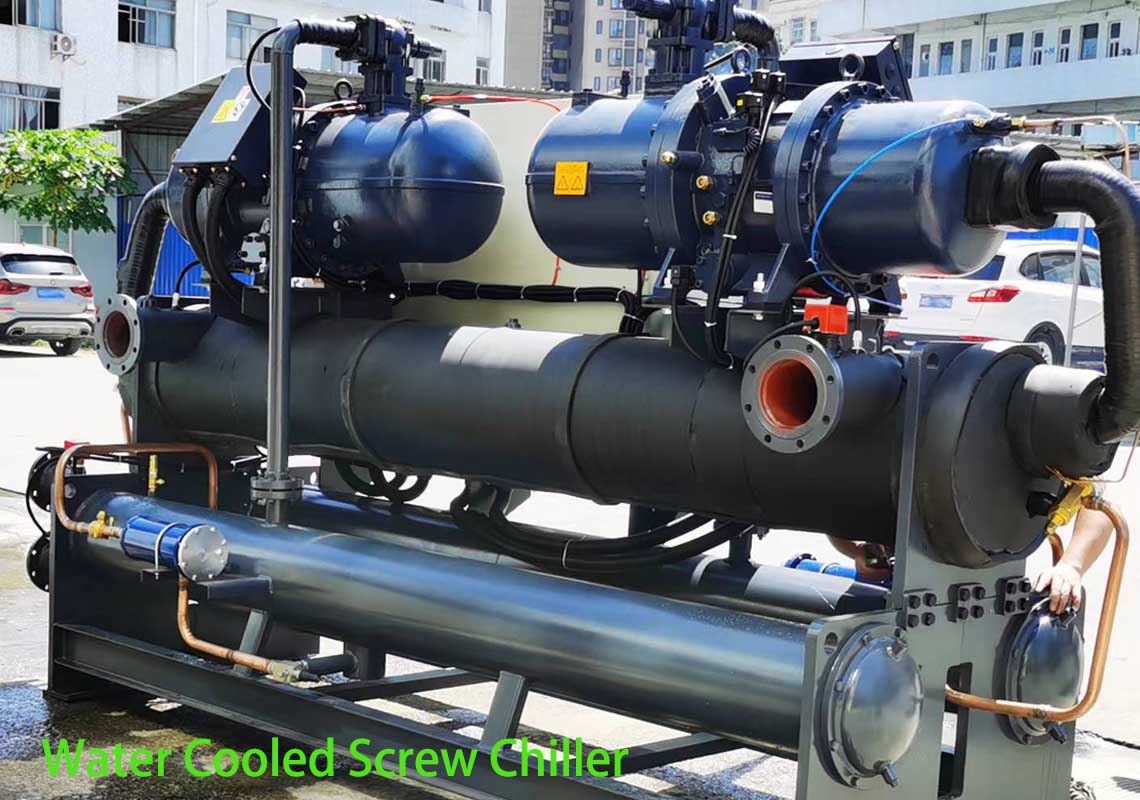
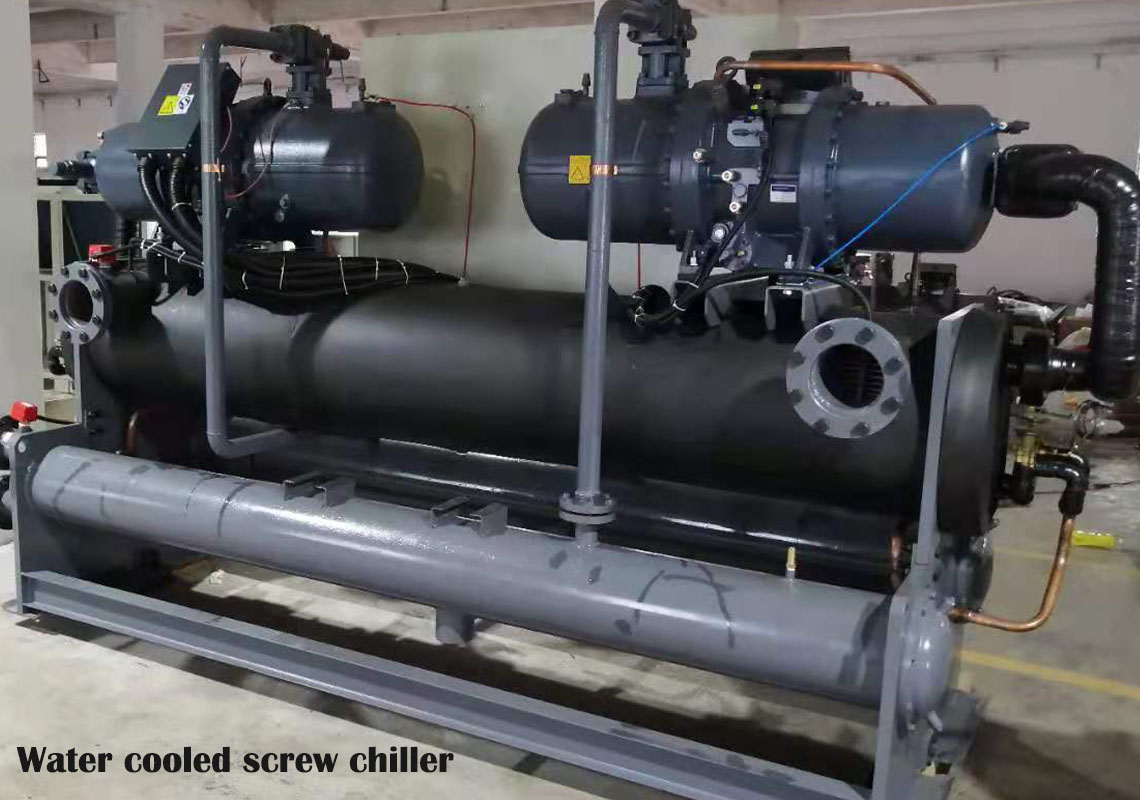
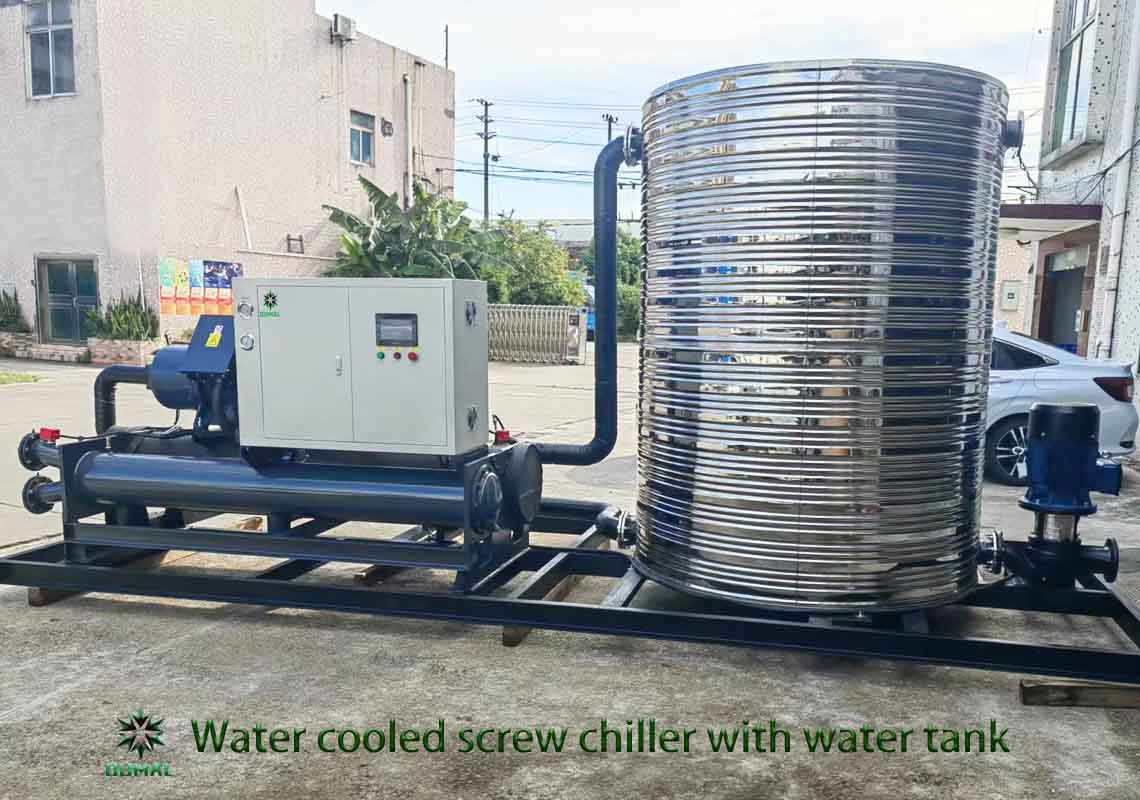
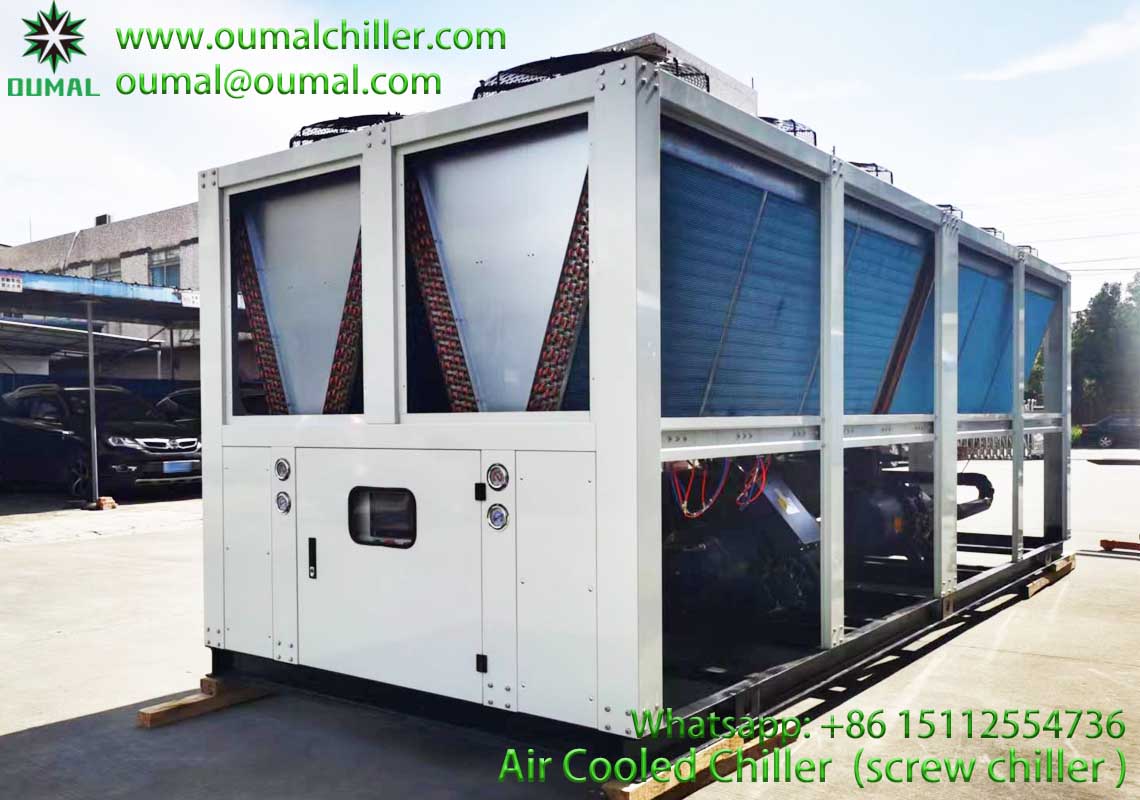
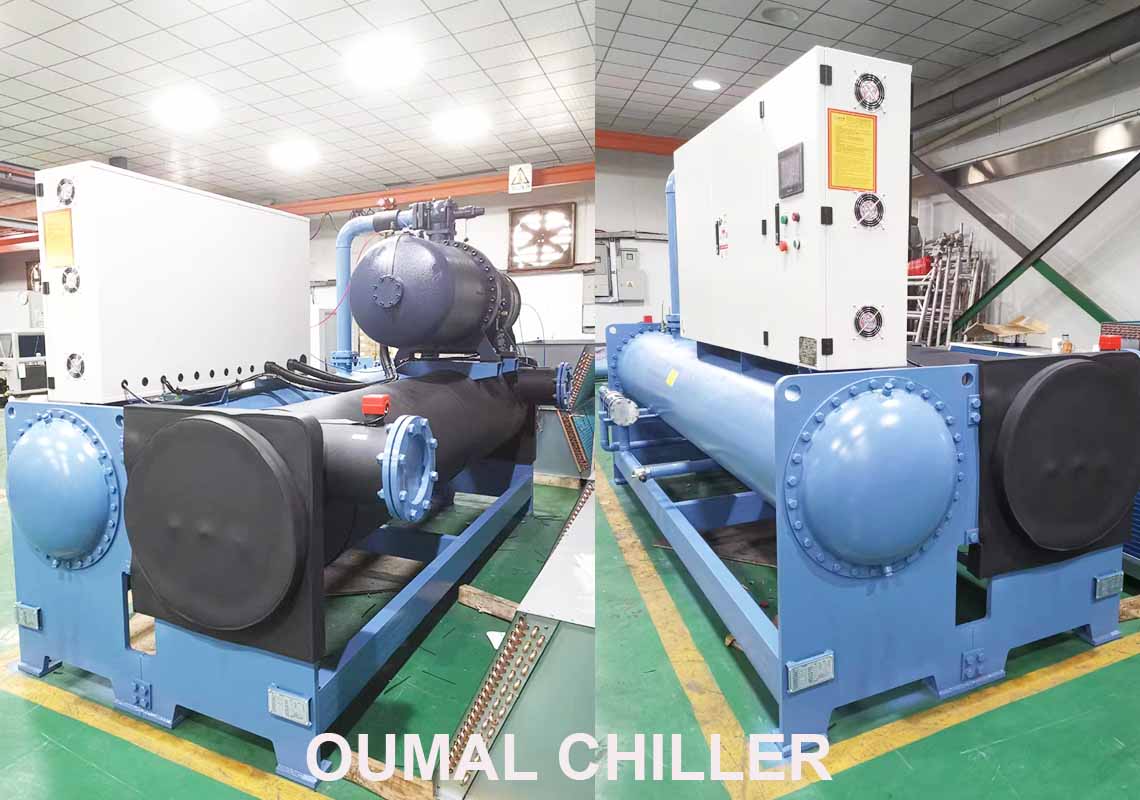
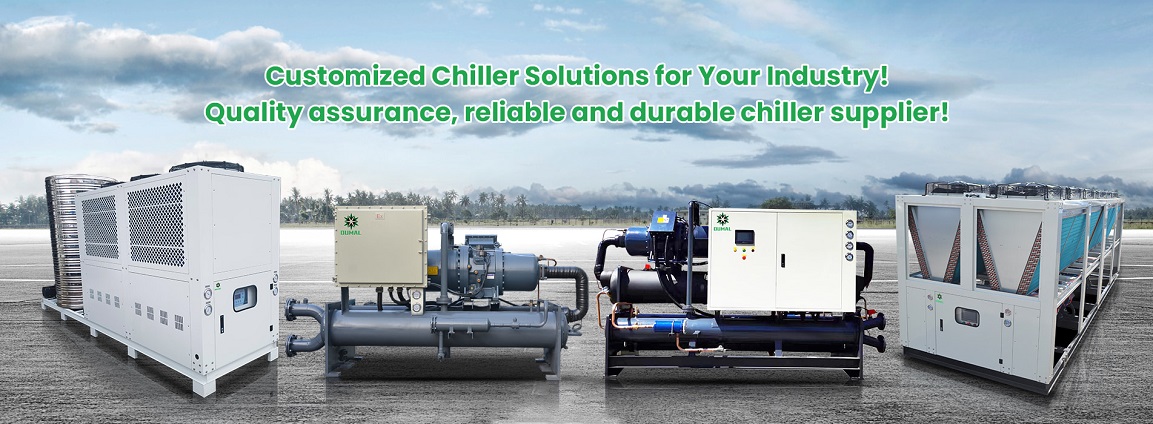
In summary, the applications of chillers in plastic industry production primarily revolve around temperature control and regulation during the plastic processing stage, aiming to enhance production efficiency, product quality, and equipment stability. The Air cooled chiller is widely used in the plastic industry. Also if the cooling water flow is big, we can use an air cooled screw chiller or water cooled screw chiller. When many machines need to be cool, but we use one central chiller to supply cooling water, the screw chiller is a good choice. We will help to make the best solution for your cooling water system. Contact us to chose your right chiller. WhatsApp: +86 15112554736.
More dust and poor water quality in the chiller environment will affect the normal operation of the equipment, and even lead to downtime. In order to increase the operating power of the chiller, it is necessary to create high-quality conditions for use and effectively maintain the operating power of the air-cooled chiller.
When using the chiller, if there is a lot of dust and other problems in the environment during the operation of the equipment, the normal operation of the equipment will be affected after the equipment enters the water-cooled chiller. In order to prevent the chiller equipment from being affected by dust in the environment and a large amount of scale due to long-term lack of maintenance, companies need to conduct professional inspections on chillers on a regular basis.
A layer of solid or ooze builds up, called fouling, which adds additional fouling thermal and flow resistance, increasing required heat transfer area, power consumption and maintenance cleaning costs. Due to the large number and wide range of heat exchangers, the fouling of heat exchangers has a great impact on one-time investment, metal material consumption and energy consumption. In today's emphasis on energy saving and emission reduction, it is particularly important to minimize the impact of dirt.
During the operation of the water-cooled screw chiller, on the water side of the heat exchange equipment, especially in the condenser of the open circulating cooling water system, there are slightly water-soluble or water-insoluble minerals, such as calcium carbonate, calcium sulfate, silicic acid Calcium, iron oxide, phosphate, etc. Adhering to the inner surface of the heat transfer tube to form scale; dust, silt, algae, microbial communities and even leaves, weeds, etc. The sediment mixed into the water is deposited on the inner surface of the heat transfer tube, forming sludge. Fouling on the water side mainly includes scale and sludge. Fouling increases the heat transfer resistance of the heat transfer surface, directly affects the heat transfer effect, increases the condensation temperature or reduces the evaporation temperature, resulting in increased energy consumption and reduced cooling capacity of the refrigerator. The thickening of the scale layer reduces the cross-sectional area of the flow in the heat transfer tube, increases the water flow velocity and the roughness of the tube wall, leads to an increase in the flow resistance on the water side, and increases the power consumed by the pump.
The accumulation of dirt will also cause local corrosion or even perforation of the heat exchange surface, which seriously threatens the safe operation and service life of the water-cooled chiller. In the heat exchanger design of water-cooled chillers, the presence of dirt increases the heat transfer resistance, reduces the overall heat transfer coefficient of the heat transfer tube, and increases the energy consumption of the compressor. Therefore, it is necessary to compensate for the reduction of the overall heat transfer coefficient by increasing the heat transfer area to ensure sufficient heat transfer. The correct choice of fouling factor has a great influence on the cost, energy consumption and operation cost of heat exchange equipment. Unfortunately, despite ongoing scientific research on fouling, to date there is no generally accepted value for the fouling factor that can be accurately used in heat exchanger design.
In the design of heat exchangers, the choice of fouling factor is often based on experience rather than science. Based on operating experience with a particular system under the same or similar operating conditions, or based on measurement data obtained from actual equipment under the same operating conditions, or based on test data obtained from testing with prototype or model equipment in the laboratory, or using the recommendations of authoritative institutions It is reasonable to estimate the data.
In order to avoid similar failures of chillers, it is necessary to complete the treatment of water sources and environmental dust in time. It can provide a comfortable environment for the chiller, and pay attention to the maintenance of the chiller. Even if the enterprise runs the chiller for a long time without any rest time, the equipment can also maintain stable operating performance and truly achieve the goal of quickly reducing the space temperature.
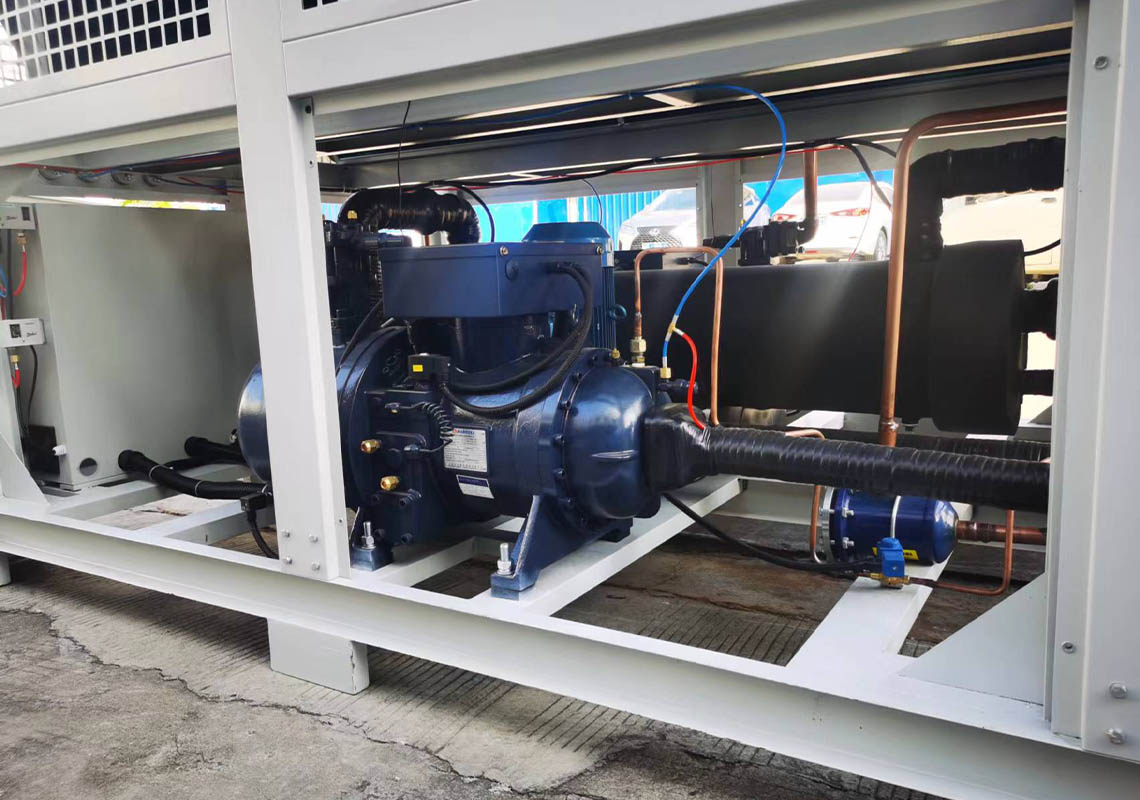
A screw chiller, also known as a screw compressor chiller, is a type of water chiller utilized for cooling applications in various industries, including injection molding. The semi-hermetic screw compressor is the core components of a screw chiller. It operates based on the principle of a rotary screw compressor, which is a positive displacement compressor. The screw compressor consists of two interlocking helical rotors that compress the refrigerant gas to raise its pressure and temperature.
According to different heat dissipation methods, screw chillers are divided into air-cooled screw chillers and water-cooled screw chillers. Under the same cooling capacity requirement, the purchase cost of water-cooled screw chillers is lower than that of air-cooled screw chillers. As far as chiller installation is concerned, air-cooled screw chillers are easier to install.
Here are some key features of a screw chiller:
Cooling capacity: Screw chillers are available in a wide range of cooling capacities to meet the specific requirements of injection molding machines. They can handle high cooling loads efficiently, making them suitable for industrial applications. Oumal screw water chiller cooling capacity from 100kw to 1000kw.
Air cooled screw chiller cooling capacity from 90kw to 600KW.
Energy efficiency: Screw chillers are known for their energy efficiency. They can achieve high cooling capacities while consuming relatively less electrical power compared to other types of chillers.
Temperature control: Screw chillers offer precise temperature control, allowing for stable and consistent cooling of the process water used in injection molding machines. This helps maintain the desired temperature for optimal molding conditions. Oumal screw chillers use Siemens PLC controller. Intelligent control, simple operation.
Reliability and durability: Screw chillers are robust and designed for continuous operation in demanding industrial environments. They are built with durable components and feature advanced control systems to ensure reliable and trouble-free performance.
Modular design: Many screw chillers have a modular design, which allows for easy scalability and flexibility. This means that multiple units can be combined to provide higher cooling capacity if needed, making them suitable for expanding operations or varying cooling requirements.
Advanced control options: Screw chillers often come with advanced control options, such as microprocessor-based controllers or touch screen interfaces. These controls provide intuitive operation, real-time monitoring, and the ability to set and adjust various parameters for optimal performance and energy savings.
Noise reduction: Screw chillers are designed with noise reduction features to minimize the operating noise levels. This is important in industrial settings where noise can be a concern.
Overall, screw chillers offer efficient and reliable cooling solutions for injection molding machines, helping to maintain consistent process temperatures and optimize the production of high-quality plastic parts.
Water-cooled chillers are essential for maintaining optimal temperatures in various industrial and commercial settings. When choosing a chiller, understanding its efficiency ratings is crucial. Chiller efficiency ratings are standardized metrics used to measure the energy efficiency of chillers. Here are three common efficiency ratings:
Seasonal Energy Efficiency Ratio (SEER): SEER is typically used to measure the energy efficiency of air conditioning and heat pump systems. It represents the cooling output of a chiller during a typical cooling season (in British thermal units or BTUs) divided by the energy consumed in watt-hours. SEER takes into account the varying operating conditions throughout the cooling season, including part-load conditions.
Energy Efficiency Ratio (EER): EER is another metric used to evaluate the energy efficiency of chillers, similar to SEER. It represents the cooling output in BTUs divided by the electrical power input in watts under standard rating conditions. Unlike SEER, EER is measured at a specific operating condition, typically at 100% load capacity.
Coefficient of Performance (COP): COP is a measure of the ratio between the cooling or heating output of a chiller and the energy input. For cooling applications, COP is the ratio of cooling output in BTUs to the energy input in watt-hours. A higher COP indicates a more energy-efficient chiller since it produces more cooling per unit of energy consumed.
It's important to note that the specific definitions, calculation methods, and rating conditions may vary depending on regional standards and regulations. When comparing chillers, it is advisable to consider the appropriate efficiency rating for your specific application and region.
It's worth mentioning that SEER and EER are commonly used for air-cooled chillers, while COP is often used for water-cooled chillers.It should be noted that the energy efficiency ratio of a chiller is affected by operating conditions, ambient temperature, cooling load, and the manufacturer's technology and design level. When choosing a chiller, in addition to the energy efficiency ratio, other factors such as cooling capacity, control accuracy, reliability, and maintenance requirements should also be considered comprehensively to meet specific application needs.
The importance of traditional industries in our lives is becoming more and more obvious, and the importance of related equipment that assists traditional processing industries is also becoming more and more obvious. Air-cooled chillers have become an indispensable presence in the plastics processing industry. An excellent chiller can greatly improve the surface finish of the plastic products we see now, and can also greatly reduce the probability of marks, textures and internal stress on the surface of plastic products, ensuring that the plastic products that reach consumers will not shrink or appear. In the case of deformation, choosing an air-cooled chiller can also help more convenient demoulding and product molding when processing plastic products, which greatly improves the production efficiency and product quality of the industry. Air-cooled chillers have become an indispensable refrigeration auxiliary equipment for manufacturers in the plastics industry.
Therefore, the normal operation of the industrial chiller is very important, and the lack of refrigerant will affect the cooling effect of the chiller. Air cooling is the cause of insufficient refrigerant in the chiller.
1. The newly installed chiller is not filled with refrigerant as required.
2. The air tightness of the system is not good, resulting in refrigerant leakage.
3. Improper operation and maintenance may lead to refrigerant leakage.
Insufficient refrigerant in an industrial chiller can lead to several harmful consequences, including:
Reduced cooling capacity: The refrigerant is responsible for absorbing heat from the process fluid and transferring it to the environment. If there is not enough refrigerant, the cooling capacity of the chiller will be reduced, leading to higher process fluid temperatures and decreased efficiency.
Increased energy consumption: When the chiller is not operating at full capacity, it may need to run for longer periods to maintain the required temperature, resulting in higher energy consumption and increased operating costs.
Component failure: Running an industrial chiller with insufficient refrigerant can cause the compressor to overheat and eventually fail. This can result in costly repairs and extended downtime.
Reduced lifespan: Operating an industrial chiller with insufficient refrigerant can cause excessive wear and tear on the system's components, reducing its lifespan and requiring more frequent maintenance.
Safety hazards: Low refrigerant levels can cause the chiller to operate at higher pressures, which can create safety hazards for workers and potentially lead to equipment damage or failure.
Overall, insufficient refrigerant can have significant negative impacts on the performance, efficiency, and safety of an industrial chiller. It is crucial to ensure that the chiller is properly maintained and that refrigerant levels are regularly checked and adjusted as needed.
Water-cooled chiller is a cooling water device that can provide constant temperature, constant current and constant pressure. A chiller is a machine that achieves refrigeration through vapor compression or absorption cycles. These liquids can flow through heat exchangers to cool the air or equipment. The industrial chiller can always output ice water with a lower temperature than the ambient temperature. It can be used wherever cooling is required, either direct cooling or indirect heat exchange. The main components of a water-cooled chiller are compressor, condenser, evaporator, water pump, and water tank.
Chillers have a wide range of applications. The chiller can be used to cool the injection mold, improve the quality of plastic products, cool the vacuum coating, control the temperature of the vacuum coating machine, cool the food industry, fast cooling processing, chemical industry, effectively control the temperature of chemicals, cooling buildings, concrete fast Cooling and condensation, etc.
According to the application, the chiller can be divided into industrial chiller, screw chiller, electroplating chiller, oxidation chiller, laser chiller, coating chiller, welding professional chiller, ultrasonic chiller, extruder chiller, injection molding chiller Special chiller, chemical chiller, electrophoretic paint chiller, pharmaceutical chiller, food chiller, stainless steel chiller, circuit board chiller, blister chiller, coating chiller, according to the working conditions Divided into air-cooled chillers, water-cooled chillers, low-temperature chillers, constant temperature chillers, etc.
In industrial production, stable process cooling isn’t just a support function — it’s often the difference between smooth operation and costly downtime. At OUMAL Refrigeration Machinery Co., Ltd, we’ve worked with customers across injection molding, extrusion, thermoforming, and more. Over time, one thing has become clear: choosing the right chiller matters.
Not All Cooling Needs Are Created Equal Different industries — even different machines — have very different cooling requirements. For example, a customer running a small injection molding line may only need a compact 8 ton chiller to maintain mold temperatures within a tight range. These chillers are space-efficient and offer precise control, making them a practical choice for localized cooling tasks.
On the other hand, when the scale increases or when multiple machines share a cooling circuit, something like a 15 TR chiller tends to be a better fit. We’ve seen these used successfully in mid-sized production lines where reliability and steady performance are non-negotiable.
For large plants, especially those operating around the clock, a 100 ton water cooled chiller can provide both capacity and energy efficiency. Water-cooled systems require more infrastructure — including cooling towers and proper piping — but in return, they offer stable performance in high ambient environments and over long production runs.
Built for Industry, Backed by Experience What sets OUMAL apart is not just the equipment itself, but the way we build around customer needs. Our manufacturing team can handle a wide range of options and customizations, which means the chiller you receive isn’t off-the-shelf — it’s made to work the way you do.
We’ve served customers in over 20 countries, including the US, Australia, Saudi Arabia, Vietnam, and Brazil. The variety of applications we’ve supported — from blown film to compound mixing — gives us the insight to ask the right questions before making a recommendation. Our goal is always to match cooling performance with process demand, rather than over- or under-sizing.
Long-Term Value Comes from the Right Start One thing we often remind our partners: a properly selected chiller does more than control temperature. It protects your equipment, shortens your cycle times, and helps maintain product consistency. That’s especially important in processes where a few degrees can mean the difference between a good batch and scrap.
Whether you’re starting with a single machine or upgrading an entire line, OUMAL is ready to help you choose wisely — whether that’s an 8 ton, 15 TR, or 100 ton water cooled chiller.
When someone new joins our engineering team, one of the first questions they usually ask is: “So what’s the difference between air cooled and water cooled chillers—and which one’s better?”
It’s a good question. And after installing, maintaining, and even troubleshooting both systems in dozens of customer factories, here’s how we usually explain it.
Let’s Start with the Basics
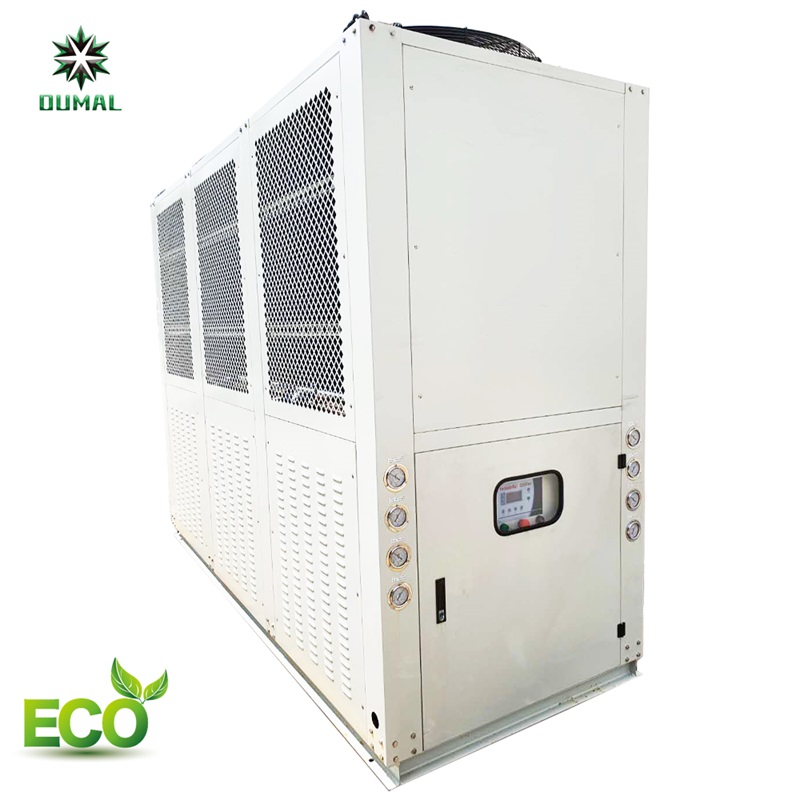
An air cooled chiller is essentially a cooling unit that uses ambient air to remove heat from a circulating liquid—usually water or a water-glycol mix. It's often used to keep production equipment or buildings at a stable temperature.
There’s no need for a cooling tower or a complex water pipeline. It uses built-in fans to get the job done.
This setup is widely chosen in:
Injection molding plants
Food packaging lines
Laser processing workshops
HVAC systems for commercial buildings
If you’ve got space outside and want to avoid dealing with water quality issues, air cooled is probably the better call.
What’s Inside the Unit?
Rather than listing textbook components, here’s what we see under the cover of atypical air cooled water chiller we ship:
A compressor that acts like the system’s engine
An evaporator that draws heat out of your process water
A condenser with aluminum fins, cooled by strong fans
An expansion valve to adjust refrigerant pressure
A control panel—the brain of the system
Some models include water pumps and tanks. Others are modular—you can connect them to existing infrastructure.
Here’s How It Works (Simplified)
Let’s say you’re using a CNC machine that heats up during operation. Here’s how the air cooled chiller steps in:
The warm water comes back from the CNC.
It enters the evaporator inside the chiller.
The refrigerant in the evaporator absorbs that heat and turns into a gas.
The gas gets compressed—its temperature and pressure rise sharply.
That hot gas goes through the condenser. Fans blow outside air across coils, removing the heat.
The refrigerant turns back into a liquid, and the cycle repeats.
Your machine keeps running cool—and you don’t need a water tower or much operator attention.
Why Do Customers Choose Air Cooled Units from Us?
Some of our long-term clients choose air cooled chiller systems for one reason: they just work. Even without an in-house technician, these systems are straightforward to install, easy to control, and rarely break down when used correctly.
Clients also appreciate that we offer:
Tailored sizing based on actual load
Remote monitoring options
Short lead times, even for custom orders
Reliable after-sales support (yes, even overseas)
As a practical air cooled chiller supplier, we’re not here to sell what’s biggest or most expensive—we help customers find what runs stably for years.
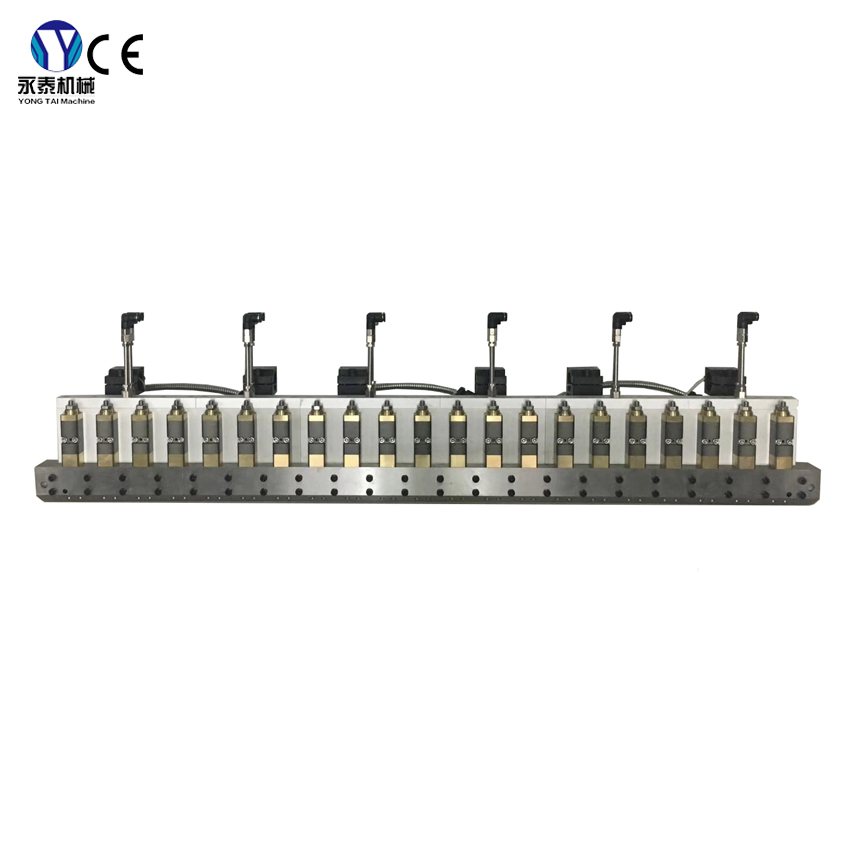
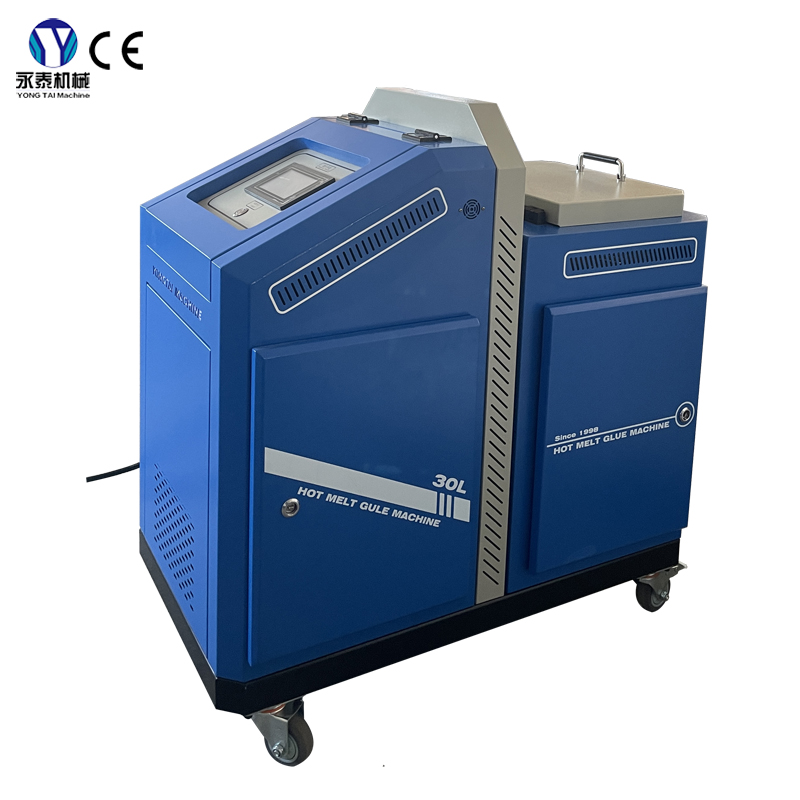
In modern manufacturing, hot melt adhesive is widely used in various industries, including packaging, woodworking, electronics, and automobiles. However, the traditional manual scraping gun method has some inconveniences in large-scale production, such as low production efficiency and high labor costs. In order to overcome these challenges, engineers have developed hot melt adhesive automatic scraping gun technology, providing companies with a tool to improve efficiency and reduce costs.
Limitations of traditional manual scraper guns
In traditional hot melt adhesive applications, workers need to manually bring the hot melt adhesive gun close to the target surface and manually control the spraying and scraping process of the hot melt adhesive. This method has several disadvantages. First, the manual scraper gun needs to be repeatedly positioned and controlled, and the errors caused by this are difficult to avoid, resulting in uneven coating and unstable quality. Second, long-term use of manual scrapers can easily cause worker fatigue and reduce worker work efficiency. In addition, manual scrapers also cause waste of hot melt adhesive because operators often find it difficult to accurately control the amount of hot melt adhesive used.
Advantages of hot melt adhesive automatic scraper
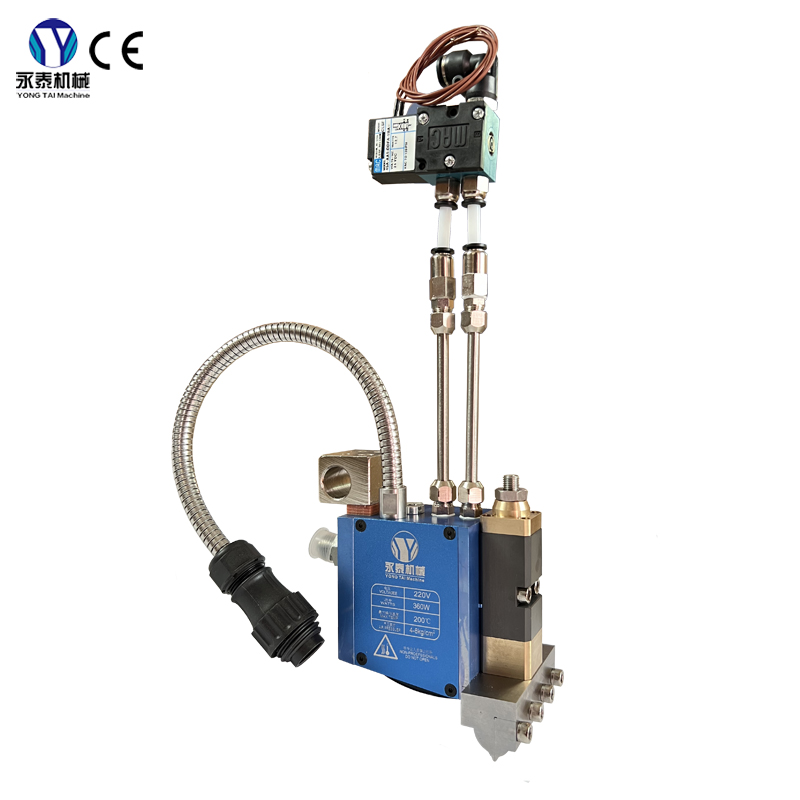
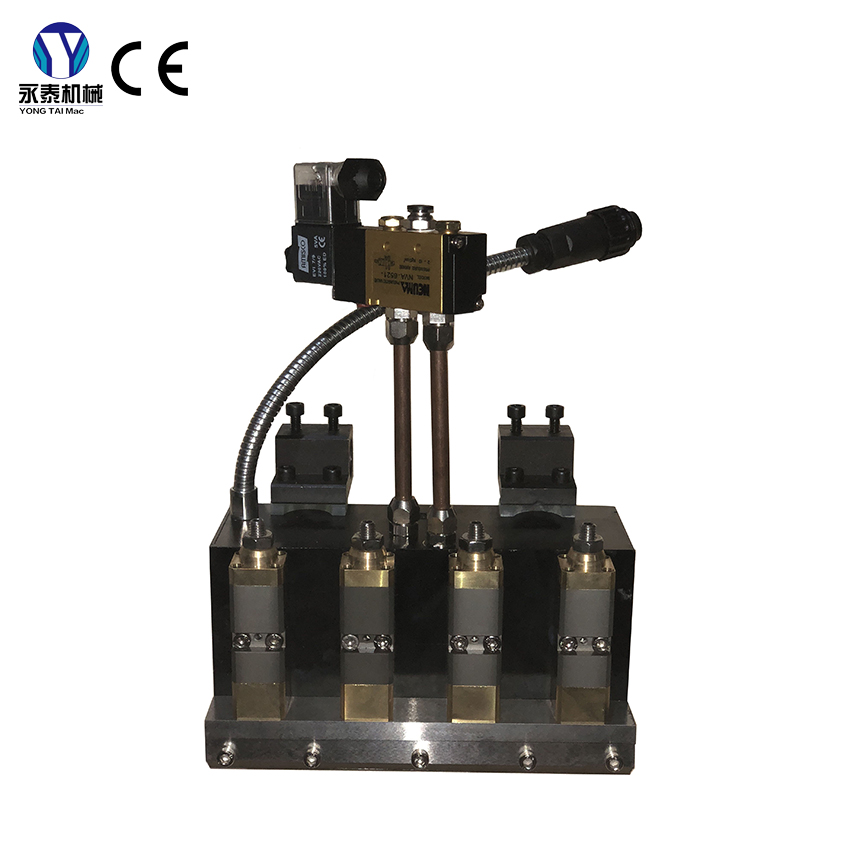
In order to solve the problems of traditional manual scraper, automation technology is gradually applied to the hot melt adhesive field. The hot melt adhesive automatic scraper system consists of a coater, a sensor and a control system. The coater can spray the hot melt adhesive evenly onto the target surface through precise control. At the same time, the sensor can monitor the shape and state of the target surface and automatically adjust the height and speed of the scraper to ensure the consistency and accuracy of the coating. The control system can realize the automated hot melt adhesive scraper process according to the preset parameters and process requirements.
Application fields of hot melt adhesive automatic scraper
Hot melt adhesive automatic scraper technology has been widely used in many industries. In the packaging field, it is used in carton sealing, bag sealing, tape bonding and other links to improve production speed and quality stability. In the woodworking industry, hot melt adhesive automatic scraper can be used in furniture manufacturing, board bonding and other processes to improve production efficiency and product quality. In the electronics industry, automatic scrapers can be used in circuit board assembly, component packaging and other processes to improve work efficiency and reliability. In the automotive manufacturing field, hot melt adhesive automatic scraper can be used in body sealing, interior bonding and other processes to improve bonding effect and product reliability.
The application of hot melt adhesive automatic scraper technology has brought great benefits to all walks of life. It can improve production efficiency, reduce labor costs, ensure the consistency of coating quality, and reduce the waste of hot melt adhesive. With the continuous development of automation technology, hot melt adhesive automatic scraper will be used in a wider range of fields and continue to create greater economic benefits and development opportunities for enterprises.
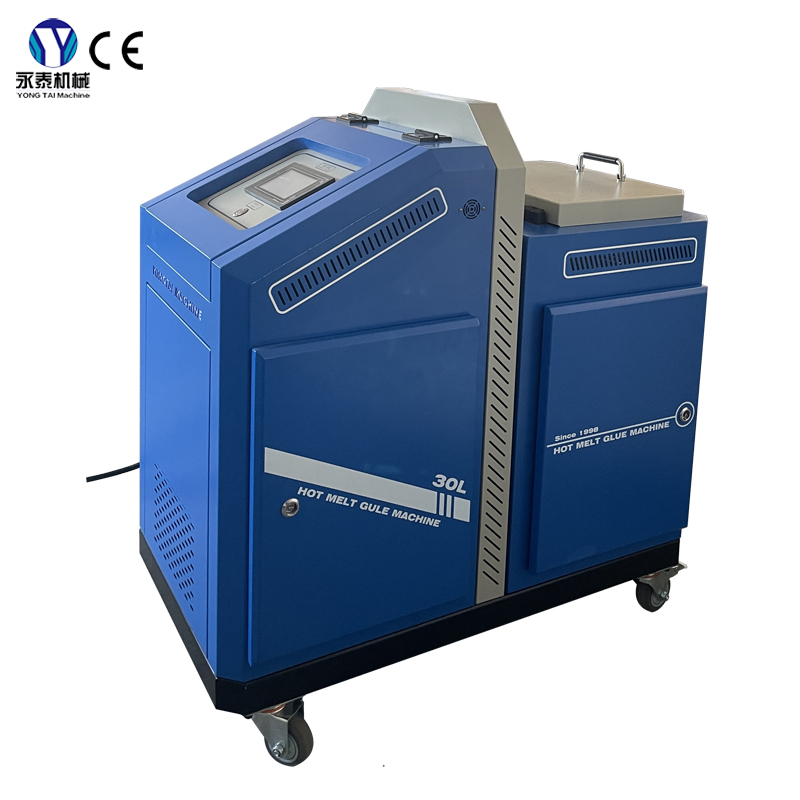
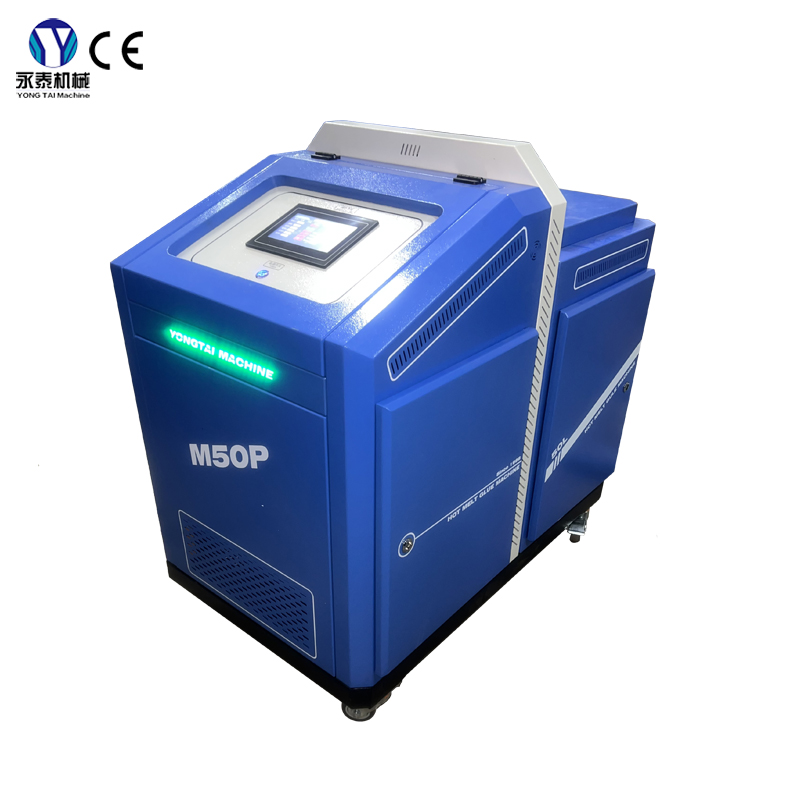
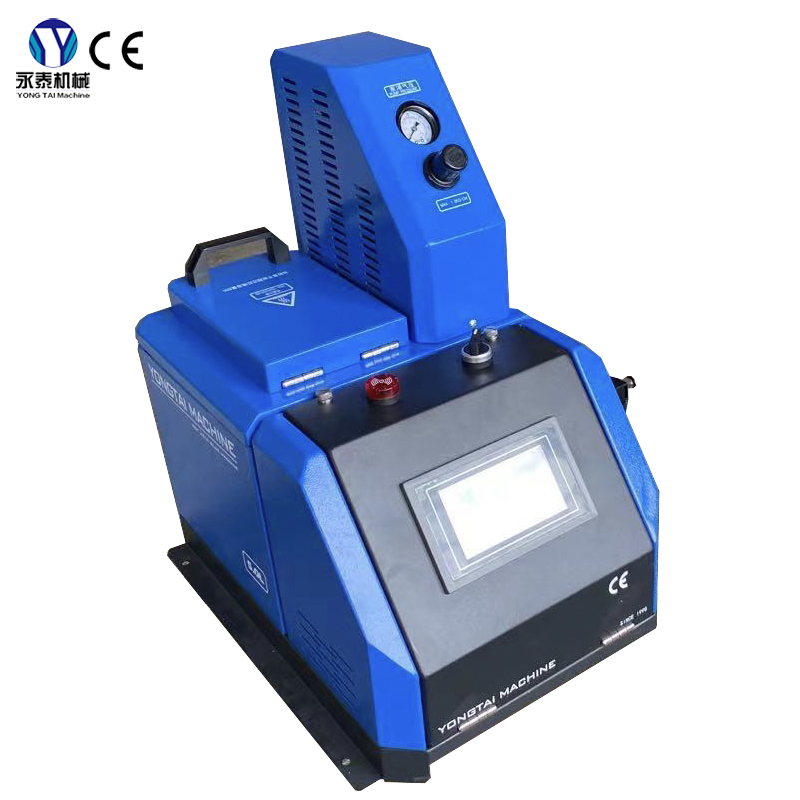
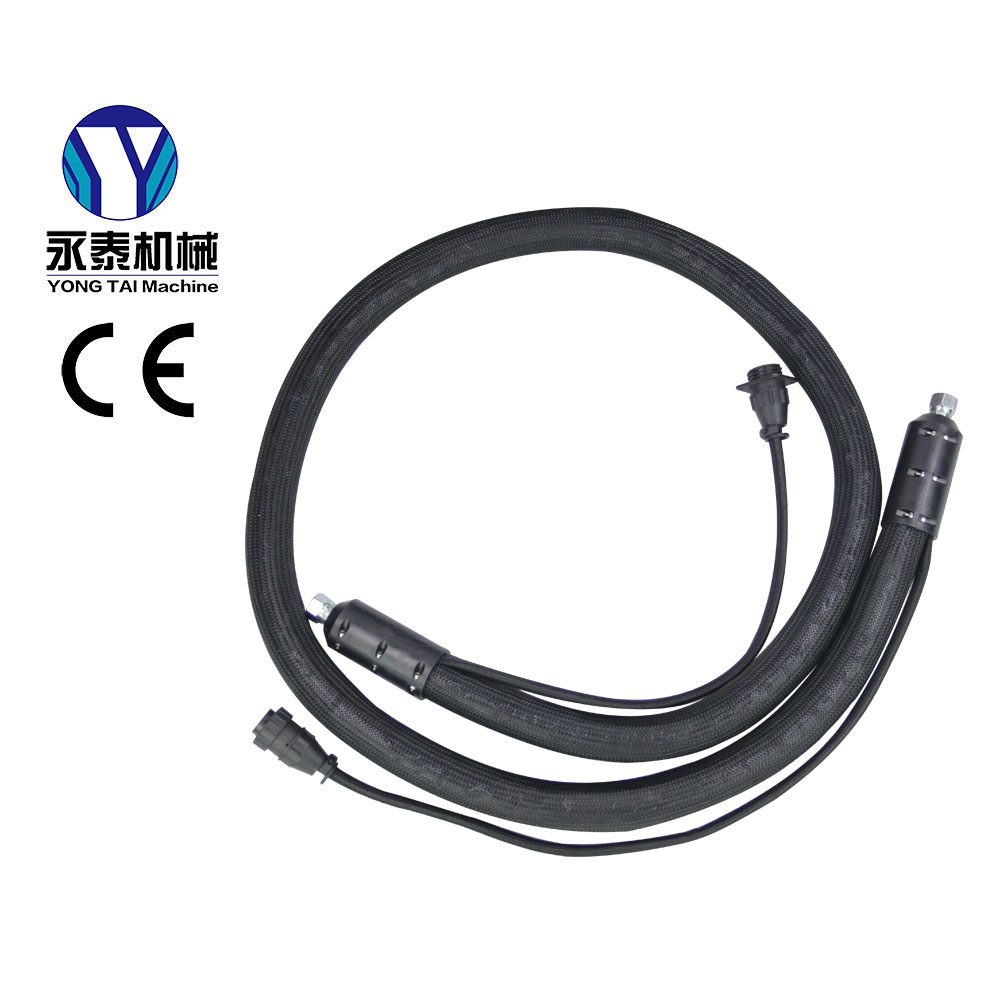
As an efficient and convenient bonding equipment, hot melt adhesive machine is widely used in packaging, textile, automobile manufacturing and other fields. However, in actual use, hot melt adhesive machine often encounters a thorny problem - carbonization. The generation of carbonization not only affects the normal operation of the equipment, but may also lead to product quality degradation or even equipment damage. Therefore, understanding how to effectively prevent carbonization, the impact of carbonization on use, and the correct treatment method after carbonization is crucial to ensure the stability of the hot melt adhesive machine and extend its service life.
Carbonization is mainly caused by the following factors:
· Too high temperature: Hot melt adhesive needs to melt at a certain temperature, but if the temperature is set too high or the equipment is in a high temperature state for a long time, it will cause the colloid to decompose.
· Too long residence time: The hot melt adhesive stays in the heating system for too long and fails to be discharged in time, which is prone to oxidation and decomposition.
· Air ingress: If the equipment is not well sealed, oxygen in the air enters the adhesive tank or pipe, which will accelerate the oxidation reaction of the colloid.
· Material problem: Some types of hot melt adhesives are sensitive to high temperatures and are more prone to carbonization.
· Equipment aging: Hot melt adhesive machines that have been used for a long time may have problems such as aging of heating elements and failure of temperature control systems, which may lead to abnormal temperature increases.
In order to reduce the occurrence of carbonization of hot melt adhesive machines, the following are some practical preventive measures:
1. Reasonable temperature control
· Set the appropriate heating temperature according to the type of hot melt adhesive used. It is generally recommended to control the temperature at the lower limit of the recommended range to reduce the risk of colloid decomposition.
· Regularly check whether the temperature control system is accurate to avoid abnormal temperature rise due to equipment failure.
2. Shorten the residence time of colloid
· During the production process, minimize the residence time of hot melt adhesive in the heating system. The production process can be optimized to speed up the flow rate of colloid and reduce the time the colloid is exposed to high temperature.
· If the equipment is out of use for a long time, the residual colloid in the glue tank and pipeline should be cleaned in time to avoid carbonization due to long-term standing.
3. Maintain the tightness of the equipment
· Ensure that the hot melt adhesive machine's adhesive tank, pipes, nozzles and other parts are well sealed to prevent air from entering and contacting the adhesive.
· For open-design equipment, consider installing a dust cover or using an inert gas (such as nitrogen) for protection to reduce the occurrence of oxidation reactions.
4. Regularly maintain the equipment
· Regularly check the heating elements, temperature control system and pipe connections of the hot melt adhesive machine to ensure that the equipment is operating normally.
· When cleaning the adhesive tank and pipes, the residual colloid should be thoroughly removed to avoid excessive accumulation and carbonization.
5. Choose high-quality hot melt adhesive
· Different types of hot melt adhesives have different tolerance to high temperatures. It is recommended to choose products with good stability and anti-aging properties.
· When changing the brand or model of hot melt adhesive, be sure to test it first to ensure that it is compatible with the existing equipment.
6. Pay attention to the frequency of adding glue
·During the production process, hot melt glue should be added in an appropriate amount according to actual needs to avoid adding too much glue at one time, which will cause some glue to be carbonized due to long-term non-use.
Once carbonization is found in the hot melt adhesive machine, the following steps should be taken in time to deal with it:
1. Stop the equipment immediately
·When carbonization is detected, the hot melt adhesive machine should be turned off immediately and the heating operation should be stopped to prevent further carbonization.
·Cut off the power supply and wait for the equipment to cool down completely before proceeding with the subsequent operation
2. Clean carbides
· Use special tools or chemical cleaning agents to remove carbides on the adhesive tank, pipes and nozzles.
Common cleaning methods include:
o Mechanical cleaning: Use scrapers, brushes and other tools to manually remove carbides, which is suitable for mild carbonization. o Chemical cleaning: Select a cleaning agent suitable for hot melt adhesive materials (such as professional adhesive remover), inject it into the equipment and soak it for a period of time, and rinse it with clean water after the carbides soften.
o High temperature burning: For stubborn carbides, high temperature burning can be used for cleaning, but it is necessary to control the temperature to avoid damaging equipment components.
3. Check the equipment condition
· After cleaning, carefully check whether there is wear or damage to the glue tank, pipes and nozzles. If necessary, replace damaged parts in time to ensure the normal operation of the equipment.
· Check the performance of the heating elements and temperature control system to ensure that they are working properly.
4. Recalibrate the temperature setting
· Before restarting the equipment, recalibrate the temperature setting to ensure that it meets the requirements for the use of hot melt adhesive.
· Perform a trial run to observe whether the equipment is operating normally and whether the glue flows out evenly.
5. Strengthen daily maintenance
· Analyze the causes of carbonization problems that have occurred and formulate improvement measures to avoid similar situations from happening again.
· Strengthen the daily maintenance of equipment, clean the rubber tank and pipelines regularly, and ensure that the equipment is always in good condition.