A Practical Guide for Stone Fabricators and CNC Buyers
When choosing a spindle for a high precision stone CNC machine, one of the most critical decisions is water cooling vs air cooling. This choice directly affects cutting performance, machine lifespan, maintenance cost, and suitability for different working environments.
In this guide, we go beyond general descriptions and provide real-world comparisons, application scenarios, and answers to common buyer questions—helping both engineers and buyers make confident decisions.
What Is a CNC Spindle and Why Cooling Matters?
The spindle is the core component of any stone CNC machine. It drives the cutting tool at high speed, often operating under:
- Heavy load (granite, quartz, marble)
- Continuous working hours (8–24 hours/day)
- Dusty and high-temperature environments
Without proper cooling, spindle temperature can exceed 70–100°C, leading to:
- Reduced machining accuracy
- Faster bearing wear
- Unexpected downtime
That’s why cooling method = performance stability.
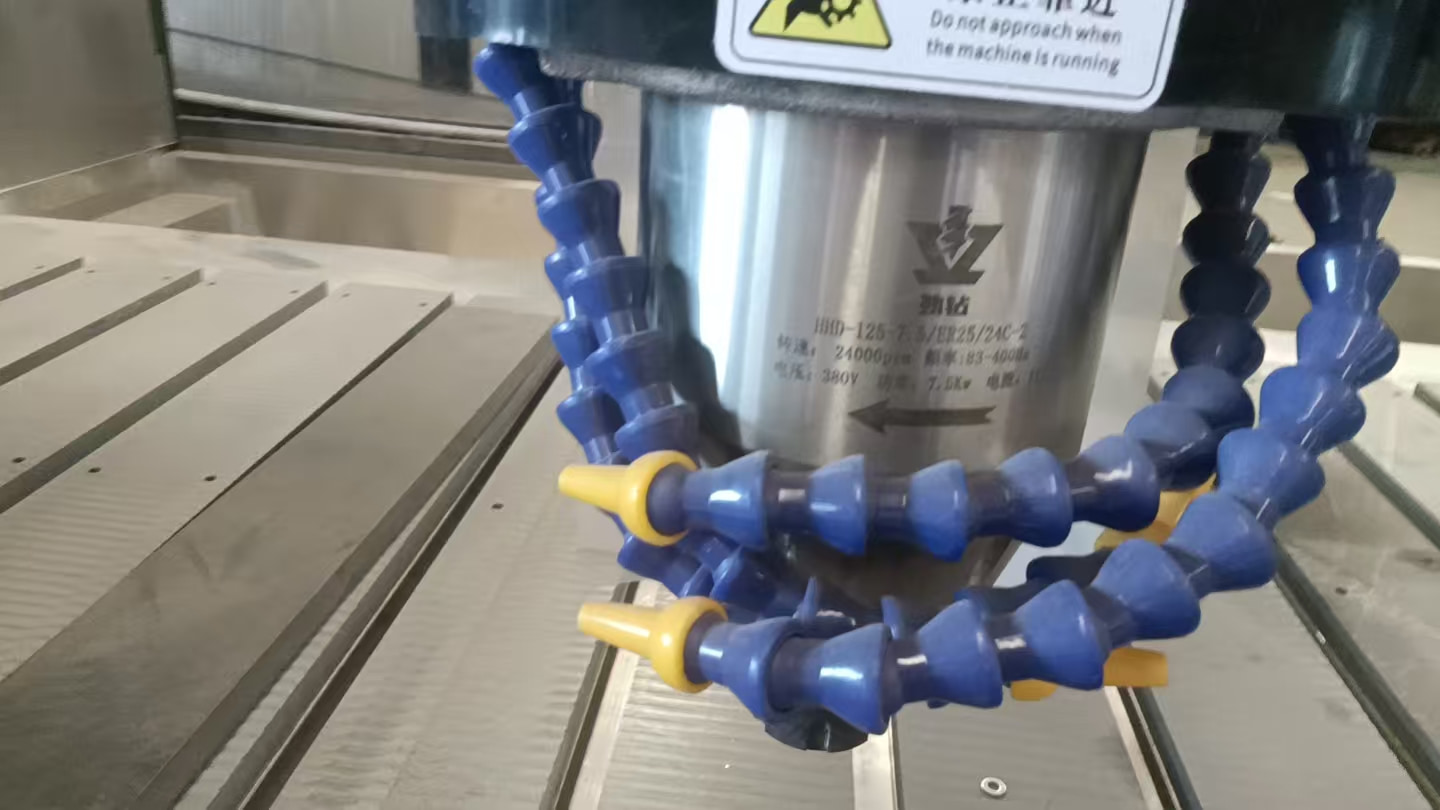
Water Cooling Spindles: Stable Performance for Precision Work
How It Works:
Water cooling spindles use a closed-loop water circulation system (water pump + tank or industrial chiller) to dissipate heat.
Real Application Scenario:
In a quartz countertop factory running 12-hour continuous polishing and engraving, a water cooling spindle can:
- Maintain spindle temperature at 25–35°C
- Keep machining accuracy within ±0.01–0.02 mm
- Run continuously for 72 hours without overheating shutdown
This makes it ideal for high-precision, long-duration operations.
Advantages:
- Superior cooling efficiency → stable under heavy loads
- Lower noise → ideal for indoor workshops
- Higher precision consistency
- Longer spindle lifespan (bearings wear slower)
Limitations:
- Requires water pump or chiller system
- Slightly more complex installation
- Risk of freezing in cold environments (if not protected)
Air Cooling Spindles: Simplicity and Durability
How It Works:
Air cooling spindles rely on built-in fans to dissipate heat directly into the air.
Real Application Scenario:
In an outdoor stone processing site with high dust and unstable water supply, an air cooling spindle:
- Operates reliably without external cooling devices
- Handles rough cutting of granite slabs (thickness 30–80mm)
- Requires minimal setup and maintenance
Advantages:
- Simple structure → no external cooling system
- Easy installation and maintenance
- Better suited for dusty or outdoor environments
- No risk of water leakage
Limitations:
- Cooling efficiency is lower than water cooling
- Generates more noise
- Temperature can reach 50–70°C under heavy load, affecting long-term precision
Water Cooling vs Air Cooling: Direct Comparison
| Feature | Water Cooling Spindle | Air Cooling Spindle |
|---|---|---|
| Cooling Efficiency | Excellent (liquid cooling) | Moderate (air flow) |
| Noise Level | Low | Higher |
| Precision Stability | Very high | Medium |
| Maintenance | Moderate (water system) | Very easy |
| Working Environment | Indoor, controlled | Outdoor, dusty |
| Continuous Operation | 24/7 stable | Better for intermittent |
| Cost | Slightly higher | More economical |
How to Choose the Right Spindle for Your Application
Choose Water Cooling If:
- You process quartz, marble, or artificial stone with high precision
- Your machine runs more than 8 hours/day
- You require fine engraving, polishing, or 3D carving
- Your workshop is indoor with stable infrastructure
Choose Air Cooling If:
- You mainly do rough cutting or shaping
- Your environment is dusty or outdoor
- You prefer low maintenance and quick installation
- Budget is a key concern
How to Identify a High-Quality Spindle Supplier
Before purchasing, buyers often ask: “How do I know if this spindle is reliable?”
Here are practical evaluation criteria:
- Bearing brand and grade (e.g., ceramic vs standard bearings)
- Actual test data (temperature, noise, vibration under load)
- Continuous operation proof (e.g., 48–72h testing reports)
- After-sales support (remote guidance, spare parts availability)
A reliable supplier will provide real test videos, factory inspection support, and clear technical parameters—not just generic claims.
Frequently Asked Questions (FAQ)
1. Which spindle lasts longer?
Water cooling spindles generally have a longer lifespan, because stable temperature reduces bearing wear.
2. Is water cooling difficult to maintain?
Not really. With a proper system:
- Replace water every 1–2 months
- Ensure clean circulation
Industrial chillers can further reduce maintenance effort.
3. Can air cooling handle granite cutting?
Yes, especially for rough cutting and profiling. However, for fine engraving, water cooling performs better.
4. Which is better for hot climates?
Water cooling is more stable, especially when ambient temperature exceeds 30°C.
5. What about cost difference?
Air cooling spindles are typically 10–20% cheaper, but water cooling may reduce long-term maintenance and replacement costs.
Final Thoughts
There is no “one-size-fits-all” answer. The best spindle depends on your:
- Material type
- Working hours
- Precision requirements
- Factory environment
Water cooling = precision + long-term stability
Air cooling = simplicity + flexibility
About Us
As a professional manufacturer of stone CNC machines, we have delivered equipment to customers in over 40 countries. Our machines are tested under real production conditions, including:
- Continuous operation testing
- High-load stone cutting
- On-site installation and training
If you're unsure which spindle fits your project, we can provide customized recommendations based on your materials, drawings, and production goals.