In today’s fast-paced manufacturing industry, companies are constantly looking for ways to increase efficiency, reduce costs and improve product quality.The choice of industrial cooling equipment is a critical factor in achieving these goals, but it is often overlooked.OUMAL Refrigeration Machinery Co., Ltd. leads the way in this field with its development and manufacture of innovative heat transfer products, such as 30 ton air-cooled chillers and 20 ton air-cooled chillers, designed to meet the unique cooling needs of a wide range of industries around the world.
Improve Efficiency with Cooling Solutions from OUMAL
OUMAL understands the needs of industries such as injection molding, thermoforming, blow molding, blown film production, plastic extrusion and compounding.For each application, the right cooling system is critical.By providing energy-efficient process cooling, OUMAL’s chillers not only ensure optimal temperatures, but also improve product quality and reduce production time.Whether you are producing high-quality plastic parts or ensuring a stable mix of composite materials, OUMAL’s chillers provide reliable and precise support for your production process.
Customized Solutions for Every Need
Flexibility is at the heart of OUMAL’s mission.OUMAL focuses on customer satisfaction and offers a wide range of customization options, and its 30 ton air-cooled chiller and20 ton air-cooled chillerare just the beginning.OUMAL’s manufacturing facility is fully equipped to produce high-quality products and offers a wide range of modifications and options.Whether you need a system with unique specifications or a modification to your specific application, OUMAL has you covered.
In addition to improving productivity, OUMAL chillers are designed with energy efficiency in mind.With energy costs rising, investing in a high-quality, energy-efficient chiller is a smart move for long-term profitability.OUMAL’s products help companies reduce operating costs while maintaining the high performance required for critical industrial applications.
OUMAL’s commitment to innovation, customer-centric solutions and flexibility sets it apart in the industry.Over the years, their sales and application support teams have developed a deep understanding of the needs of a wide range of industries and can provide expert advice for almost any application.Whether you want to optimize your injection molding process or increase the efficiency of thermoforming, the OUMAL team is ready to recommend the most suitable chiller to meet your needs.
When it comes to industrial cooling solutions, OUMAL Refrigeration Machinery Co., Ltd. is your trusted and innovative partner.Its Air-Cooled Chillers series, including 30 ton Air-Cooled Chillers and 20 ton Air-Cooled Chillers, provide the efficiency, customization, and performance you need to take your business to the next level.With OUMAL, you are investing in more than just a product, but a solution that can shorten production time, reduce costs, and improve the overall quality of your products.
Choose OUMAL as your next industrial cooling solution and experience the difference that innovative, energy-saving technology can make.
Troubleshooting Water Cooled Screw Chillers: Common Faults and Fixes
You might have high-pressure trips, refrigerant leaks, or compressor overload when using a water cooled screw chiller. Fast troubleshooting helps lower downtime and expensive repairs. Regular checks and preventive maintenance help find problems early. Knowing your water cooled chiller well helps you see issues before they get worse.
High pressure alarms can happen in your water cooled screw chiller. Air or other gases in the system can cause this. Too much refrigerant or a dirty condenser can also be the reason. If the cooling water is too warm, pressure goes up fast. Low water flow makes pressure rise too. Dirt in pipes or a broken water pump can cause high pressure faults. To fix these, clean the condenser and check water flow. Adjust the refrigerant level if needed.
Tip:If you see high pressure, always look for dirt on the condenser surface.
Low Pressure
Low pressure is another problem you might see. This can happen if there is not enough refrigerant or if there is a leak. Cold weather can make water and oil colder, causing low pressure alarms. Blocked filters or pipes can also lead to this. A bad expansion valve or electrical relay can be the cause too. Check for leaks and clean the filters. Make sure all valves are working right.
Water Flow Loss
Water flow loss is a common fault in water cooled chillers. This happens if the water pump stops or pipes get blocked. Air in the system can also cause it. Low water flow can make the chiller shut down or work poorly. Always check pumps and pipes for blockages or leaks.
Refrigerant Leaks
Refrigerant leaks are serious in water cooled screw chillers. Leaks make cooling worse and use more energy. Some refrigerants can hurt the environment if they escape. Check for leaks often and fix them fast. This helps avoid high costs and protects the environment.
Oil System Issues
Oil system issues can harm your chiller. Oil leaks, dirty oil, low oil pressure, or hot oil are common faults. These problems lower lubrication and can make the compressor overheat or wear out. Check oil levels often and change oil when needed. Clean or replace oil filters as well.
Electrical Problems
Electrical problems often cause chiller faults. Loose wires, bad relays, or blown fuses can stop the chiller. If your chiller will not start, check the electrical panel first. Make sure all wires are tight and replace any broken parts.
Noise and Vibration
Strange noises or vibration can mean mechanical problems. Loose screws, unbalanced fans, or pipes not fixed well can cause rattling or banging. If you hear loud or repeating noises, look for loose parts or debris. Finding these problems early helps stop bigger faults and keeps your chiller working well.
Fault Type
Common Causes of Chiller Problems
Quick Fixes
High Pressure
Dirty condenser, low water flow, air
Clean condenser, check water flow
Low Pressure
Leaks, blockages, cold water
Fix leaks, clean filters
Water Flow Loss
Pump failure, pipe blockage
Inspect pumps, clear blockages
Refrigerant Leaks
Damaged pipes, loose fittings
Repair leaks, recharge refrigerant
Oil System Issues
Low oil, dirty oil, leaks
Change oil, fix leaks
Electrical Problems
Loose wires, bad relays, blown fuses
Tighten wires, replace parts
Noise and Vibration
Loose parts, unbalanced fans, bad mounts
Tighten, balance, secure parts
Chiller Troubleshooting Steps
Troubleshoot Pressure Issues
Pressure problems in your chiller can cause shutdowns or poor cooling. You can follow these steps to find and fix pressure faults:
Check all valves. Make sure refrigerant valves are open. Isolation valves should stay closed unless you need them for repairs.
Look at the water flow. The water pumps must run well. Both the condenser and evaporator need enough water flow to keep the chiller cool.
Inspect the condenser coils. Dirt or debris can block heat transfer and raise pressure.
Watch the condenser fan. The fan should spin in the right direction and work without stopping.
Use the chiller manual. Find alarm codes and follow the troubleshooting methods listed.
If you see high pressure alarms, check for air or non-condensable gases in the system.
Ask a qualified technician to test high pressure switches, contactors, and relays if you cannot find the problem.
Tip:Clean the condenser coils often. This simple step prevents many pressure issues.
Troubleshoot Water Flow
Water flow problems can stop your chiller or make it noisy. Use these troubleshooting methods to restore proper flow:
Read all safety instructions before you start.
Unplug the chiller and drain the water. Remove hoses and tilt the unit to empty it.
Take out the cartridge filter. Soak it in water for two minutes, then put it back.
Check every hose and fitting for air leaks. Use Teflon tape and tighten clamps to stop air from getting in.
Prime the system. Disconnect the water inlet hose, lift it up, and pour water until no bubbles come out of the outlet.
Start the chiller for one minute. Watch for steady water flow and no bubbles. Repeat priming if needed.
You can flush the system with a garden hose to clear air pockets.
Problem
Possible Cause
Recommended Solution
Low water flow
Dirty or clogged filter
Clean or replace the filter
Low water flow
Air lock
Repeat priming steps
Chiller making noise
Air in water line
Check hoses and prime again
Note:Always keep the water level above the inlet and outlet ports. Clean filters and pipes often to avoid clogs.
Troubleshoot Refrigerant Problems
Refrigerant faults can cause poor cooling or strange noises. Follow these troubleshooting methods to find the cause:
Watch for signs like weak cooling, ice on coils, or odd sounds.
Look for leaks or airflow problems around the chiller.
Use manifold gauges to check refrigerant pressures.
Test for leaks with an electronic detector or UV dye.
Inspect the expansion valve for blockages. Make sure superheat settings are correct.
Check the evaporator coil for dirt or ice. Good airflow is important.
Look at the filter drier and pipes for restrictions.
Measure suction and discharge pressures at the compressor. Listen for odd noises.
Check sensor readings. Replace or calibrate sensors if they are wrong.
Do regular maintenance. Clean coils and filters, and check for leaks often.
Safety Alert:Always use the right recovery cylinder for each refrigerant type. Never overfill cylinders. Use EPA-certified tools and keep records of all refrigerant handling.
Troubleshoot Electrical Issues
If your chiller cannot start or stops working, electrical faults may be the cause. Try these troubleshooting methods:
Open the electrical panel and look for loose wires or burned parts.
Check all relays, fuses, and contactors. Replace any that look damaged.
Make sure the power supply is correct and all phases are connected.
Use a multimeter to test voltage and current at key points.
If you find a problem you cannot fix, call a licensed electrician.
Tip:Always close the electrical panel after checks to keep dust and moisture out.
Troubleshoot Noise and Vibration
Strange noises or shaking can mean loose or broken parts. Use these steps to troubleshoot:
Listen for rattling, banging, or humming sounds.
Check all screws, bolts, and mounts. Tighten any that are loose.
Inspect fans and pumps for balance. Replace or repair if needed.
Look at pipes and hoses. Secure them to stop vibration.
If noise continues, ask a technician to check for deeper mechanical issues.
Chiller Troubleshooting Checklist
You can use this checklist for quick chiller troubleshooting. It helps you spot problems early and decide when to call a professional.
Inspect the mechanical room. Keep it clean and safe.
Check the electrical panel. Make sure it is closed and dry.
Look at all pipes for leaks or corrosion.
Read temperature gauges. Compare setpoint, return, supply, and condenser water temperatures.
Watch the chiller run. It should not short cycle or make loud noises.
Test water quality. Look for rust or scale.
Check oil pressure and temperature. Look for oil leaks.
Make sure all wiring is tight and fuses are good.
Use the chiller’s fault codes and self-diagnosis features.
If you find leaks, slow cooling, or loud noise that you cannot fix, call a professional.
Remember:Regular chiller troubleshooting and maintenance keep your water cooled screw chiller running longer and more efficiently.
You can keep your chiller working well with regular care.
Cleaning filters and checking water flow help stop chiller problems.
Checking fan motors and sensors often helps avoid big repairs.
Running tests makes sure your chiller works well.
Maintenance Activity
Approximate Cost
Energy/Operational Savings
Tube Cleaning
$5,000
Saves more than $15,000 on energy each year
Compressor Overhaul
$20,000
Stops $50,000 in lost work time
Taking care of your chiller saves money and helps it last longer. Always use the troubleshooting checklist when you find a problem. If you cannot fix the chiller, call an expert. Regular care and checks help protect your chiller.
10 HP process chillers are special in metal finishing. They give very accurate temperature control and work well every time. Good chillers help keep metal finishing steady. This stops cracks, warping, and other problems. Studies show that controlling temperature makes metal harder and stronger. It also helps the metal bend without breaking. It uses less energy and saves money too. A good industrial process chiller keeps the workplace the same all the time. This makes every finished product better and more exact. Companies use these chillers for tough jobs and to work fast.
Key Takeaways
10 HP process chillers keep metal finishing cool and steady. This stops cracks, warping, and weak metal from happening. These chillers have strong parts like stainless steel tanks and copper coils. These parts help them last a long time and work well. Microcomputer controls keep the temperature just right. This makes products better and saves energy. They do not need much maintenance. They have safety features to protect machines and stop breakdowns. 10 HP chillers are flexible and save energy. They are easy to move and good for many metal finishing jobs.
10 HP Chiller Features
A process chiller is a machine that cools things down in factories. The OUMAL OMC-10A 10 HP chiller is great for metal finishing. It uses air-to-water cooling and has a copper coil that is strong. The tank is made of stainless steel, so it does not rust and keeps water clean. Workers can use the microcomputer control panel to set and check the temperature. This chiller keeps the temperature steady, which is very important for metal finishing.
Note: The OMC-10A model uses good parts like Schneider electrical components. These parts help the chiller stay safe and work well.
The table below lists the main features of 10 HP process chillers used for metal finishing:
Copper coils and stainless steel tanks help the chiller last a long time. These materials stop rust and keep the chiller working well. The OMC-10A chiller can cool with 27 kW (7.7 tons), which fits many metal finishing jobs. It uses about 9.2 kW of power, so it is good for saving energy and cooling.
How Process Chillers Work
Process chillers use a simple cycle to cool things down. First, the refrigerant goes into the evaporator. It takes heat from the process fluid, like the liquid used in metal finishing. The refrigerant turns into a gas. The compressor pushes this gas to a higher pressure and temperature. Then, the gas goes to the condenser. In air-cooled chillers, the condenser lets out the heat into the air, and the gas turns back into a liquid. The liquid goes through an expansion valve, which makes it cooler and lowers the pressure. The cycle starts again.
The refrigerant takes heat from the process fluid in the evaporator.
The compressor makes the refrigerant gas hotter and under more pressure.
The condenser lets out heat to the air, turning the gas into a liquid.
The expansion valve cools the liquid, and the cycle repeats.
Microcomputer controls help keep the temperature steady. They let the chiller keep the water temperature close to the same, usually within ±1°C. This is important for process chillers in metal finishing. The OMC-10A chiller uses these controls to keep things safe and make sure the results are good.
Metal Finishing Cooling Needs
Temperature Control Challenges
Keeping things cool is very important in metal finishing. Jobs like anodizing, plating, and quenching need steady temperatures. If the temperature changes a lot, metal can bend or break. It might also get weaker. Workers have some problems when they try to keep the right temperature:
Some materials, like plastics or MDF panels, can bubble or crack if they get too hot.
Certain parts must stay within a set temperature. If it gets too hot, these parts can bend or break.
Some parts, like refrigerant compressors, need careful heating and cooling.
Metal parts with different thicknesses can heat up unevenly. This makes it hard to keep the whole part at the right temperature.
Big, heavy parts need more heat to process. This can slow down work and cost more money.
A chiller helps by keeping the temperature steady. The 10 HP chiller uses sensors to check for temperature changes during busy times. If the temperature goes up, the chiller sends coolant through heat exchangers to cool things down. When the temperature is right, the system stops sending coolant. This automatic control keeps everything safe and working well.
Application Examples
Keeping the temperature steady helps protect products and machines. Here are some ways bad temperature control can hurt metal finishing:
If the temperature changes, metal can get bigger or smaller. This can cause size mistakes.
High heat can change the metal’s surface or inside. The metal can get softer or weaker.
Too much heat can burn or discolor the metal. It can also cause other surface problems.
Hot conditions can wear out tools faster. Grinding wheels can get damaged too.
Bad temperature control can leave stress in the metal. This can make it bend or break later.
A 10 HP chiller gives the cooling needed to stop these problems. By keeping the temperature in a small range, the chiller helps each job go well. This means better products, less stopping, and longer machine life. Good chillers also help make more products. They help every finished product meet high standards.
Benefits of 10 HP Chillers
Efficiency and Reliability
10 HP chillers save energy and work well in metal finishing. They have special compressors that change speed when needed. This helps keep the temperature steady and uses less energy. Many factories say their energy use drops a lot after using these chillers. The system now uses only about one-third of the energy older chillers used. The pumps also use less power, so more energy is saved.
Factories have fewer problems because the chiller keeps water temperature and pressure steady. This helps protect machines and makes products better.
Chillers with variable-speed compressors do not turn on and off too quickly. This means less stress on the compressor and it lasts longer. Electronic safety features help stop problems before they happen. Soft-start controls help the system start gently and protect the parts. These things make the chiller good for busy factories.
These chillers are small and fit well in crowded places. Wheels make it easy to move them around. The system uses closed water loops, so the water stays clean and needs less care.
Key reliability features include:
Steady temperature for better results
Fewer breakdowns because of safety features
Less waiting because setup is fast and easy
Energy-saving choices that cost less to run
Low Maintenance
10 HP chillers need less care than old ones. Most need a check-up once a year. This means checking oil, cleaning coils, and looking at wires. Trained workers should look for leaks and test safety parts. You do not need to change the oil often, but checking it helps keep the compressor healthy.
Typical maintenance steps:
Do all weekly and monthly checks during the yearly service.
Check the oil for water and acid.
Look at and tighten all wires.
Clean and paint any rusty spots.
Clean air filters and coils.
New chillers use safe refrigerants that last longer. Better motors and coils help stop breakdowns. Chillers that are the right size do not have as many problems. This means less fixing and less time when the chiller is not working.
Many factories say they spend 80% less time on maintenance with new chillers. They also need outside help much less. Having spare parts and regular checks helps stop long waits for repairs.
Safety features keep the chiller and factory safe. Some of these are:
Protection from too much electric current
Switches for high and low pressure
Timers for safety delays
Power phase protection
Anti-freeze protection
These features help the chiller work well and stop big problems. This means the system is efficient, works well, and lasts a long time for metal finishing.
Picking the right process chiller depends on what the factory needs. A 10 HP chiller gives good cooling and saves energy. Smaller chillers, like 3 HP or 5 HP, are for easy jobs or small tanks. They use less power but can’t cool big jobs. Bigger chillers, like 20 HP or 30 HP, cool more and fit large factories. These are best when many machines run at once.
A 10 HP chiller is good for medium or big metal finishing work. It cools enough for jobs like anodizing, plating, and quenching. This size works well without wasting energy. Many companies pick 10 HP chillers because they are flexible. They can cool more than one machine or tank at the same time. This makes them a smart pick for businesses that want to grow.
Tip: You can change some parts to fit your job. Pick different refrigerants, evaporators, or power supplies. Stainless steel tanks and pumps stop rust and last longer. Touch screens and safety features make it easy and safe to use.
Air to Water vs. Other Types
Factories can choose air-to-water, air-to-air, or water-to-water chillers. Each type works best for certain jobs. The table below shows how air-cooled and water-cooled chillers are different:
Feature
Air-Cooled (Air-to-Air)
Water-Cooled (Water-to-Water)
Cooling Power
Lower, changes with air temp
Higher, steady in all weather
Energy Efficiency
0.8–1.2 kW/ton
0.45–0.64 kW/ton
Lifespan
15–20 years
20–30 years
Maintenance
Easy, not needed often
Needs water checks, more work
Installation
Small, easy to move
Needs cooling tower, more space
Performance
Drops in hot weather
Stays strong in high heat
Air-to-water chillers use air around them to cool down. They are simple to set up and move. These chillers work best in places that are not too hot. Water-cooled chillers use water from a cooling tower. They cool better and save more energy, even when it is hot outside. Their cooling stays the same even if the weather gets warmer.
Factories can add special features to chillers for their needs. Some options are titanium tube evaporators, very low temperature settings, and smart controls. These help the chiller work for any metal finishing job and keep the system running well.
10 HP process chillers are special in metal finishing for many reasons.
They use scroll compressors and eco-friendly refrigerants to save energy. These parts also help the environment.
The air-cooled design uses aluminum fin condensers. This gives strong cooling and does not need extra water systems.
Stainless steel tanks and good temperature controls keep things safe and steady.
These chillers work for many jobs, like anodizing and die casting. They are easy to set up and do not need much care.
Experts say it is best to pick chillers that fit your cooling needs. They should have good parts and strong support after you buy them. Companies that choose the right chiller get better products. Their machines last longer and work better.
FAQ
What makes a 10 HP process chiller ideal for metal finishing?
A 10 HP process chiller gives strong cooling for metal finishing. It keeps the temperature steady so metal does not get ruined. This helps stop mistakes and keeps machines safe. Many factories pick this size because it is powerful and saves energy.
How does the OUMAL OMC-10A chiller ensure temperature stability?
The OUMAL OMC-10A has a microcomputer control panel. This panel checks the temperature and changes it fast. It keeps the water temperature close to the same, between ±0.5°C and ±2°C.
Can a 10 HP chiller handle multiple metal finishing machines?
A 10 HP chiller can cool more than one machine or tank. Its strong cooling helps with many metal finishing jobs. Many companies use one chiller for several tasks at once.
What safety features do 10 HP process chillers include?
These chillers have safety features to stop problems. They protect the compressor from getting too hot. They also have over-current and phase protection. These features help keep the chiller safe and working well.
Are 10 HP process chillers easy to move and install?
Most 10 HP chillers are small and have wheels. Workers can move them without trouble. The setup is easy, so it does not take long to install.
Which Is Better for Your Facility Water Cooled Screw Chiller or Air Cooled Chiller
You usually pick a water cooled screw chiller for big places or places that need to be quiet. Air cooled chillers are good for smaller places, places with little space, or where there is not much water.
Factor
Water Cooled Screw Chiller
Air Cooled Chiller
Efficiency
High
Moderate
Cost
Higher
Lower
Maintenance
More
Less
Climate Suitability
Any climate
Mild climates
Space
Needs mechanical room
Needs outdoor space
Noise
Quiet
Louder
Lifespan
Long
Shorter
Every place is different. Think about your space, money, and weather before you choose.
Key Takeaways
Water cooled screw chillers use less energy. They are quieter and last longer. These chillers work well in big buildings. They are good for places that are very hot.
Air cooled chillers cost less at first. They do not need much care. They fit in small spaces. They are good where there is not much water. But they are louder. They do not work as well in hot weather.
Pick your chiller by looking at your building size. Think about the weather and how much water you have. Also, check your budget. This helps you get the best cooling and save money.
How They Work
Water Cooled Screw Chiller
A water cooled screw chiller gives strong cooling for big places. It takes heat from your building and puts it into water. The water goes through pipes to a cooling tower. The cooling tower lets the heat out into the air. You find these chillers in hospitals, factories, and big offices. They are good for places that need a lot of cooling. Groups like ASHRAE 90.1 and ARI say these chillers work well for big jobs and save energy. New models use special drives and better refrigerants. This helps save more energy and follow strict rules.
Air Cooled Chiller
An air cooled chiller is good if you want something simple. It uses fans to blow air over coils to cool the refrigerant. The heat goes straight into the outside air. You do not need a cooling tower or extra water. These chillers are good for small buildings or places with little water. They are easier to put in and take care of. But they might use more energy, especially when it is hot outside.
Main Differences
The biggest difference is how each system gets rid of heat. Water cooled screw chillers use water and cooling towers. Air cooled chillers use air and fans.
Here is a quick look at how they work:
Metric / Parameter
Water Cooled (Underground Heat Exchanger)
Air Cooled / Conventional Systems
Energy Consumption Reduction
14% less than water-cooled with cooling tower
Baseline (uses more energy)
Water Consumption
No water used (0 m³/m²/day)
About 1.95 m³/m²/day water used
COP Increase
6% to 18% higher in ground source heat pump systems
Baseline COP
Heat Transfer Enhancement
Up to 1.5 times better
Baseline heat transfer
A water cooled screw chiller gives better efficiency and heat transfer. Air cooled chillers are easier to set up and cost less at first. But they may not work as well in big or busy places.
Comparison Factors
Energy Efficiency
You want to use less energy and save money. Water cooled screw chillers are usually more efficient. They use water to move heat, which works better than air. Studies show that if you run chillers together in a smart way, you can cool up to 93 kW more each hour. This saves a lot of energy over time. In big buildings, smart controls help cut energy use by over 11%. They also make the Coefficient of Performance (COP) go up by more than 21%. This means your system does more work for each unit of electricity. Air cooled chillers can save energy too if they have variable-speed fans and smart controls. But they are not as efficient as water cooled chillers, especially when it is hot outside.
Costs
You need to think about both the starting cost and the cost to keep it running. Water cooled screw chillers cost more to put in. You need a cooling tower, pumps, and extra pipes. The base cost is about $1,000 for each ton of cooling. Air cooled chillers cost less to install because they do not need extra water systems. But they may use more electricity, especially in hot or dry places. Here is a quick look at cost factors:
Parameter
Water Cooled Screw Chiller
Air Cooled Chiller
Installation Cost
Higher (cooling tower, piping)
Lower (no cooling tower needed)
Operating Cost
Lower (better efficiency)
Higher (less efficient in heat)
Water Use
High
None
Maintenance Cost
Higher (more parts to service)
Lower (simpler system)
In places with little water or very hot weather, cooling costs can go up by 60%. You might also pay more for water in some areas.
Maintenance
You want a system that is easy to take care of. Water cooled screw chillers need more work. You have to check the cooling tower and clean the pipes. You also need to watch for scale or rust. These systems have more moving parts. Air cooled chillers are simpler. You just clean the coils and check the fans. This means less downtime and fewer repairs. If you want less work, air cooled chillers are easier to handle.
Capacity
If your building needs a lot of cooling, water cooled screw chillers are better. They can handle big loads and work well in hospitals, factories, or tall office buildings. They can run for long hours without losing power. Air cooled chillers are good for smaller buildings or places that do not need as much cooling. They may not work as well if you try to cool a big space or run them all day.
Climate Suitability
The weather where you live matters. Water cooled screw chillers work well in any climate, even if it is hot or humid. They do not lose much efficiency when it gets hot outside. Air cooled chillers work best in places that are not too hot. When it is hot, they use more electricity and do not cool as well. Studies show that in Mediterranean climates, smart fan controls can save up to 12% on electricity. In subtropical areas, advanced controls help air cooled chillers save energy. But water cooled chillers still work better in high heat.
Chiller Type
Best Climate
Key Performance Notes
Water cooled screw chiller
Any (hot, humid, dry)
Keeps high efficiency in all conditions
Air cooled chiller
Mild, not too hot
Efficiency drops in high heat; best with smart controls
Space and Noise
You need to plan where to put your chiller. Water cooled screw chillers need a mechanical room and space for a cooling tower. They run quietly, which is good for hospitals or offices where noise matters. Air cooled chillers go outside. They need open space and make more noise because of their fans and compressors. If you do not have much indoor space or do not mind noise, air cooled chillers may work for you.
Lifespan
You want your chiller to last a long time. Water cooled screw chillers usually last longer—often 20 to 30 years—if you take care of them. Their parts wear out slowly because they run in steady conditions. Air cooled chillers last about 15 to 20 years. Weather and temperature changes can make them wear out faster.
If you want a quiet, long-lasting, and efficient system for a big building, water cooled screw chillers are often best. For smaller spaces or places with little water, air cooled chillers are simpler and cost less.
Pros and Cons
Water Cooled Screw Chiller
A water cooled screw chiller gives strong cooling. It works well for big buildings or places needing steady cooling. This system saves energy, so you pay less over time. These chillers are quiet, so they fit in hospitals, hotels, or offices where noise is a problem. If you take care of it, it will last longer.
Tip: You must have a mechanical room and a cooling tower. Make sure you have enough space and water for this system.
Pros:
High energy efficiency
Quiet operation
Handles large cooling loads
Long lifespan
Cons:
Higher installation cost
Needs regular maintenance
Requires water and extra space
Air Cooled Chiller
Pick an air cooled chiller if you want something simple. This system does not need a cooling tower or much indoor space. You can put it outside, so you save room inside. You spend less money to install and take care of it. This chiller is best for small buildings or places with little water.
Note: Air cooled chillers can be loud. They may not cool well when it is very hot.
Pros:
Lower upfront cost
Simple installation
Less maintenance
No water needed
Cons:
Louder operation
Lower energy efficiency
Shorter lifespan
Not ideal for large cooling needs
Decision Guide
Facility Size
You need to pick a chiller that fits your building. Big buildings, like data centers or factories, need more cooling. Small offices or stores do not need as much. You can use cooling load numbers to help you choose:
Facility Type
Cooling Load Benchmark (ft² per refrigeration tonne)
Data Rooms
80 - 100
Clean Rooms
100 - 300
If your building is large or needs lots of cooling, think about a water cooled screw chiller. These chillers work well for big jobs and save energy when running hard. For small spaces, an air cooled chiller is usually better and cheaper to run.
Tip: Chillers work best at 40-60% of their top power. If your chiller is too big or too small, you waste energy and money.
Climate and Water
Where you live and how much water you have matter a lot. Hot weather makes chillers work harder. Humid air means you need more cooling. If you live where it is hot or humid, a water cooled screw chiller keeps working well. In dry places or where water is hard to get, air cooled chillers or adiabatic cooling systems use up to 90% less water than old cooling towers.
Ambient temperature: Hotter weather uses more energy.
Relative humidity: More humidity means you need more cooling.
Water availability: If water is low, air cooled chillers are better.
Smart technology, like IoT monitoring, helps you watch water, temperature, and energy use. This makes it easier to change your system for the best results.
Budget
You need to think about your money and your cooling needs. The cost to buy, run, and fix your chiller all matter. Here is a quick look at new market numbers:
Aspect
2023 Value (USD)
Projected 2032 Value (USD)
CAGR / Notes
Total Chiller Control Panel Market
1.2 billion
Growing at 5% CAGR
Demand for energy-efficient HVAC
Standard Control Panels
966 million
1.5 billion
Affordable and functional
Medium Capacity Panels (50-300 tons)
684 million
Over 1 billion
Good for many facility sizes
Energy Savings from AI Systems
N/A
Up to 30% reduction
AI-powered controls cut energy use
Newer chillers with AI controls can use up to 30% less energy. Cloud monitoring helps you save money by making your chiller work better and break down less. If you do not have much money, an air cooled chiller costs less to buy and fix. If you want to save money in the long run, a water cooled screw chiller with smart controls can lower your bills over time.
Pick a water cooled screw chiller if your building is big and needs lots of cooling. Air cooled chillers are better for small places. Think about what your building needs and look at the features. Talk to an HVAC expert for help. This way, you can choose the best chiller for good, steady cooling.
FAQ
What is the main difference between water cooled and air cooled chillers?
Water cooled chillers use water and a cooling tower to remove heat. Air cooled chillers use fans and outside air to cool your building.
How often should you maintain your chiller?
You should check your chiller every month. Clean coils, check water quality, and inspect moving parts to keep your system running well.
Can you use an air cooled chiller for a large building?
You can use an air cooled chiller for a large building, but it may not cool as efficiently as a water cooled system.
Water cooled chillers work better for high-demand spaces.
In the bustling world of metalworking and recycling, mountains of loose scrap — tangled chips, shavings, turnings, and filings — pose logistical, economic, and environmental challenges. Enter the metal briquetting machine: an industrial powerhouse that transforms chaotic waste into dense, manageable briquettes, unlocking efficiency and sustainability.
What is a Metal Briquetting Machine?
A metal briquetting machine uses extreme hydraulic or mechanical pressure to compact loose metal scraps into solid, high-density blocks or "briquettes." Think of it as a giant press that squeezes fistfuls of aluminum spaghetti or steel wool into neat, brick-like units. This process typically involves:
1. Feeding: Scrap is loaded into a hopper.
2. Compaction: A hydraulic ram exerts force (often 100–3,000+ tons), compressing metal against a rigid mold.
3. Ejection: The formed briquette is pushed out, ready for handling.
- Exotic Alloys: Titanium, nickel-based superalloys (common in aerospace).
Note: Lubricants/coolants in chips are often expelled during compaction and can be filtered/recycled.
Key Benefits: Why Briquetting Matters
1. Volume Reduction: Briquettes occupy up to 90% less space than loose scrap. This slashes storage and transport costs dramatically.
2. Value Recovery: Briquettes are "clean metal" with minimal oxidation. Mills and foundries pay 15–30% more for briquettes vs. loose scrap due to ease of melting, reduced slag, and higher yield.
3. Safety & Cleanliness: Eliminates slippery, hazardous piles of sharp chips. Reduces fire risks (especially with oily swarf) and improves workshop hygiene.
4. Environmental Compliance: Prevents toxic coolant runoff. Lowers carbon footprint via efficient transport and recycling.
5. Recycling Efficiency: Briquettes melt faster and more uniformly in furnaces, saving energy (20–30% less energy per ton in remelting).
Industries Served
- Automotive: Machining plants generating tons of aluminum/steel chips.
- Aerospace: Recycling high-value titanium and Inconel waste.
- Metal Foundries: Handling returns, gates, and risers.
- Horizontal Hydraulic: Easier integration into conveyor systems for high-volume chips.
- Mechanical (Punch & Die): Faster cycle times for softer metals like aluminum.
The Bottom Line
Metal briquetting machines are more than just compactors — they are profit centers and sustainability engines. By converting waste into a premium commodity, they deliver rapid ROI (often under 2 years) while supporting circular economy goals. In an era where resource efficiency and ESG metrics are paramount, briquetting technology proves that one industry’s trash is truly its own treasure.
Investing in a briquetter isn't just about managing scrap; it's about reclaiming value, space, and responsibility — one solid briquette at a time.
In the demanding world of scrap metal recycling and industrial operations, efficiency, safety, and cost control are paramount. Metal baling machines emerge as indispensable tools, transforming loose, cumbersome scrap into dense, manageable packages. Their advantages significantly enhance operational workflows and profitability:
1. Massive Volume Reduction & Space Savings: This is the most immediate and impactful benefit. Baling machines exert immense hydraulic pressure (often hundreds or thousands of tons) to crush and compress bulky scrap metal – think shredded cars, sheet metal offcuts, wire, cans, or turnings – into compact, rectangular bales. This drastically reduces the volume, sometimes by ratios of 10:1 or more. The result is vastly reduced storage footprint requirements, freeing up valuable factory or yard space for other activities and minimizing the sprawling, hazardous piles of loose scrap.
2. Optimized Transportation & Logistics: Dense, uniform bales are exponentially easier and more cost-effective to handle, stack, and transport compared to loose scrap. They maximize payload capacity on trucks, railcars, and shipping containers, significantly reducing the number of trips required. This translates directly into substantial savings on freight costs, fuel consumption, and associated emissions. Bales are also stable and secure during transit, minimizing spillage and safety hazards.
3. Enhanced Material Handling Efficiency: Bales are designed for mechanized handling. Forklifts and cranes can effortlessly move, stack, and load these uniform blocks. This eliminates the labor-intensive, slow, and often dangerous process of manually moving or shoveling loose, sharp, and heavy scrap metal. Loading and unloading times at processing facilities or mills are dramatically reduced, streamlining the entire supply chain.
4. Improved Workplace Safety: Loose scrap metal presents significant hazards: sharp edges, protruding wires, instability causing collapses, and heavy lifting injuries. Baling mitigates these risks. The compact bales have fewer exposed sharp points, are stable when stacked, and can be handled mechanically, keeping workers at a safer distance from the material itself. This creates a significantly safer working environment.
5. Increased Material Value & Marketability: Mills and foundries prefer dense, consistent bales. They are easier to feed into furnaces, melt more efficiently due to reduced surface oxidation, and often yield higher purity melt results. This consistency and ease of processing make baled scrap a more desirable commodity, potentially commanding better prices in the market compared to loose, mixed, or contaminated loads.
6. Reduced Labor Costs: Automating the compaction process significantly reduces the manual labor required for gathering, moving, and loading scrap. While the machine requires operation, it replaces numerous laborers engaged in physically demanding and hazardous tasks, leading to long-term labor cost savings.
7. Environmental & Site Benefits: By minimizing loose scrap piles, baling reduces the risk of environmental contamination from rust, fluids (trapped within appliances/vehicles), or wind-blown debris. It also presents a much tidier, more organized, and professional appearance for any scrap yard or industrial site.
In essence, metal baling machines are not just compactors; they are strategic assets that drive efficiency, safety, and profitability throughout the scrap metal lifecycle. By transforming chaotic waste into a valuable, dense commodity, they deliver tangible benefits in space utilization, transportation economics, labor costs, safety standards, and ultimately, the bottom line. For any operation handling significant volumes of scrap metal, a baler is an investment that pays for itself many times over.
Selecting a suitable tiger shear is crucial for efficient metal recycling and processing. Here are some key factors to consider.
Clarify Your Needs
First, assess the type of materials you'll be shearing. Is it thin - gauge steel, thick metal plates, or various metal alloys? For instance, if you often deal with thick industrial - grade steel, you'll need a shear with high - tonnage capacity. Additionally, consider the volume of work. High - volume operations require a shear that can handle continuous use without frequent breakdowns.
Shearing Capacity
Tiger shears come in different tonnage ratings. The tonnage indicates the maximum force the shear can exert. To determine the right capacity, measure the thickness and hardness of the materials you'll be cutting. A general rule is that harder and thicker materials demand a higher - tonnage shear.
Blade Quality
The blades are the heart of the tiger shear. For regular use with common metals, high - carbon steel blades can be sufficient. However, if you're working with special alloys or very hard metals, invest in blades made of more durable materials, such as alloy steel or even imported blades, which can resist wear and maintain sharpness longer.
Optional Features
Some shears offer features like adjustable shear angles, which can be useful when you need to cut materials at specific angles. Others may have automated feeding systems, reducing labor and improving productivity. Consider whether these features align with your workflow and budget.
By carefully evaluating these aspects, you can choose a tiger shear that meets your needs, boosts productivity, and ensures long - term cost - effectiveness in your metal - processing operations.
What really happens when your car tires wear out? While recycled rubber gets new life as playground surfaces or mulch, a hidden hero remains buried inside: hair-thin steel wires. Here’s how these tiny metal threads get a second chance!
Why Save the Wires? Tires are more than just rubber. Steel wires woven into their structure provide strength and shape. These capillary wires (thinner than a pencil lead!) are pure, high-quality steel. Recycling them:
Saves raw iron ore mining
Uses 75% less energy than making new steel
Keeps tires out of landfills
But how do we extract wires trapped in rubber?
The Wire Rescue Mission: Three Simple Steps
Step 1: Shredding & Shaking Old tires are torn into small chunks. Powerful magnets grab larger steel fragments, but finer wires cling to rubber. Next stop: the steel spa!
Step 2: The Heat Treatment Rubber-coated wires enter a special high-heat oven. At 250°C–400°C:
Rubber burns away cleanly
Steel wires emerge bare and ready
Harmful fumes are filtered for safety
Step 3: Magnet Magic Strong magnets pull the freed wires from ash and dust. Air jets give them a final cleanup. Now pure and shiny, they’re bailed into metal cubes.
New Life for Old Wires These rescued steel bundles head to mills where they’re:
Melted into fresh steel ingots
Rolled into reinforcement bars
Used in construction, machinery, or even new tires
Why This Tiny Effort Matters
Eco-Win: Recovering just 1 ton of tire steel saves 1.5 tons of iron ore and cuts CO₂ emissions drastically.
Economic Bonus: Steel wire recycling makes tire processing profitable—encouraging more recycling.
Everyday Impact: That bridge you cross or playground mat your kids use? Recycled tire steel and rubber are likely inside!
The Bigger Picture Tire recycling isn’t just about rubber. Those nearly invisible wires prove that every scrap has value. With up to 70% of a tire’s steel recoverable, this quiet recycling hero helps build a greener world—one thread at a time.
Next time you replace tires, remember: you’re not discarding rubber. You’re returning steel to the cycle.
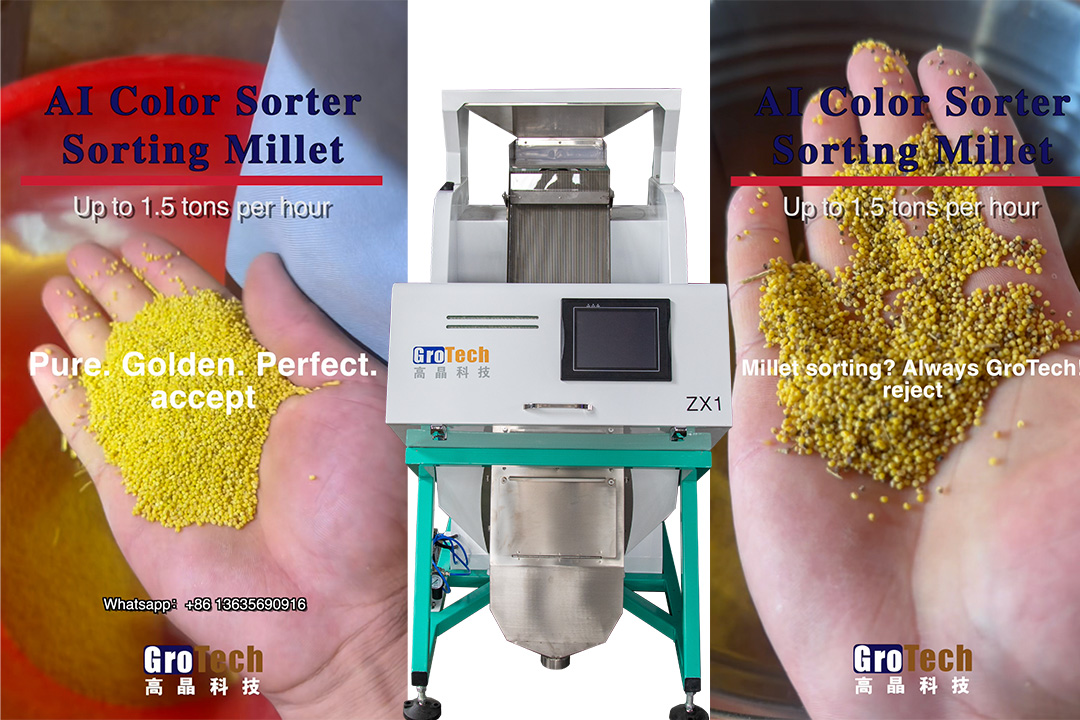
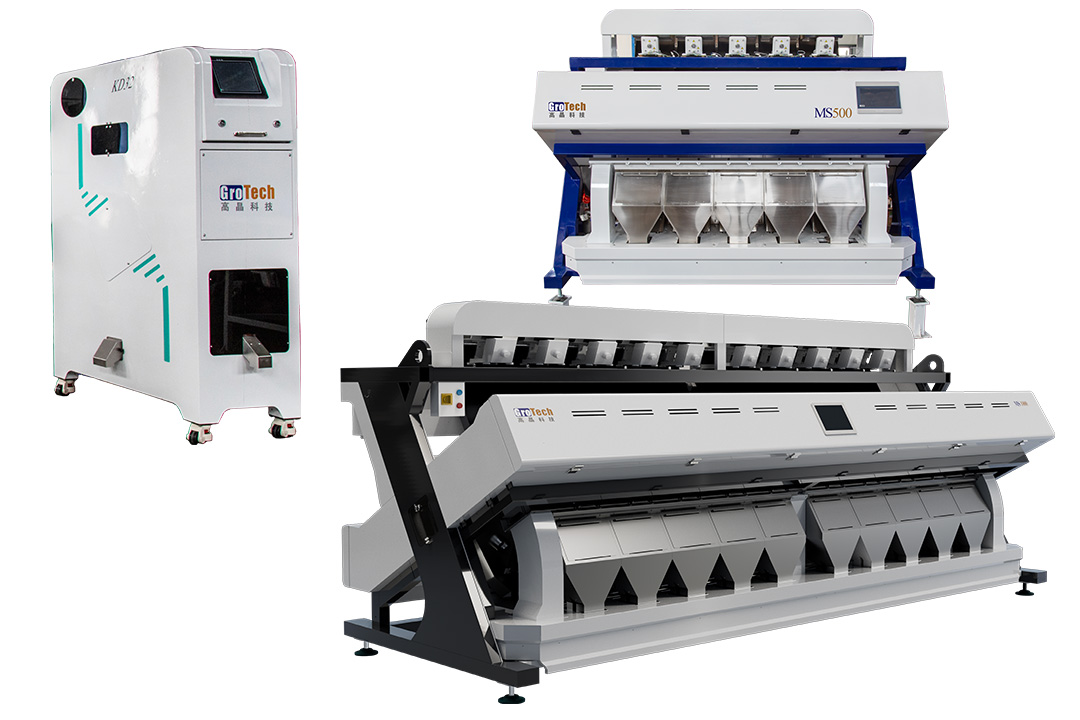
In today’s fast-evolving mining industry,smart ore processing is key to boosting quality, reducing costs, and minimizing environmental impact. TheGroTech Mineral Color Sorter series is designed specifically for the challenges ofore sorting, offering high-precision, AI-powered solutions for a wide range of applications—from fine quartz sand to large magnesium ore, including innovative wet sorting options.
Whether you're processing powdered, granular, or blocky materials, GroTech delivers anext-generation mineral sorting experience built for efficiency, flexibility, and purity.
What Is a Mineral Color Sorter?
A mineral color sorter uses high-resolution cameras and AI algorithms to detect color differences, impurities, and texture inconsistencies in ore materials. Once detected, unwanted materials are automatically removed by high-speed ejector valves.
GroTech Mineral Color Sorters are built with industry-leading technologies, offering key advantages:
Ultra-HD Imaging: Detects tiny color variations (≥0.01 mm) with industrial-grade CCD cameras.
AI Deep Learning Algorithms: Automatically adjust to material variations for highly accurate sorting.
Fast and Stable Ejector Valves: Capable of over 30,000 ejections per second for maximum throughput.
Versatile Material Compatibility: Works across powders, grains, and large ore blocks without manual adjustment.
Quartz Sand Sorting: Precision in Fine Powder Ore Processing
In high-purity applications such asglass, electronics, and photovoltaics, quartz sand must be meticulously sorted. GroTech’s mineral color sorters offer outstanding performance forfine ore sorting and classification:
Multi-size Adaptability: Sorts quartz sand from10 mesh to 325 mesh with precision.
Impurity Removal: Eliminates iron impurities, yellow spots, dark particles, and other color-based defects.
Integrated Grading: Performs size grading and impurity rejection in one pass.
Moisture-Compatible: Effectively handles slightly wet or clumped sand with consistent accuracy.
Large Ore Sorting: Efficient Screening for Magnesium and Other Blocky Ores
Sorting large mineral blocks such asmagnesium ore, limestone, or fluorite presents unique challenges. GroTech provides a powerful solution designed forlarge ore particle sorting:
Widebelt Design: Supports ore sizes ranging from 20 mm to 150 mm.
Deep Defect Detection: High-intensity LED lighting and AI vision detect structural issues like layering or dark spots.
High Throughput, Low Waste: Processes large volumes with low false rejection rates
Robust Construction: Designed for rugged industrial environments, with easy maintenance access.
Wet Sorting Breakthrough: GroTech’s Innovative Water-Washable Mineral Color Sorter
Traditional color sorters struggle with wet or muddy materials. GroTech solves this with a game-changing innovation: thewater-washable mineral color sorter, designed forreal-time wet sorting in mineral washing environments
Simultaneous Washing and Sorting: Sorts materials in real-time while being washed.
Fully Waterproof and Corrosion-Resistant: Suitable for long-term operation in humid or wet environments.
Ideal for Clay, Kaolin, Sea Sand, and Washed Quartz: Ensures cleaner output with fewer processing steps.
Reduces Manual Handling: Saves labor and improves environmental compliance.
You’ve probably come across a industrial diesel generators before, even if you didn’t realize it at the time. That low, constant hum near a hospital during a blackout, or that chunky machine on a construction site powering everything from drills to floodlights? Yep, that’s likely a diesel genset. But how do they actually work? And why are they still everywhere—even in the age of solar panels and lithium batteries?
Let’s take a closer look, and keep it simple.
So, How Do Diesel Generators Actually Work?
Okay, think of a diesel generator as a combo: one part is the engine (which burns diesel fuel), and the other part is the alternator (which turns movement into electricity). When the engine runs, it spins a shaft—this movement gets passed into the alternator, which uses magnetic fields to create electric current.
Sounds kind of magical, but it’s just physics doing its thing.
Now, the process begins with air being compressed inside the engine cylinder. When diesel fuel is sprayed in, it ignites from the heat caused by compression alone—no spark plug necessary. This tiny explosion pushes the piston down, which, in turn, rotates a crankshaft.
That’s the mechanical part done.
From there, the alternator—basically a big electromagnetic rotor—spins and produces electricity. The result? Usable power that can light up a building, run heavy tools, or even keep a data center going.
But... Why Diesel? Isn’t That Dirty?
It’s true that diesel isn’t the cleanest energy source, and that topic gets a lot of attention lately. But here’s the thing: diesel engines are really efficient. They can run longer on the same amount of fuel compared to gasoline engines, especially under high loads. They also last longer, generally speaking.
Plus, modern diesel gensets are getting cleaner. Emission standards are tighter now. Some units even include filters or tech that helps reduce particulate matter and NOx.
So yeah, not perfect—but reliable, which is sometimes more important, especially during emergencies.
Where Do People Use Diesel Generators Most Often?
I’ve seen these machines in more places than I can count. And their uses go far beyond just backup power. Here’s a breakdown—though this list isn’t exhaustive, of course.
Hospitals
Let’s start here because it’s critical. When the power goes out, life-support equipment can’t stop for even a minute. Most hospitals have big diesel gensets in their basements or rooftops. The second the grid fails, these fire up automatically. Pretty impressive.
Construction Sites
Until a building gets connected to the power grid, workers still need electricity—for cranes, mixers, lighting, and more. Diesel gensets are portable and powerful enough to handle all that.
Data Centers
Ever heard of “uptime guarantees”? Data centers live and die by them. If the grid drops, backup diesel-powered generator kick in to avoid costly downtime and potential data loss. They may test-run weekly just to stay ready.
Rural or Remote Areas
In places where power infrastructure doesn’t reach—or is too unstable—diesel becomes the main power source, not just a backup. I’ve seen small clinics, remote schools, even farms that rely entirely on generators for daily needs.
Outdoor Events & Festivals
From weddings in vineyards to three-day music festivals in open fields, everything runs on generators. Lighting, food stalls, sound systems—you name it.
Despite the rise of cleaner alternatives, silent diesel generator remain a core part of our energy backup infrastructure. The newer ones are quieter, more efficient, and better for the environment than their predecessors.
They might not be the future forever—but they’re absolutely essential for now.