头部背景图片

How to select different types of injection pumps?

2025-10-17

Elephant Machinery injection pump is generally applicable to oil extraction, particularly in fields such as enhanced oil recovery (EOR) and chemical injection. The primary types of Elephant Machinery injection pump include water injection pump, polymer injection pump, and CO₂  injection pump. Although they are all referred to as “injection pumps,” their design principles, operating mechanisms, and application scenarios differ significantly.


1. Water Injection Pump: Its core function is to inject water, wastewater, oilfield waste oil, and brine into oil reservoirs, increasing formation pressure to drive crude oil toward the wellbore. In practical applications, water injection pumps are widely deployed in various oilfield injection stations, to be critical equipment for achieving stable production and enhanced oil recovery. They are particularly suitable for developing medium-to-low permeability reservoirs. Through continuous and stable water injection operations, they improve waterflood efficiency in reservoirs and enhance crude oil extraction rates.


2. Polymer Injection Pump: To be a pump specifically designed for oilfield polymer flooding processes. Its core function is to inject polymer solutions, alkaline solutions, deactivators, binary fluids, or ternary fluids into reservoirs at precise flow rates and pressures. Through the adsorption, retention, and viscosity-increasing effects of polymer molecules within the pore medium, it effectively improves the water-oil mobility ratio, enhances the sweep efficiency, and increases oil recovery rates. In practical applications, polymer injection pumps demand exceptionally high flow stability and pressure control precision. Typically integrated into polymer injection stations for tertiary oil recovery operations, they are well-suited for developing mature fields with high water cut. By injecting high-molecular-weight, low-hydrolysis-degree polymer solutions, these pumps significantly enhance oil displacement efficiency and extend the operational lifespan of oilfields.


3. CO₂ Injection Pump: Its core function is to continuously inject supercritical or liquid CO₂ into oil reservoirs at specific pressures and flow rates. By leveraging the physicochemical interactions between CO₂ and crude oil—such as reducing crude viscosity, improving fluidity, expanding oil volume, and extracting light components—it enhances oil recovery rates. During process execution, CO₂ collected from emissions in energy production or other industries is sometimes utilized. In practical applications, this pump is widely employed in CO₂ enhanced oil recovery (EOR) technology, particularly suited for developing low-permeability, high-viscosity crude reservoirs. By injecting CO₂ into formations, it not only effectively improves crude fluidity but also enables geological sequestration of CO₂, achieving a win-win outcome of energy conservation, emission reduction, and resource development. It is to be a crucial piece of equipment for realizing green and efficient oilfield development.


The specific selection depends on the characteristics of the application scenario. For high-viscosity crude oil extraction requiring environmental benefits, CO₂ injection pumps are ideal, as they improve crude oil flow through physicochemical effects while sequestering CO₂. For medium-to-low permeability reservoirs, water injection pumps stabilize formation pressure to drive crude oil flow. For tertiary recovery operations in mature fields with high water cut, where enhancing sweep efficiency and oil displacement is crucial, polymer injection pumps with high precision control over flow rate and pressure are more suitable. Ultimately, the selection should be based on your application objectives, reservoir characteristics, and target recovery goals. Elephant Machinery can tailor customized solutions to meet your specific requirements.

What is the efficiency of a reciprocating pump?

2025-10-17

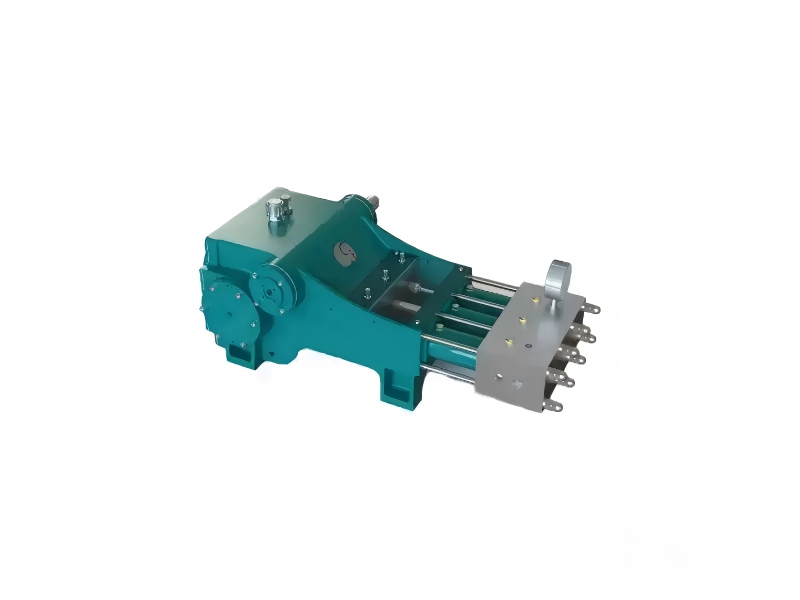
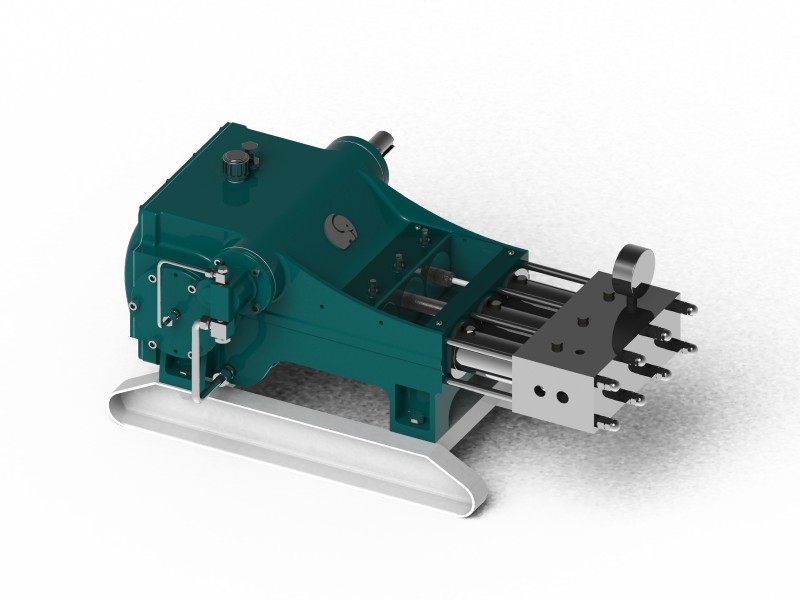
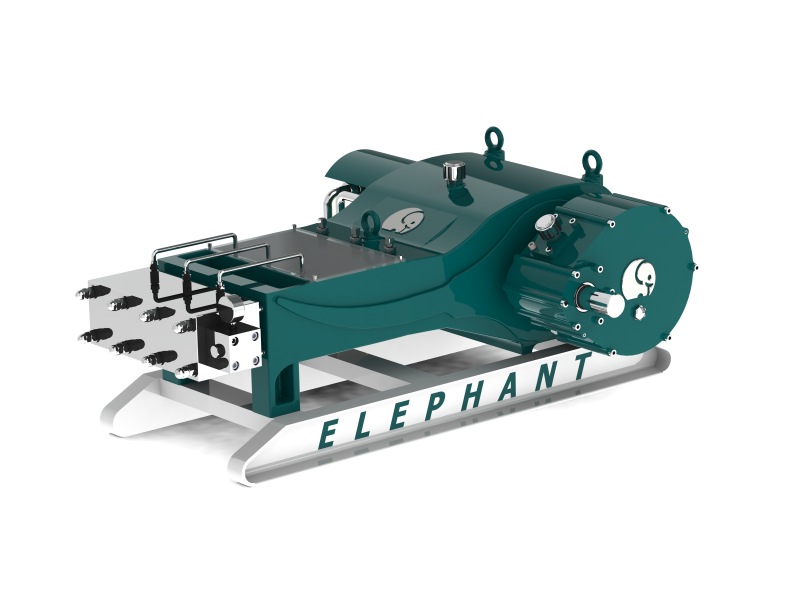
Reciprocating pump is a type of positive displacement pump, with high efficiency being its most notable feature. The efficiency of reciprocating pumps is influenced by multiple factors, including design structure, operating conditions, and medium characteristics. Typically, reciprocating pumps exhibit high efficiency under high pressure and low flow conditions, owing to their precision mechanical construction and excellent sealing performance. Elephant Machinery specializes in reciprocating pump products, offering both piston pump and plunger pump.


1. Plunger Pump

Plunger pump is the most efficient in high pressure applications. They operate by altering the volume of the working chamber through the reciprocating motion of the plunger, thereby achieving fluid intake and discharge. Their efficiency advantage is most pronounced under high-pressure conditions, where they maintain stable performance output. Additionally, material selection and manufacturing processes significantly impact plunger pump efficiency; high-quality seals and wear-resistant components can further enhance operational efficiency. In practical applications, plunger pumps are commonly employed in scenarios requiring sustained high pressure output, such as oil extraction, chemical production, and high pressure cleaning.


2. Piston Pump

Piston pump also boast high efficiency, though they remain slightly less efficient than plunger pump. However, they excel in low-to-medium pressure applications. Piston pumps achieve fluid transfer through the reciprocating motion of the piston, featuring relatively simple construction and lower maintenance costs. Compared to plunger pumps, piston pumps are better suited for handling media containing solid particles or higher viscosity, owing to their larger working chambers and greater adaptability. Additionally, piston pump designs offer high design flexibility, allowing adjustments to meet specific requirements and achieve greater efficiency in particular applications. For instance, they are widely used in fields such as wastewater treatment.


3. Advantages

  • Convenient
  1. Lightweight Design: Reduces transportation and installation burdens
  2. Intelligent Operation: Streamlines operational procedures and enhances user experience
  3.  Low-Maintenance Hydraulic End: Specially engineered for simplified maintenance
  • Reliable
  1.  Exceeding Standards: Reciprocating pumps are designed in compliance with relevant national standards such as GB/T 9234-2018, as well as international standards including API 674 Third Edition and ISO 13710:2004. Their quality and reliability meet or exceed industry standards.
  2.  Durable wear parts: Extended service life, reduced maintenance costs
  • Efficient
  1.  High Efficiency: Achieves peak efficiency of 90%-95%, significantly outperforming centrifugal pumps and excelling against comparable reciprocating pumps.
  2.  Cost Reduction & Energy Savings: Actively responds to green initiatives, supports sustainable development, and lowers operational costs.
  • Intelligent
  1. Intelligent Pump Station System: Unmanned operation with multi-terminal remote monitoring and real-time data synchronization. Remote start/stop, speed adjustment, and data retrieval—all at your fingertips.


Elephant Machinery reciprocating pumps cover a power range up to 1120 kW, deliver flow rates as high as 6000 LPM, and achieve pressures exceeding 280 MPa. They perfectly accommodate the diverse operational demands of the oil and gas sector—from oilfield water injection, polymer injection, drilling, cementing, and pipeline pressure testing to crude oil transfer—spanning multiple application fields. Elephant Machinery offers customized solutions tailored to client requirements. Should you have any needs, please feel free to contact us anytime!

Alligator Shear The Heavy-Duty Metal-Cutting Machine

2025-10-15

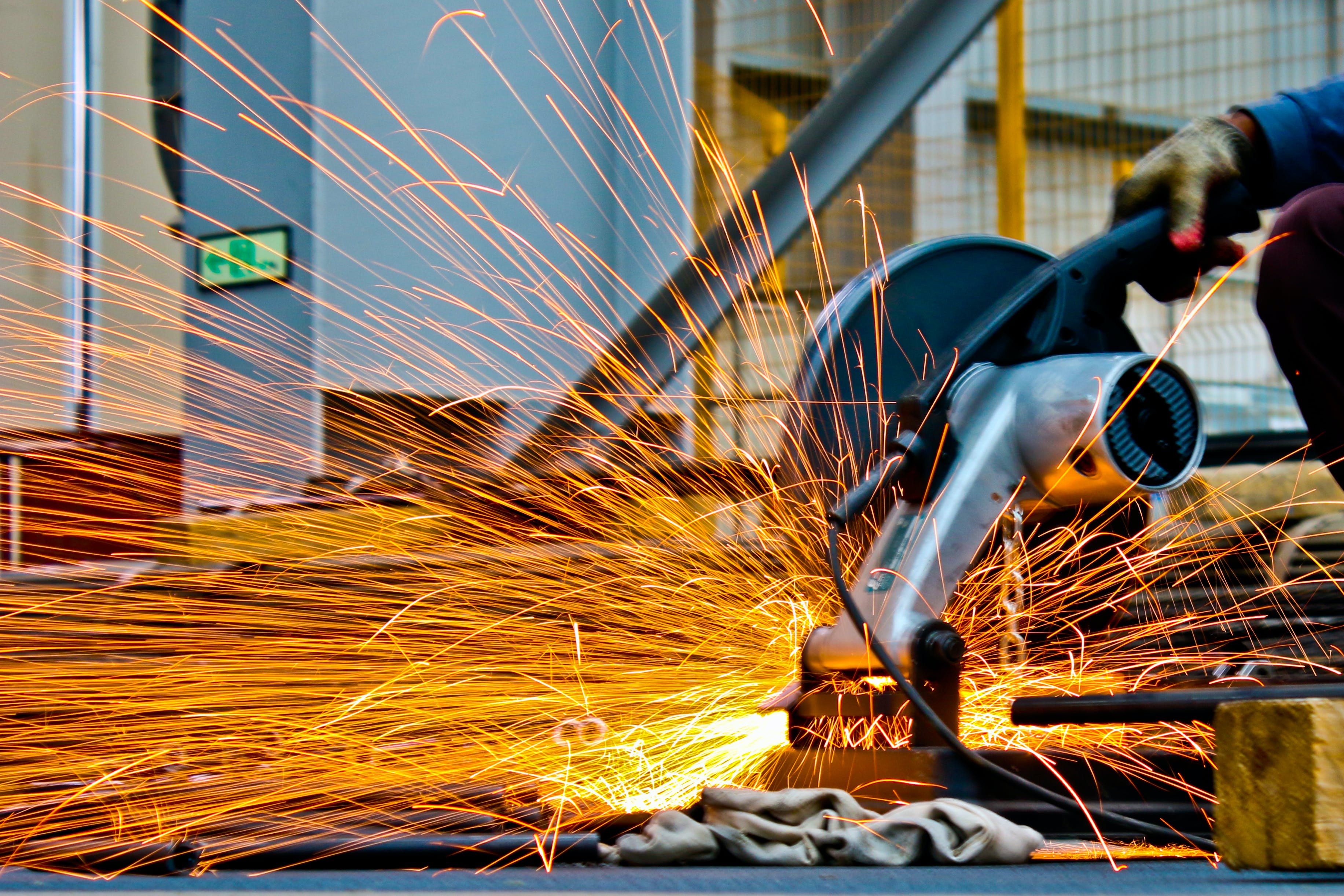
Alligator shears are powerful hydraulic machines widely used in metal recycling and fabrication industries. Shaped like an alligator's open jaws, their large, sharp blades can cut through various metals, including steel, iron, aluminum, copper, and even reinforced bars, with ease and precision.


These shears operate on a simple yet effective principle. A robust hydraulic system generates high-pressure force, driving the upper blade down onto the metal placed on the fixed lower blade. The powerful shearing action cleaves through the material quickly and cleanly, reducing it into smaller, more manageable pieces with minimal deformation.


Their applications are diverse and critical across multiple sectors. In scrapyards and recycling centers, alligator shears break down large metal scraps such as beams, pipes, and car parts, optimizing storage, transportation, and melting efficiency. In manufacturing and metal fabrication, they are used to cut metal rods, strips, and plates into specific sizes for further processing. Construction sites also employ these shears for rebar and structural steel cutting.


Key advantages include enhanced safety features such as overload protection valves to avoid machine damage, and durable blades made from high-grade alloy steel that retain sharpness over prolonged use. Their simple structure allows for easy maintenance and low operational costs.


By automating one of the most labor-intensive steps in metal processing, alligator shears significantly enhance workflow efficiency, reduce manual labor, and improve the overall productivity and safety of metal-handling operations. Thanks to their reliability, rugged construction, and cutting-edge hydraulic technology, alligator shears remain essential tools in modern metalworking.

Container Shear Buying Guide

2025-10-15

In the demanding sectors of demolition and scrap processing, maximizing productivity while maintaining safety is the ultimate goal. The container shear has rapidly become a critical tool in achieving this objective, offering a powerful and versatile solution for material reduction.


The container shear’s uniquely designed jaws deliver immense cutting power, capable of cleanly shearing through thick steel, structural beams, automobiles, and mixed industrial scrap. This ability to process diverse materials makes it an incredibly valuable asset on any job site.


The advantages of integrating a container shear into your operations are clear. It dramatically increases productivity by reducing large, unwieldy items into compact, manageable loads in minimal time. This efficiency not only speeds up project cycles but also optimizes transportation and storage space, leading to significant cost savings. Furthermore, by streamlining the size reduction process, it produces higher-quality, contaminant-free scrap, which can increase its value in the recycling market. From a safety perspective, the mechanized cutting process reduces reliance on manual torching or unpredictable demolition methods, creating a more controlled and safer working environment.


Choose a container shear that suits you, the following points are very important

1. Cutting Force:

Usually measured in tons (Tons) or kilonewtons (kN). This is the core metric for measuring a shear's capacity, ranging from several hundred tons to thousands of tons. The greater the cutting force, the thicker and harder the material it can handle.


2. Cutting Length:

This determines the width of material that can be cut at a time. Common sizes range from 600mm to 2000mm or even longer.


3. Feed Opening Size:

The width and height determine the size of the scrap you can handle. If you frequently process large scrap, you'll need a wide and tall feed opening.


4. Main Cylinder Pressure and Motor Power:

These two factors together determine shear force and operating speed. Higher power generally results in faster cycle times and higher efficiency.


5. The required production capacity:

How many tons of material do you need to process per hour/day/month? This is the most critical factor in determining the type (size) of equipment. Production capacity directly impacts the price.


6. Cycle Time:

The time required to complete one cycle of "press, shearing,push out,back." The shorter this time, the higher the theoretical production capacity.


More than just a powerful tool, the container shear is a strategic investment. It enhances operational capabilities, improves profitability, and sets a new standard for efficiency in demolition and recycling. Embracing this technology is key to building a more productive and competitive future.


Metal Gantry Shearing Machine Precision and Efficiency in Metal Fabrication

2025-10-15

In modern industrial manufacturing, metal processing requires high precision and efficiency to meet the demands of various industries. The metal gantry shearing machine stands out as a crucial piece of equipment in metal fabrication, offering superior cutting performance, durability, and automation capabilities. This article explores its features, applications, and advantages in industrial settings.


What Is a Metal Gantry Shearing Machine?

A gantry shearing machine is a heavy-duty cutting device designed to shear metal sheets with high accuracy. Unlike traditional guillotine shears, it utilizes a gantry-style frame for enhanced stability and cutting force. The machine typically consists of a robust frame, hydraulic or mechanical drive system, adjustable blade clearance, and an advanced control panel for precise operation.


Key Features and Working Principle

1. High-Strength Gantry Structure – The gantry design ensures rigidity, reducing vibration and deformation during cutting, which is essential for maintaining precision in thick metal sheets.

2. Hydraulic or Servo-Driven System – Hydraulic models provide powerful shearing force, while servo-driven versions offer faster, energy-efficient operation with programmable controls.

3. Adjustable Blade Clearance – Operators can set the gap between the upper and lower blades to accommodate different material thicknesses, ensuring clean cuts without burrs.

4. CNC and Automation Integration – Advanced models feature CNC controls, allowing for automated cutting sequences, reducing manual intervention, and improving repeatability.


The machine works by clamping the metal sheet in place before the descending blade applies shear force, cleanly separating the material along a straight line.


Applications in Industry

Metal gantry shearing machines are widely used in:

· Automotive Manufacturing – Cutting steel plates for car frames and body parts.

· Shipbuilding – Processing large metal sheets for hull construction.

· Construction & Infrastructure – Fabricating structural steel beams and panels.

· Aerospace & Defense – Precision cutting of high-strength alloys.


Advantages Over Traditional Shears

· Higher Cutting Capacity – Capable of handling thicker and harder metals (up to 30mm or more, depending on the model).

· Improved Accuracy – The gantry frame minimizes deflection, ensuring straight cuts even under heavy loads.

· Energy Efficiency – Servo-driven models reduce power consumption compared to hydraulic alternatives.

· Safety & Automation – Equipped with safety guards and programmable controls to minimize operator risks.


The metal gantry shearing machine is a vital tool in modern metalworking, combining strength, precision, and automation to enhance productivity. As industries demand higher-quality cuts with minimal waste, these machines will continue to evolve with smarter controls and improved efficiency. Whether for large-scale fabrication or specialized metal processing, investing in a high-performance gantry shear ensures long-term reliability and cost-effectiveness.

The Briquetting Machine Turning Waste into Value

2025-10-15

A briquetting machine compresses loose (often waste) materials into compact solid briquettes. This process, briquetting, is a form of densification that reduces the material's volume, making it easier to handle, transport, and store. The core principle is to apply great pressure to the raw feedstock, binding it together usually without external adhesives.


Briquetting machines have diverse applications. In agriculture, they convert residues like sawdust and straw into clean-burning fuel. Metalworking industries use them to compress chips into dense, recyclable briquettes, saving space and reducing oxidation. Even household paper waste can be compacted into useful kindling.


The benefits of using a briquetting machine are substantial. First, it offers a waste management solution, converting waste into a valuable commodity and promoting a circular economy . Second, the briquettes are a more efficient and eco - friendly fuel than traditional fossil fuels. For businesses, briquetting can save costs by reducing waste disposal fees and generate new revenue from selling the briquettes.


In conclusion, the briquetting machine is a simple but effective technology with notable economic and environmental benefits. It transforms bulky, low - value waste into dense, usable briquettes, thus playing a key role in promoting sustainability, enhancing efficiency, and adding value in various sectors. 

The Heavy Metal Shredder Machine Power and Efficiency in Industrial Recycling

2025-10-15

In today’s industrial landscape, the demand for efficient waste management and metal recycling has led to the development of advanced machinery like the heavy metal shredder machine. This powerful equipment plays a crucial role in processing scrap metal, reducing waste volume, and preparing materials for recycling. With its robust design and high-performance capabilities, the heavy metal shredder is an indispensable tool in modern recycling facilities.


What is a Heavy Metal Shredder Machine?

A heavy metal shredder is a large-scale industrial machine designed to break down bulky metal waste into smaller, manageable pieces. It can process various materials, including steel, aluminum, copper, and even electronic waste (e-waste). The shredded output is easier to transport, sort, and melt down for reuse, making the recycling process more efficient and cost-effective.


Key Features and Working Principle

1. Durable Construction – Built with high-strength steel and wear-resistant components, these shredders withstand extreme stress and prolonged operation.

2. Powerful Motor & Blades – Equipped with high-torque motors and hardened cutting blades, they can crush thick metal sheets, car parts, and industrial scrap effortlessly.

3. Hydraulic or Electric Drive Systems – Depending on the model, shredders use hydraulic pressure or electric motors to deliver consistent shredding power.

4. Safety Mechanisms – Advanced models include overload protection, emergency stops, and automatic reversal to prevent jams and damage.


The shredding process involves feeding scrap metal into the machine, where rotating blades or hammers tear it apart. The shredded material is then sorted, either magnetically (for ferrous metals) or through air separation (for non-ferrous metals).


Applications of Heavy Metal Shredders

· Automotive Recycling – Shredding end-of-life vehicles (ELVs) to recover steel, aluminum, and other metals.

· Industrial Scrap Processing – Handling manufacturing waste, machinery parts, and construction debris.

· E-Waste Recycling – Breaking down old electronics to extract valuable metals like gold, silver, and copper.

· Metal Smelting Preparation – Reducing large metal pieces into uniform fragments for easier melting.


Benefits of Using a Metal Shredder

· Cost Savings – Reduces transportation and storage costs by compacting waste.

· Environmental Impact – Promotes metal recycling, reducing landfill waste and conserving natural resources.

· Energy Efficiency – Recycled metal requires less energy to process than virgin ore.

· Versatility – Can handle a wide range of metal types and sizes.


Future Trends in Metal Shredding Technology

As sustainability becomes a global priority, shredder manufacturers are focusing on:
✔ Automation & AI Integration – Smart shredders with sensors for real-time monitoring.
✔ Higher Efficiency Designs – Improved blade technology and energy-saving motors.
✔ Eco-Friendly Processing – Reducing emissions and noise pollution during operation.


The heavy metal shredder machine is a cornerstone of modern recycling, offering unmatched efficiency in processing scrap metal. With continuous advancements in technology, these machines will play an even greater role in sustainable industrial practices. Whether for automotive, manufacturing, or e-waste recycling, investing in a high-quality shredder ensures long-term economic and environmental benefits.


By embracing this technology, industries can contribute to a circular economy—where metal waste is transformed into valuable resources rather than ending up in landfills. The future of recycling is shredding forward!

The Vertical Baler Compacting Waste Efficiently and Safely

2025-10-15

In the world of waste management and recycling, efficiency, space optimization, and safety are paramount. The vertical baler stands as a workhorse solution, specifically designed to compact loose, bulky materials into dense, manageable bales. As its name suggests, this machine operates with a vertically oriented hydraulic ram that delivers powerful downward force.


Core Function and Operation:

1.  Loading: Operators feed loose materials (cardboard, plastic film/fabric, paper, OCC, non-ferrous metals, textiles) through an open top or large side door into the main compression chamber.

2.  Compression: Once loaded, the machine is activated (usually via control panel buttons). A heavy-duty hydraulic ram descends from the top of the chamber, exerting immense pressure (often measured in tons) to crush and compress the material downwards against a fixed baseplate.

3.  Bale Formation: This cycle repeats. Material is added, compressed, added again, and compressed further. Guides within the chamber ensure the material forms a neat rectangular block.

4.  Ejection: When the bale reaches the desired size and density (often signaled by a pressure gauge or automatic cycle counter), the compression stops. A door (typically on the front or side) opens, and the bale is ejected – sometimes manually pushed out, often assisted by the rising ram or a separate ejection mechanism. The bale is then strapped or wired for handling and transport.


Key Advantages:

   Space Efficiency: Vertical balers have a significantly smaller footprint than their horizontal counterparts. This makes them ideal for facilities where floor space is at a premium – retail stores, supermarkets, warehouses, distribution centers, manufacturing plants, and smaller recycling depots. They often fit neatly into stockrooms or dock areas.

   Lower Initial Cost & Operating Cost: Generally less expensive to purchase and install than horizontal balers. They also tend to have simpler hydraulic systems, potentially leading to lower maintenance costs.

   Ease of Operation & Safety: Loading is straightforward, often done at waist or chest height, reducing bending and heavy lifting before compaction. Modern models feature extensive safety interlocks (guards, two-hand operation, door locks) preventing operation while doors are open, significantly enhancing operator safety compared to less controlled compaction methods.

   Versatility: While exceptionally effective for high-volume cardboard (OCC) and plastic film (LDPE stretch wrap, bags), they handle a wide range of lightweight, bulky recyclables and waste streams effectively.

   Reduced Hauling Costs & Increased Revenue: Compacting waste dramatically reduces its volume. This means fewer pickups by waste haulers (saving on service fees) and denser, higher-quality bales that fetch better prices from recyclers.


Common Applications:

   Retail & Grocery: Cardboard boxes, plastic packaging, plastic bags.

   Warehousing & Distribution: Shipping cartons, filler materials, plastic wrap.

   Manufacturing: Off-cuts, packaging waste, non-hazardous scrap.

   Office Complexes: Confidential paper waste, bulk paper/cardboard.

   Recycling Centers: Pre-compaction of specific streams before further processing.


The vertical baler is an indispensable tool for businesses and facilities generating significant volumes of lightweight, bulky recyclables and waste. By offering a compact footprint, relatively low cost, safe operation, and the ability to dramatically reduce waste volume, it delivers tangible benefits: lower disposal costs, potential revenue from recyclables, cleaner workspaces, and more efficient waste handling logistics. Its vertical compression action provides a practical and economical solution for achieving efficient waste compaction where space is limited.

Why is this samll stone cutting machine essential for you?

2025-10-11

Most stone enterprises are equipped with reliable, energy-efficient stone machinery. Among these, small stone cutting machine have become indispensable tools across industrial and construction sectors due to their diverse types, practical functions, and broad applicability. For instance, tile cutters with grooving capabilities and stone cutters featuring water circulation systems are particularly well-suited for small workshops or construction sites. Haineng’s portable wheeled stone cutters are widely favoured.


This samll stone cutting machine is specifically engineered for thickprocessing thick, hard materials such as kerbstones, granite, red bricks, and refractory bricks. Combining chamfering and straight-cutting capabilities, its robust 500mm diameter blade effortlessly handles thicknesses up to 180mm. The machine incorporates a clamping mechanism for swift stone fixation, ensuring uninterrupted cutting operations and significantly boosting productivity. The 500mm oversized blade delivers unparalleled cutting capability. It effortlessly handles 180mm thick curbstones or barstones with the ease of slicing through butter, demonstrating formidable power and stability. An integrated infrared laser positioning system ensures minimal cutting deviation, guaranteeing pinpoint precision with every cut. This effectively reduces material wastage and saves costs.


Portable stone cutting machine's design details are equally impressive. Wheels fitted to the base facilitate easy movement. Constructed from high-strength steel with square sliders and dust covers, it maintains excellent rigidity and stability during prolonged heavy-duty operation, effectively extending equipment lifespan. The unique dual-head water nozzle design continuously sprays water during cutting to suppress dust, safeguarding operators' respiratory health and meeting modern green construction standards.

Extensive Application Scenarios
Municipal Engineering: Cutting and chamfering kerbstones and paving slabs.
Construction Sites: Precision processing of foundation blocks and refractory bricks.
Landscaping: Shaping and detailing stone features for landscape design.
Stone Processing Plants: thick granite, marble, and other stone materials.

Multi-Weight Sorting Machine Supplier How to Choose the Right Partner for Your Production Efficiency

2025-09-30

    When your production line relies on precise weight sorting—whether for poultry portions, seafood grades, or fruit batches—picking the right multi-weight sorting machine supplier isn't just a purchase decision; it's an investment in long-term efficiency, quality, and cost control. With countless options on the market, how do you filter out generic suppliers and find the one that aligns with your specific needs? Below are 4 core criteria to guide your choice, plus why UUPAC stands out as a reliable partner.

 Carousel Multi-Weight Sorting Machine

1. Prioritize Suppliers with Specialized Equipment for Your Industry

    A top-tier multi-weight sorting machine supplier doesn't offer "one-size-fits-all" devices—they design equipment tailored to the unique challenges of your sector. For example:

  • If you're in poultry/seafood processing, you need machines that handle irregular shapes (e.g., chicken wings, abalones) without damage, and resist humidity/rust (critical for wet production environments).
  • If you work with fruits/vegetables, the sorter must have soft conveying systems to avoid bruising delicate produce.


    UUPAC, as a focused supplier, addresses these needs directly with its Carousel Multi-Weight Sorting Machine. Built for poultry, seafood, fruits, and even Chinese herbs, it features a waterproof design (resists seawater erosion), soft net chain conveyors (prevents product damage), and customizable sorting grades (1–14 ranges) to match your industry's requirements—no more forcing a generic machine to fit your workflow.


2. Check for Proven Precision, Speed, and Practicality

    Efficiency hinges on two non-negotiables: accuracy (to avoid waste/complaints) and speed (to keep up with production demands). When evaluating a supplier, ask for hard specs:


  • Accuracy range: For small-to-medium products (50g–500g), look for ±0.3g~±3g (like UUPAC's carousel machine) to ensure consistent grading—this cuts overpacking waste by 4–6% and eliminates underweight product complaints.
  • Sorting speed: Match the machine to your daily output. UUPAC's sorter hits 300 cycles per minute, replacing 2–3 manual workers (who average 30–50 pieces/min) and slashing sorting time for a 10,000-piece daily batch from 6 hours to under 40 minutes.
  • Ease of use: Practical features matter too. UUPAC's 7" touchscreen stores 99 product presets—switching from sorting chicken legs to mangoes takes seconds, not hours—critical for multi-SKU production lines.


3. Don't Overlook After-Sales Support and Supply Reliability

    A great machine is only as good as the support behind it. A trustworthy multi-weight sorting machine supplier should offer:


  • Fast availability: Look for in-stock options (UUPAC keeps its carousel sorters ready) and flexible shipping (from Shanghai, Ningbo, or Guangzhou ports) to avoid production delays.
  • Durable after-sales service: Ensure 24/7 technical support, a 1+ year warranty for core parts (like UUPAC's 1-year full warranty), and quick access to spare parts (e.g., conveyors, sensors). For example, UUPAC's nationwide engineers reach most Chinese factories within 36 hours—minimizing downtime if issues arise.
  • Compliance and transparency: Suppliers should provide data-tracking tools (like UUPAC's Excel-format production reports) to simplify audits and help you analyze output—key for food safety and quality control.


4. Verify Cost-Effectiveness, Not Just Upfront Price

    The cheapest supplier rarely delivers long-term value. Calculate total cost of ownership (TCO):

  • Energy efficiency: Its frequency conversion motor uses 15% less electricity than fixed-speed models.
  • Longevity: The engineering plastic conveyor lasts 2–3x longer than metal ones, reducing repair costs.


Why UUPAC Is a Trusted Multi-Weight Sorting Machine Supplier?

    For over a decade, UUPAC has focused on solving real production pain points. Its carousel multi-weight sorting machine is designed for industries like poultry, seafood, and agriculture, with specs that prioritize accuracy, speed, and durability. Add in in-stock availability, 24/7 support, and practical features (like preset product modes), and it's clear why UUPAC is a trusted multi-weight sorting machine supplier.


By focusing on industry specialization, practical specs, reliable support, and TCO, you'll find a multi-weight sorting machine supplier that doesn't just sell you a machine—they help you build a more efficient production line. Contact UUPAC today to explore how its carousel sorter fits your needs.

Tags