Engraving technology plays a significant role in modern personalised customisation and industrial manufacturing. Laser engraving and CNC stone engraving are two mainstream engraving methods, each with its unique advantages and application scenarios. We will delve into the core differences between these two technologies to help you make an informed choice based on your project requirements.
Core Technology Principles Comparison
Laser engraving technology utilises high-energy-density laser beams to induce physical or chemical changes on the material surface, achieving engraving effects through precise control of the laser path. This non-contact processing method is particularly suitable for intricate patterns and complex designs.
CNC stone carving employs three-axis or five-axis CNC machines equipped with specialised stone cutting tools or diamond needles. It removes material through physical cutting to achieve carving effects on stone surfaces.
Carving effects are achieved through milling and grinding.
Differences in Material Compatibility
Laser engraving compatible materials
Optimal materials: wood, acrylic, leather, glass, anodised aluminium, certain plastics.
Limited effectiveness on materials: transparent materials (requiring special treatment), certain reflective metals.
Not suitable for materials: chlorine-containing materials (e.g., PVC), certain materials that release toxic gases.
CNC stone carving specialises in
Natural stone: marble, granite, limestone, slate, sandstone, etc.
Engineered stone: quartz stone, engineered marble, concrete products.
Other hard materials: can also be used on hardwood, metal, etc., but the primary advantage lies in stone applications .
Processing Precision and Detail Reproduction
Laser engraving advantages:
Ultra-high precision: capable of 0.01mm-level detail.
Microscopic control: suitable for complex patterns and fine text (minimum font size of 0.5mm).
Non-contact processing: avoids errors caused by material displacement.
Production efficiency: quickly completes flat patterns without tool changes.
CNC engraving characteristics:
Typical precision: around 0.1mm, limited by tool size.
Three-dimensional representation: excels at 3D engraving with varying depths.
Large-scale works: more suitable for large-sized stone carving (e.g., tombstones, architectural decorations).
Production efficiency: suitable for large-scale stone processing, but tool changes take time.
Finished product effect and artistic expression
Laser engraving characteristics: Typically retains the original colour of the material, creating contrast through burning. Can achieve effects from shallow markings to deep engraving, but may be limited on stone. Can achieve gradient effects and grayscale image reproduction.
CNC engraving artistry: True 3D engraving, capable of expressing different depth levels with strong three-dimensionality. Can achieve various effects such as sandblasting and polishing through different tools. Suitable for large-scale artistic creations such as monuments and architectural reliefs.
Health, Safety, and Environmental Considerations
Laser engraving precautions: Requires a professional exhaust system to handle gases produced during engraving. Some materials may produce harmful substances during engraving, so laser safety equipment must be provided.
CNC stone engraving considerations: High noise levels require soundproofing measures. Stone dust is produced, so a dust collection system is needed. High-speed rotating tools require safety guards.
Laser engraving and CNC stone engraving each have their advantages. The choice depends on your specific materials, design requirements, and budget. Laser technology is evolving toward higher power levels, potentially expanding into more stone application areas. CNC engraving machines are developing toward multi-axis linkage and intelligent directions. The two may overlap and integrate in certain application scenarios.
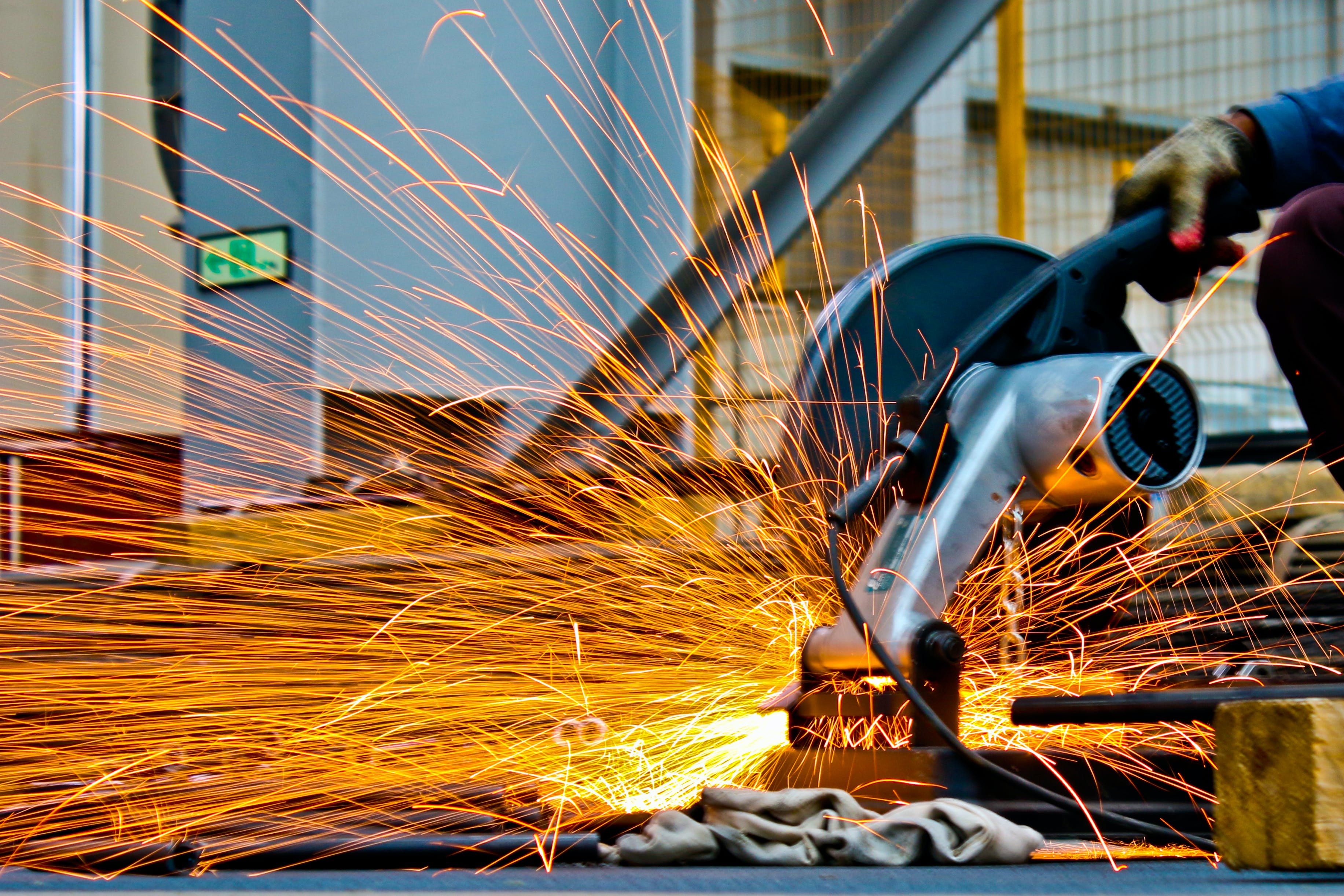
How to Compare between Laser Engraving and CNC Stone Engraving Machine?
What is the best way to cut thin stone veneer without cracking?
Thin stone veneers are widely used in modern architecture and interior design, they are both aesthetically pleasing and practical, but they are prone to cracking during the cutting process.
Why do thin stone veneers tend to crack during cutting?
Thin stone veneers (usually 1-3cm thick) are prone to cracking during cutting due to their thinness. The main reasons for this are: the brittleness of the material itself, incorrect choice of cutting tool, incorrect cutting technique, lack of proper support, cutting too fast or under too much pressure.The best choice of cutting tools for cutting thin stone veneer:
1. Wet cutter
Using diamond blades, the continuous water cooling reduces the particles and dust ejected during the cutting process and also leaves the finish very clean.
2. Angle grinder with diamond blades
Suitable for small jobs, must use wet cutting attachment and requires a steady hand.
3. Professional stone cutting saw
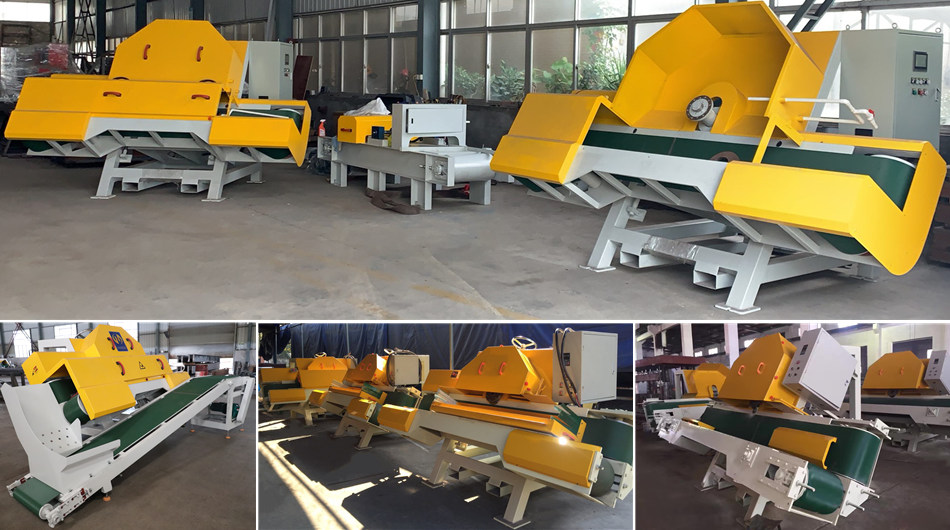
Thin veneer stone saw is a highly efficient machine designed for precision cutting of thin natural stone slabs for wall decoration, interior and exterior renovation projects. Its lightweight construction with a diamond blade makes it easy to cut thin stone veneer flats and corners , ensuring Its lightweight construction with a diamond blade makes it easy to cut thin stone veneer flats and corners , ensuring flat edges and reducing material waste. It offers high precision cutting of thin layers of cleaved surfaces or natural finished blocks of granite, marble, sandstone, limestone or brick. Easy to operate, safe and durable, mighty thin veneer saw is ideal for the stone processing and construction industries.
Cutting Tips and Precautions:
Ensure the stone is firmly supported: use rubber mats to reduce vibration .Keep blades sharp: dull blades increase the risk of cracking and should be replaced if more pressure is needed to cut or if the kerf becomes rough.
Control depth of cut: Cut no more than 1/3 of the blade diameter at a time .
Temperature management: Avoid overheating and pause to allow the blade to cool if necessary .
Cutting for special shapes: For curved or complex shapes, consider waterjet cutting.
Precautions for different stones:
Granite: harder, requires professional grade blades.
Marble: softer but more fragile and requires special care.
Limestone: highly porous, cuts best when wet.
Cutting thin stone veneer requires the right tools, technique and patience. thin stone veneer saw is the most reliable option, reducing material waste and ensuring cutting accuracy. Thin stone veneer saws are the most reliable choice, reducing material waste and ensuring accurate cuts, but even with an angle grinder, good results can be achieved if the right steps are followed. The key to cutting thin stone veneer is slow and steady.
What is The Difference Between Manual and Automatic Stone Polishing Machine?
In the modern stone processing industry, stone polishing is a crucial process, which directly determines the gloss and beauty of the stone surface. There are two main polishing equipment on the market: manual polishing machine and automatic polishing machine. So, what exactly is the difference between these two types of equipment?
First, the work performance characteristics comparison
manual stone polishing machine:
manual polishing machine can be adapted to a variety of complex shapes and details processing, especially for deep holes, small grooves and other complex structures, manual operation is more flexible. However, the reliance on the operator’s experience and skills may lead to inconsistent polishing quality. Manual control of the polishing machine’s travelling path, pressure and speed is required. Usually hand-held or small bench-top machines, the polishing process is flexible but less efficient. Suitable for small batch, customised production. Relatively low cost.
Automatic Stone Polishing Machine:
Automatically operated by pre-set programmes or CNC system, it can accurately control the moving path, rotational speed and pressure of the polishing head. Mostly large-scale equipment, polishing process standardisation, high efficiency, reduce the cost of enterprise labour. Higher equipment costs and maintenance costs, suitable for standardised marble and granite plate batch processing of the production line.
Second, the choice of recommendations
Selected according to the output: daily output of less than 100 square metres can be considered manual, more than should choose automatic equipment
Consider the product type: regular flat stone is suitable for automatic polishing, shaped stone may need manual assistance.
Return on investment calculation: automatic equipment is expensive, but in the long run may be more cost-effective.
Evaluation of technical reserves: automatic equipment requires appropriate operation and maintenance personnel.
Future Development Considerations: If expansion is planned, automatic equipment is the more forward-looking option.
As technology advances, the two types of equipment are converging. Stone polishing machine is becoming more motorised and intelligent. Automatic equipment to add more flexible design, robot polishing system began to enter the market. Intelligent control systems can automatically recognise the type of stone and adjust parameters. Regardless of which equipment is chosen, keeping the equipment in good condition and using it correctly is the key to obtaining quality polishing results.
Why Bridge Saw are Essential to Modern Granite and Marble Fabrication?
In the modern stone processing industry, the Bridge Saw has become an essential centrepiece of the granite and marble manufacturing process. This highly efficient and precise stone cutting machine has revolutionised the industry by revolutionising the way stone is traditionally processed. It is mainly embodied in the following aspects:
1. High-precision cutting ability
Bridge saw adopts advanced CNC technology, which can achieve millimetre-level or even higher precision cutting: ensure that the size of the plate fully meets the design requirements, reduce the waste of materials, improve the utilization rate of the stone, and achieve precise cutting of complex shapes and angles. Ensure that the cutting surface is flat and smooth, reducing the subsequent grinding process.
2. Highly efficient production capacity
Compared with traditional manual cutting, bridge saw significantly improves production efficiency: handling multiple pieces of stone at the same time improves production efficiency, automated operation reduces manpower requirements and operational difficulties, quick blade change and adjustment of parameters, adapting to different production requirements.
3. Maximise material utilisation
CNC bridge saw optimise the cutting solution by computer: the intelligent scheduling system reduces edges and corners, and can accurately calculate the least wasteful cutting path, reducing material costs and improving economic efficiency.
4. Enhanced safety
Modern bridge saw machine are equipped with multiple safety protection devices: automatic emergency stop system, guards and dust protection, remote monitoring and operating functions, reducing workers’ direct contact with hazardous areas.
5. Adapt to modern design needs
With the increasing complexity of architectural and decorative designs, bridge saws are able to: achieve a variety of shaped cuts, grinding, chamfering, grooving and other processing needs. Meet customised design needs. Maintain the consistency of the design pattern.
6. The core platform for technology integration
5 Axis cnc bridge saw has become the core of digital and intelligent stone processing: seamless connection with CAD/CAM system, production data collection and analysis, support for Internet of Things and remote monitoring, laying the foundation for intelligent manufacturing.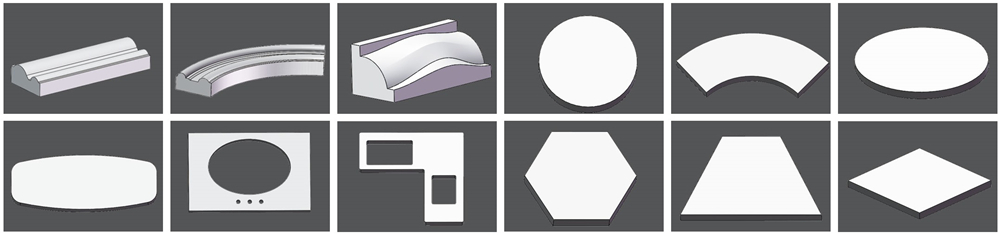
The development and popularity of bridge saw technology has not only improved the efficiency and quality of granite and marble processing, it is not only suitable for large stone factories or processing centres, but also for construction companies or contractors to carry out the cutting of building stone, such as floor tiles, wall tiles, countertops and so on. Investing in advanced bridge saw equipment is no longer an option, but a necessity for any stone processing company wishing to remain competitive.
Elephant Factory Acceptance Ceremony Successfully Held Crude Oil Transfer Pump
Elephant Machinery recently welcomed representatives from Sudan's energy sector and the Sudan National Petroleum Pipeline Company for a factory visit and inspection of the ordered CBW-2800 crude oil transfer pumps.
The equipment underwent rigorous testing, with all items passing acceptance in a single attempt.
Elephant Machinery is honored to receive recognition in the international petroleum equipment industry. In our pursuit of innovation in reciprocating pump applications, we remain committed to our founding principles: reliability, durability, and user-friendly operation. We listen to every customer’s feedback, integrating their needs into our designs, and crafting reciprocating pump solutions with craftsmanship—delivering convenience, reliability, efficiency, and intelligence.
Elephant Machinery arrives as scheduled, bringing reciprocating pumps to the Xinjiang International Petroleum Exhibition
From July 18 to July 20, Elephant Machinery will be at Booth E4020 at the Urumqi Xinjiang International Petroleum and Chemical Technology and Equipment Exhibition to meet with you and discuss business opportunities.
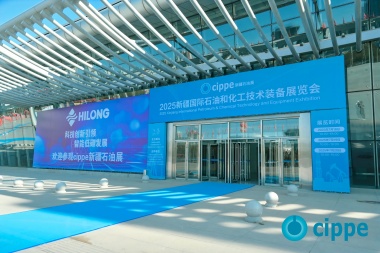
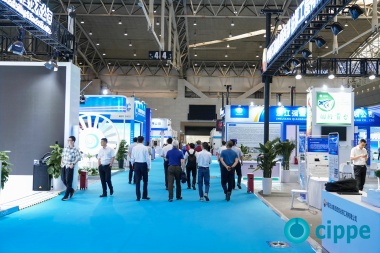
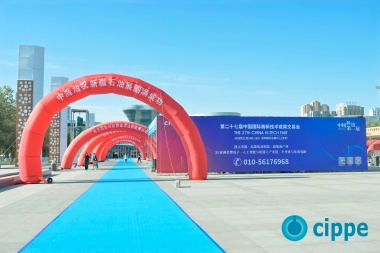
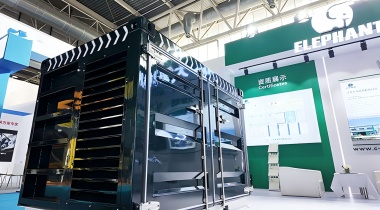
At this event, we showcased our DS200 triplex pump, DW400 quintuplex pump, and DXBH-66 intelligent unmanned pump skid, and discussed cutting-edge reciprocating pump technology in the petroleum industry with attendees.
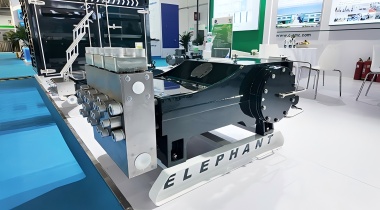
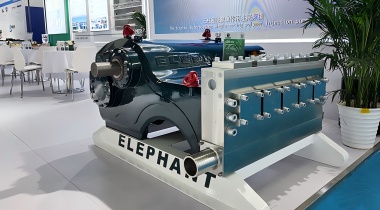
On the first day of the exhibition, a long line formed at the Elephant Machinery booth, attracting many domestic and international visitors to stop and chat.
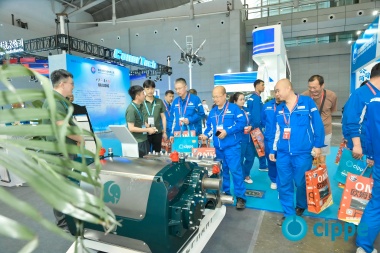
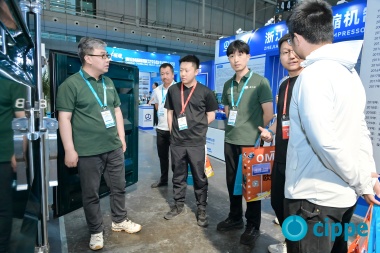
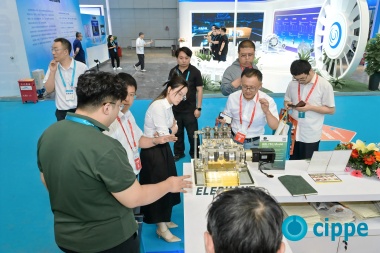
As a key hub along the Belt and Road Initiative, Xinjiang serves as a “super transit hub” for Elephant Machinery to expand its reach into Central Asia, Eastern Europe, and North Africa.
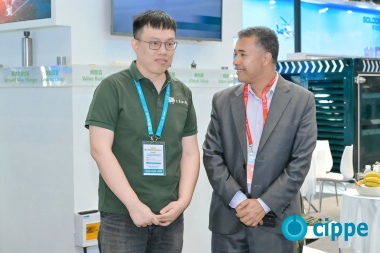
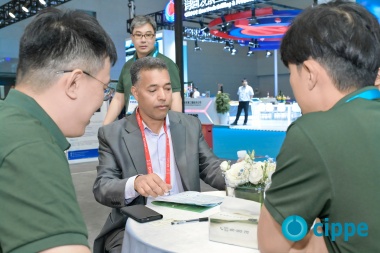
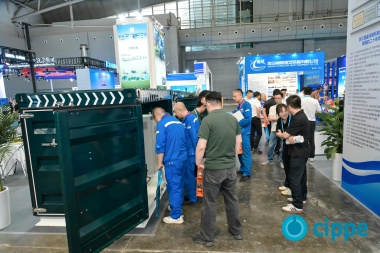
Elephant Machinery is committed to building a world-class brand in reciprocating pumps, adhering to the principle of “product is king,” and deeply engaging in the energy infrastructure market along the Belt and Road Initiative to support the thriving development of global oil and gas exploration and production. The company continuously updates and improves its products, dedicated to providing global customers with more convenient, reliable, efficient, and intelligent reciprocating pump solutions.
What is the difference between a jet pump and a plunger pump?
The jet pump and the plunger pump are two different types of pumps, with the main differences reflected in the following aspects:
1.Working Principle
-
Jet Pump: It is a fluid pressurization device that primarily utilizes high-pressure working fluids (water, air, steam) to generate a high-speed jet through a nozzle, which enters a high-pressure chamber, thereby increasing the pressure to meet operational requirements. It relies entirely on the dynamic motion between fluids. It has strong self-priming capability and can handle gas-liquid mixed fluids.
- Plunger Pump: The motor drives the pump's crankshaft to rotate via large and small pulleys and a narrow belt. The crankshaft then drives the connecting rod and plunger to perform reciprocating motion. When the plunger moves backward, the inlet valve opens, allowing liquid to enter the pump body until the plunger reaches its rearmost position (180° rotation of the crankshaft), completing the suction process. The plunger then begins to move forward, compressing the liquid in the pump's valve chamber, increasing the pressure. As a result, the inlet valve closes, and the discharge valve opens, allowing the liquid to be pushed out by the plunger through the discharge valve. The flow rate can be adjusted by changing the size of the plunger.
2.Structural Differences
-
Jet Pump: Simple in structure, primarily generates power through fluid movement, with lower maintenance costs in the long run (no vulnerable parts) and lower sealing requirements.
-
Plunger Pump: Mainly generates power through the reciprocating motion of the plunger. Compared to the jet pump, it has higher long-term maintenance costs and extremely high sealing requirements to prevent plunger leakage.
3.Application Scenarios
-
Jet Pump: Deep well water extraction, chemical industry (capable of transporting corrosive media,etc).
Plunger Pump: High-pressure cleaning, petroleum industry (mud pump, water injection pump, etc.), water well drilling, etc.
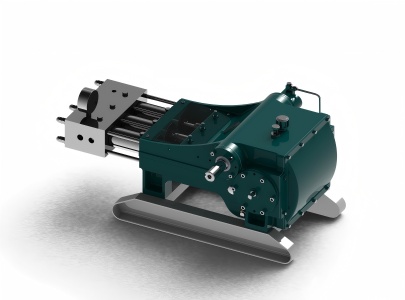
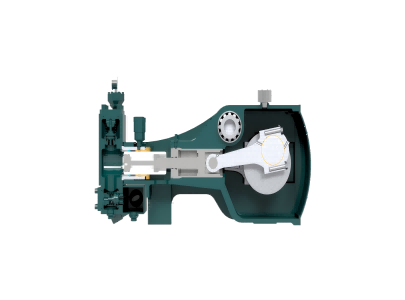
The jet pump primarily relies on hydrodynamic force for operation, making it suitable for simple working conditions and offering corrosion resistance. On the other hand, the plunger pump operates through the reciprocating motion of a plunger, making it ideal for high-pressure, high-efficiency, and stable-flow applications. You can choose the appropriate pump based on different working conditions and requirements. Elephant Machinery offers both plunger pump and jetting pump in our product lineup. Visit our website (www.elephantmudpump.com) to select the product you need—we will be your trusted partner!
Glass Color Sorter Empowering Recycling Resource Sorting
In today's era of increasing resource recycling and environmental awareness, glass color sorters, as highly efficient and intelligent sorting equipment, are being widely applied in the recycled glass recovery sector. They enhance sorting precision and efficiency, propelling the industry towards greater intelligence and sustainability.
What is a Glass Color Sorter?
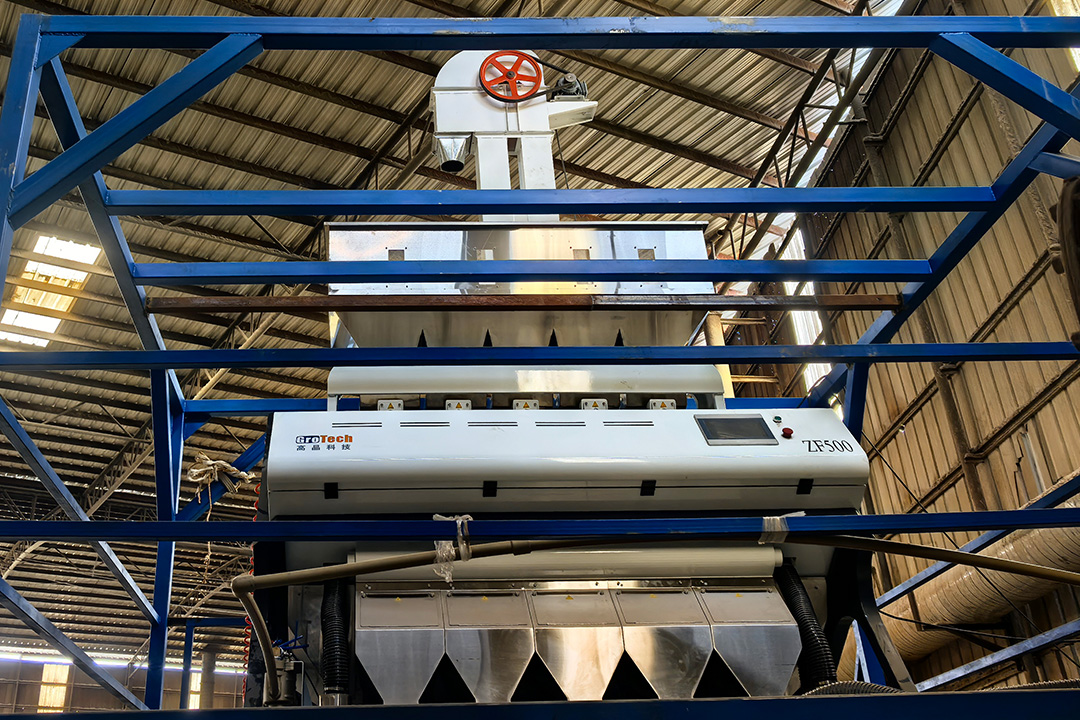
A glass color sorter is an automated sorting device that utilizes photoelectric recognition technology to identify the color, impurities, and shape of crushed glass. It employs high-speed cameras to capture image data, combined with AI image recognition algorithms and an ejection valve system. This enables the precise removal of glass of different colors or containing impurities, ensuring product purity.
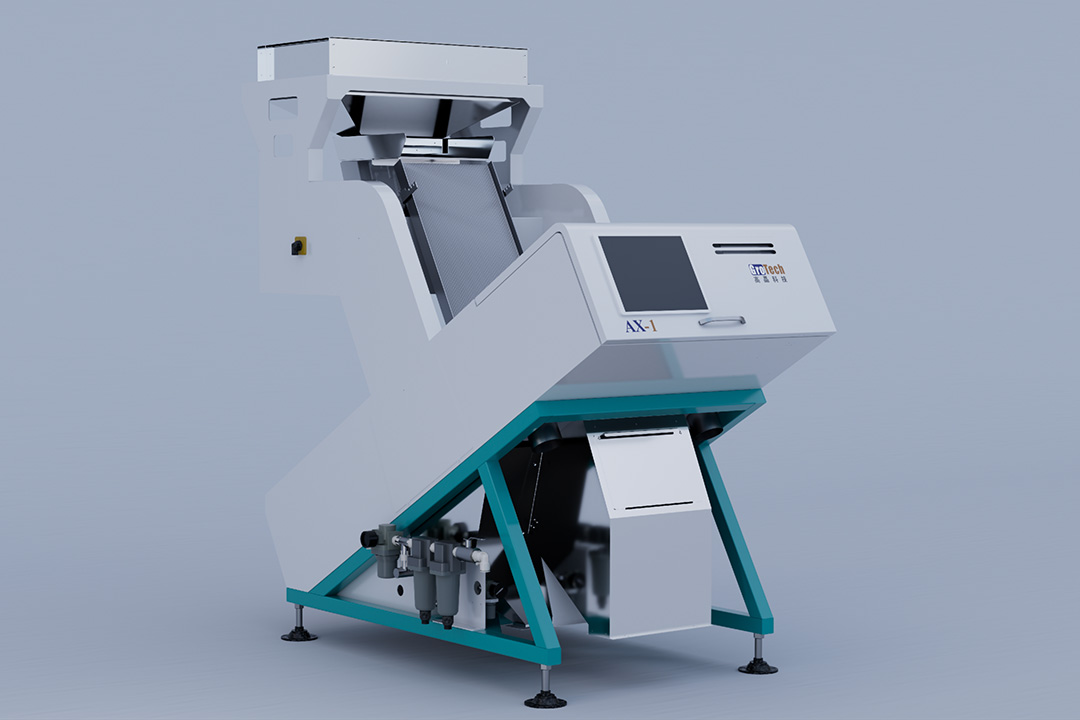
Key Functions and Advantages of Grotech Glass Color Sorters
-
High-Precision Recognition: Utilizes advanced CCD cameras and AI algorithms to identify various colored glasses (transparent, green, brown, etc.) with an accuracy rate exceeding 99%.
-
Impurity Removal: Efficiently identifies and removes non-glass impurities like ceramics, metals, plastics, and paper, significantly improving recycled glass quality.
-
Strong Adaptability: Suitable for processing crushed glass particles ranging from 0.2mm to 50mm in size, meeting diverse process requirements.
-
Intelligent & Simple Operation: Features a touchscreen control panel and user-friendly interface. Supports one-touch intelligent adjustment and an automatic cleaning system for easy maintenance.
-
Energy Efficient & High Output: Scientifically designed valve layout, fast air jet response, low energy consumption. Processing capacity ranges from 2 to 10 tons per hour (depending on model).
Wide Range of Applications
Glass color sorters are extensively used in:
-
Waste glass recycling stations
-
Recycling resource processing plants
-
Beer bottle and beverage bottle crushing lines
-
Construction glass and automotive glass recovery systems
Through intelligent sorting, they effectively enhance the purity and economic value of recyclables, reduce labor costs, and lessen the burden on environmental processing.
GroTech Plastic Color Sorter Precision Meets Efficiency
Driven by carbon neutrality goals and the growth of the circular economy, the plastic recycling industry is entering a new era of transformation. One major challenge stands out: how to sort complex and diverse plastic waste with high precision, efficiency, and intelligence. GroTech, a leading technology company based in Hefei, China, has risen to this challenge with its specialized plastic color sorter, offering a revolutionary solution for plastic recycling enterprises.
Precise Identification for Multiple Materials — Maximizing Purity
GroTech’s plastic color sorter features a self-developed multi-spectral recognition system that can accurately identify and separate common plastic types such as PVC, PET, PP, PE, and ABS. With the integration of high-resolution imaging and AI-based algorithms, the sorter distinguishes not only by color, but also by material and texture — achieving intelligent sorting of same-color-different-material or same-material-different-color particles.
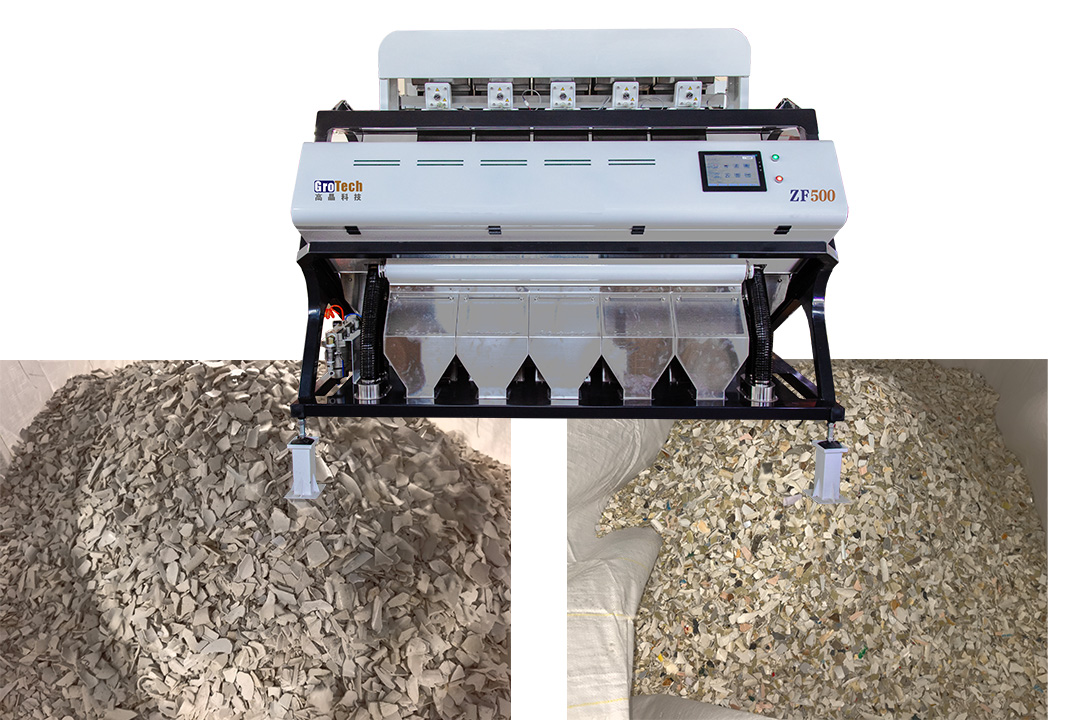
Whether dealing with industrial plastic scraps or post-consumer recyclables, the machine effectively detects and removes impurities, aged materials, and mixed-color particles — ensuring high purity, low loss, and high throughput.
Modular Design — Seamlessly Adapts to Diverse Production Lines
Designed with flexibility in mind, GroTech's sorter adopts a modular architecture, offering multiple channels, configurations, and capacity options. It supports both dry and wet sorting workflows, making it compatible with a wide range of production lines — with plug-and-play integration and minimal modifications required.
Intelligent System — Easy to Operate, Built for Stability
Equipped with an intuitive smart operating system and graphical interface, GroTech’s sorter allows for one-click start/stop, remote control,. Operators can be trained quickly, significantly reducing labor costs and simplifying maintenance.
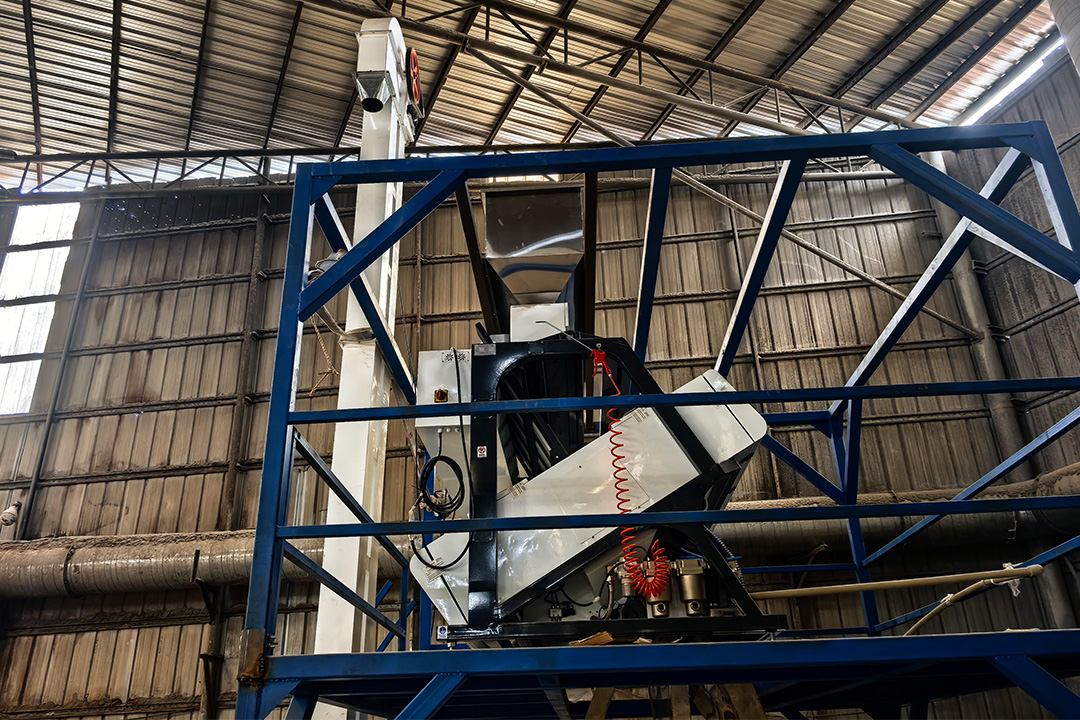
The machine is built with industrial-grade components, ensuring long-term stable performance even under 24/7 high-intensity operation — making it ideal for plastic pellet factories, recycling centers, and waste sorting stations.
Proven Results Across China — Trusted by Industry Leaders
GroTech’s plastic sorting solutions have been successfully deployed across numerous provinces in China, including Jiangsu, Zhejiang, Guangdong, Sichuan, and Shandong. Clients have reported dramatic improvements in sorting efficiency and product quality, helping them stay competitive in an increasingly demanding market.
Smarter Sorting for a Greener Future
As a leading innovator in optical recognition and intelligent equipment,GroTech is committed to advancing smart sorting technologies through continuous innovation and dedicated service. Looking ahead, the company will continue to empower the plastic recycling industry with more intelligent, efficient, and eco-friendly solutions — helping to build a sustainable future, one sorted particle at a time.
Maintenance and working principle of side-seal liquid packaging machine
Introduction:
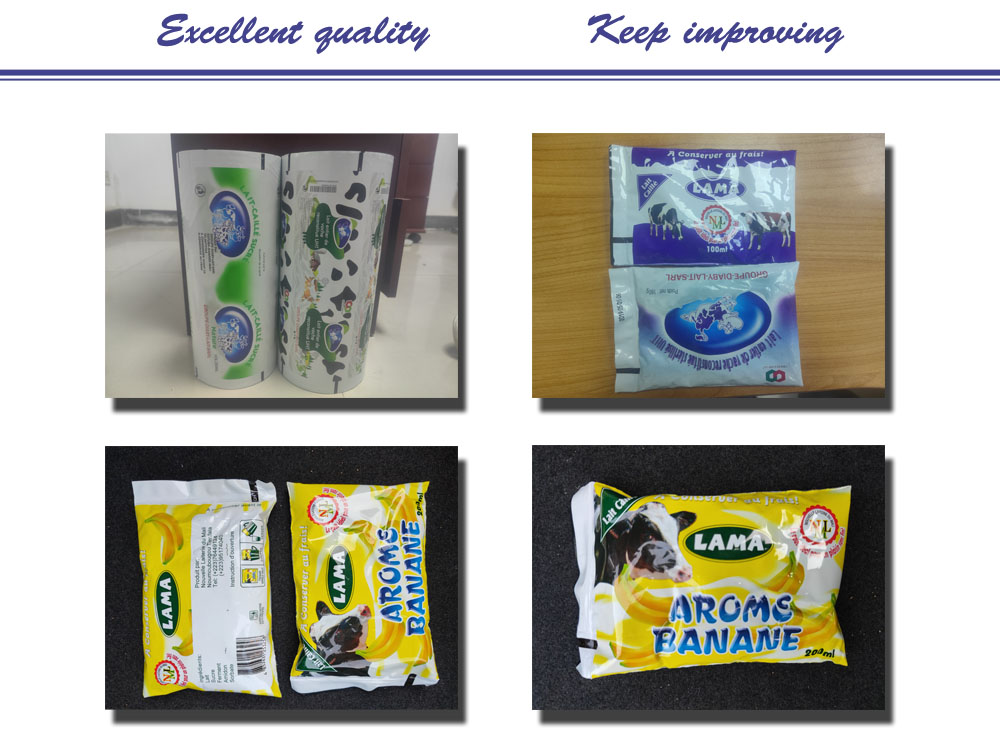
Side-seal liquid packaging machine is a key equipment in the packaging industry, mainly used to fill liquids such as yogurt, milk and juice into bag packaging. The working principle of this machine is to form the roll film into a bag shape and seal it while filling.
Working principle:
Film conveying and forming: The roll film is loaded onto the film roll and conveyed to the forming tube through a series of rollers and guides. The forming tube forms the flat film into a cylindrical shape, preparing for the subsequent filling and sealing process.
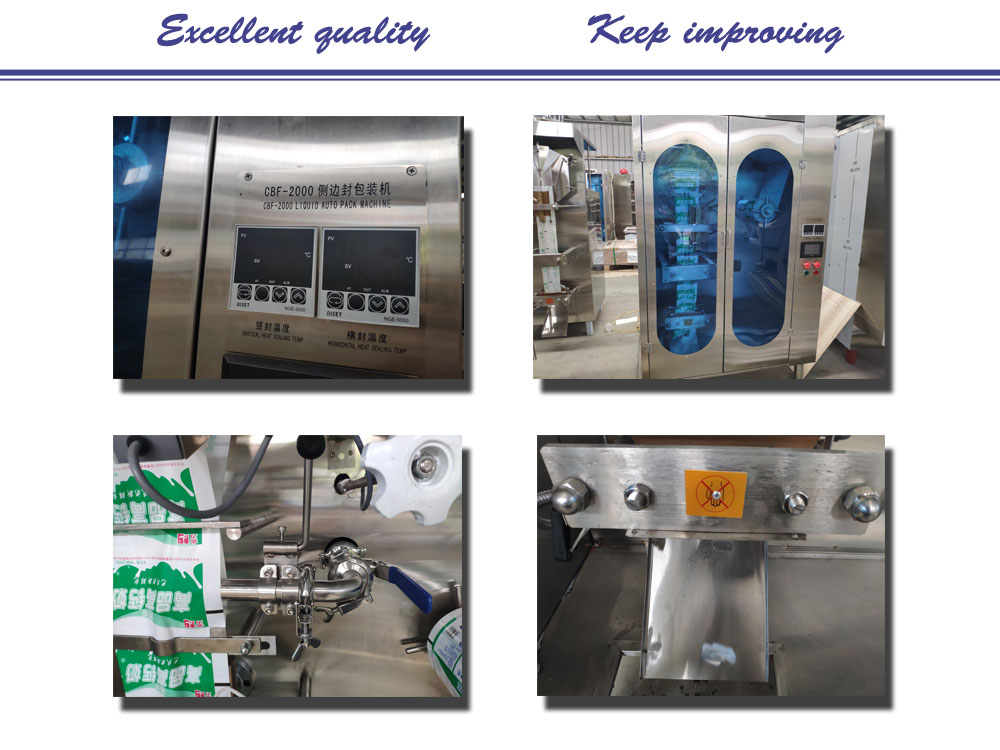
Filling and sealing: As the pre-formed film roller moves forward, the filling nozzle accurately distributes the liquid product into the formed bag. At the same time, the sealing mechanism, which usually consists of upper and lower sealing rods equipped with heating elements, applies heat and pressure to seal the edges of the packaging bag. The sealing process is carried out on both sides of the packaging bag, hence the name "side sealing". Sealing parameters such as temperature, pressure and time can be precisely controlled to ensure a strong and leak-proof seal.
Maintenance:
Daily cleaning: After each production, thoroughly clean the internal and external surfaces of the machine, especially the filling area, sealing rod and film conveying path. Remove any residual liquid, dirt or packaging material to prevent contamination and potential failures in subsequent operations. Use a clean soft cloth or suitable cleaning agent to ensure that electrical components are not corroded by moisture.
Lubrication: The milk packing machine needs to regularly lubricate the moving parts of the machine, such as gears, chains and linear guides, with recommended lubricants. Proper lubrication reduces friction, wear and tear, ensures smooth operation and extends the service life of the machine. Please follow the manufacturer's guidance on lubrication intervals and lubricant types.
Seal component inspection: Regularly check the sealing strip for wear, damage or residue accumulation. Clean the sealing surface and replace any worn sealing elements in time to maintain stable sealing quality. In addition, check the heating elements and temperature sensors to ensure precise temperature control.
Film feeding system adjustment: Monitor the film feeding tension and guide mechanism to ensure smooth and consistent film feeding. Adjust the tension control device and check the film guide device for any wear or misalignment, which may affect the film forming and packaging quality.
Electrical system inspection: Check electrical connections, wiring and control system components for any signs of damage, looseness or malfunction. Ensure that the machine's control panel, sensors and actuators are functioning properly to maintain accurate operation and safety.
Conclusion:
The yogurt packaging machine plays a vital role in the efficient packaging of liquid products. By understanding its working principles and implementing appropriate maintenance measures, operators can optimize machine performance, ensure stable packaging quality and extend its service life. Regular maintenance can not only avoid potential production downtime, but also ensure the safety and hygiene of packaged products, meeting the needs of the packaging industry and the expectations of consumers.