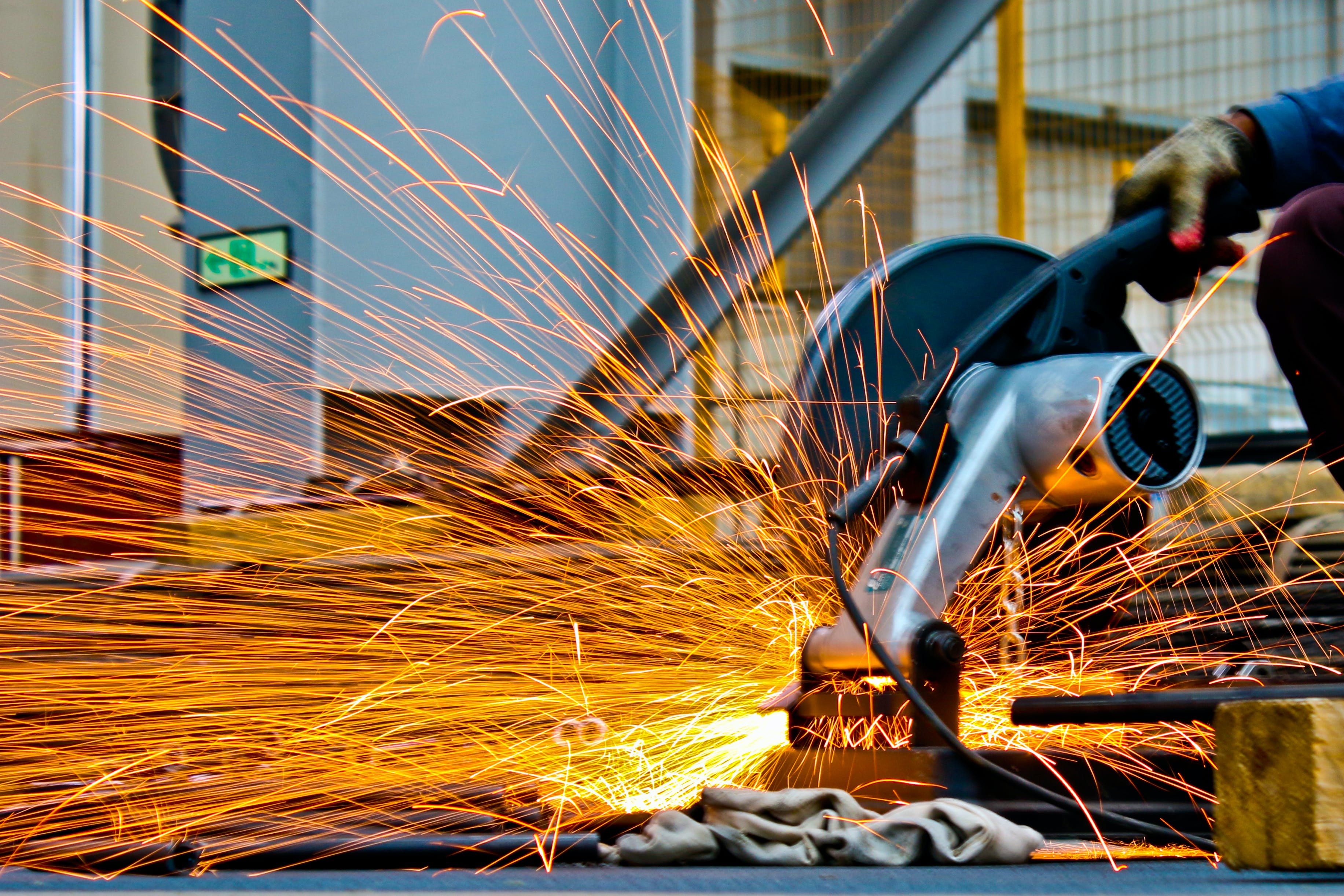
Selecting a suitable tiger shear is crucial for efficient metal recycling and processing. Here are some key factors to consider.
Clarify Your Needs
First, assess the type of materials you'll be shearing. Is it thin - gauge steel, thick metal plates, or various metal alloys? For instance, if you often deal with thick industrial - grade steel, you'll need a shear with high - tonnage capacity. Additionally, consider the volume of work. High - volume operations require a shear that can handle continuous use without frequent breakdowns.
Shearing Capacity
Tiger shears come in different tonnage ratings. The tonnage indicates the maximum force the shear can exert. To determine the right capacity, measure the thickness and hardness of the materials you'll be cutting. A general rule is that harder and thicker materials demand a higher - tonnage shear.
Blade Quality
The blades are the heart of the tiger shear. For regular use with common metals, high - carbon steel blades can be sufficient. However, if you're working with special alloys or very hard metals, invest in blades made of more durable materials, such as alloy steel or even imported blades, which can resist wear and maintain sharpness longer.
Optional Features
Some shears offer features like adjustable shear angles, which can be useful when you need to cut materials at specific angles. Others may have automated feeding systems, reducing labor and improving productivity. Consider whether these features align with your workflow and budget.
By carefully evaluating these aspects, you can choose a tiger shear that meets your needs, boosts productivity, and ensures long - term cost - effectiveness in your metal - processing operations.
What really happens when your car tires wear out? While recycled rubber gets new life as playground surfaces or mulch, a hidden hero remains buried inside: hair-thin steel wires. Here’s how these tiny metal threads get a second chance!
Why Save the Wires? Tires are more than just rubber. Steel wires woven into their structure provide strength and shape. These capillary wires (thinner than a pencil lead!) are pure, high-quality steel. Recycling them:
Saves raw iron ore mining
Uses 75% less energy than making new steel
Keeps tires out of landfills
But how do we extract wires trapped in rubber?
The Wire Rescue Mission: Three Simple Steps
Step 1: Shredding & Shaking Old tires are torn into small chunks. Powerful magnets grab larger steel fragments, but finer wires cling to rubber. Next stop: the steel spa!
Step 2: The Heat Treatment Rubber-coated wires enter a special high-heat oven. At 250°C–400°C:
Rubber burns away cleanly
Steel wires emerge bare and ready
Harmful fumes are filtered for safety
Step 3: Magnet Magic Strong magnets pull the freed wires from ash and dust. Air jets give them a final cleanup. Now pure and shiny, they’re bailed into metal cubes.
New Life for Old Wires These rescued steel bundles head to mills where they’re:
Melted into fresh steel ingots
Rolled into reinforcement bars
Used in construction, machinery, or even new tires
Why This Tiny Effort Matters
Eco-Win: Recovering just 1 ton of tire steel saves 1.5 tons of iron ore and cuts CO₂ emissions drastically.
Economic Bonus: Steel wire recycling makes tire processing profitable—encouraging more recycling.
Everyday Impact: That bridge you cross or playground mat your kids use? Recycled tire steel and rubber are likely inside!
The Bigger Picture Tire recycling isn’t just about rubber. Those nearly invisible wires prove that every scrap has value. With up to 70% of a tire’s steel recoverable, this quiet recycling hero helps build a greener world—one thread at a time.
Next time you replace tires, remember: you’re not discarding rubber. You’re returning steel to the cycle.
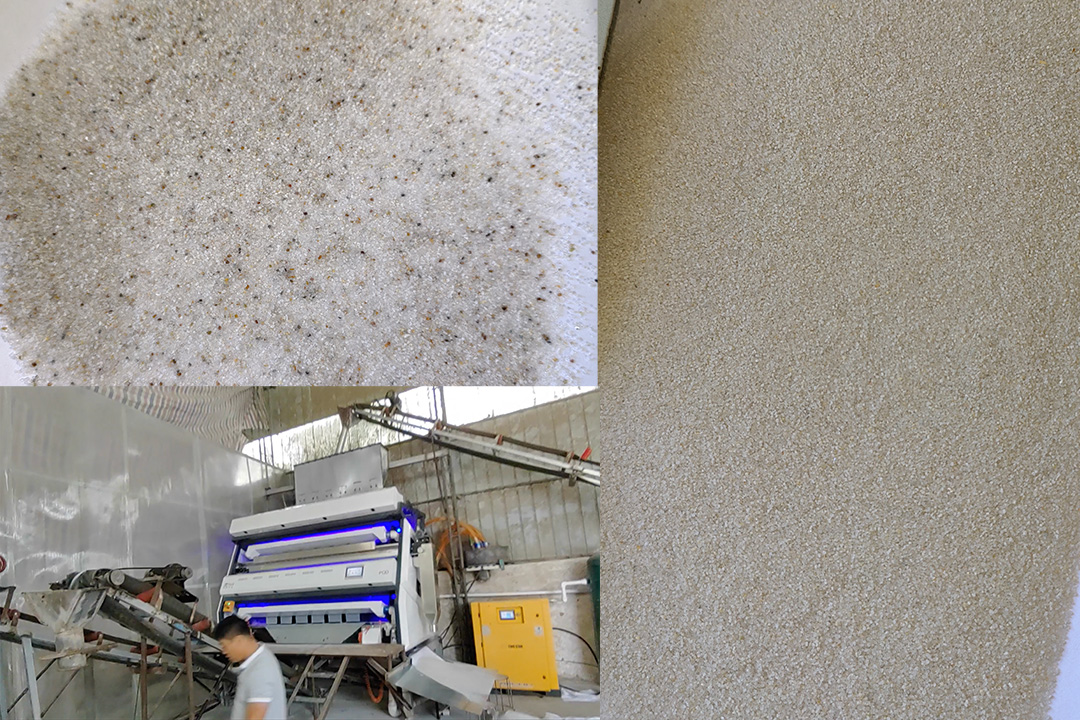
In today’s fast-evolving mining industry,smart ore processing is key to boosting quality, reducing costs, and minimizing environmental impact. TheGroTech Mineral Color Sorter series is designed specifically for the challenges ofore sorting, offering high-precision, AI-powered solutions for a wide range of applications—from fine quartz sand to large magnesium ore, including innovative wet sorting options.
Whether you're processing powdered, granular, or blocky materials, GroTech delivers anext-generation mineral sorting experience built for efficiency, flexibility, and purity.
What Is a Mineral Color Sorter?
A mineral color sorter uses high-resolution cameras and AI algorithms to detect color differences, impurities, and texture inconsistencies in ore materials. Once detected, unwanted materials are automatically removed by high-speed ejector valves.
GroTech Mineral Color Sorters are built with industry-leading technologies, offering key advantages:
Ultra-HD Imaging: Detects tiny color variations (≥0.01 mm) with industrial-grade CCD cameras.
AI Deep Learning Algorithms: Automatically adjust to material variations for highly accurate sorting.
Fast and Stable Ejector Valves: Capable of over 30,000 ejections per second for maximum throughput.
Versatile Material Compatibility: Works across powders, grains, and large ore blocks without manual adjustment.
Quartz Sand Sorting: Precision in Fine Powder Ore Processing
In high-purity applications such asglass, electronics, and photovoltaics, quartz sand must be meticulously sorted. GroTech’s mineral color sorters offer outstanding performance forfine ore sorting and classification:
Multi-size Adaptability: Sorts quartz sand from10 mesh to 325 mesh with precision.
Impurity Removal: Eliminates iron impurities, yellow spots, dark particles, and other color-based defects.
Integrated Grading: Performs size grading and impurity rejection in one pass.
Moisture-Compatible: Effectively handles slightly wet or clumped sand with consistent accuracy.
Large Ore Sorting: Efficient Screening for Magnesium and Other Blocky Ores
Sorting large mineral blocks such asmagnesium ore, limestone, or fluorite presents unique challenges. GroTech provides a powerful solution designed forlarge ore particle sorting:
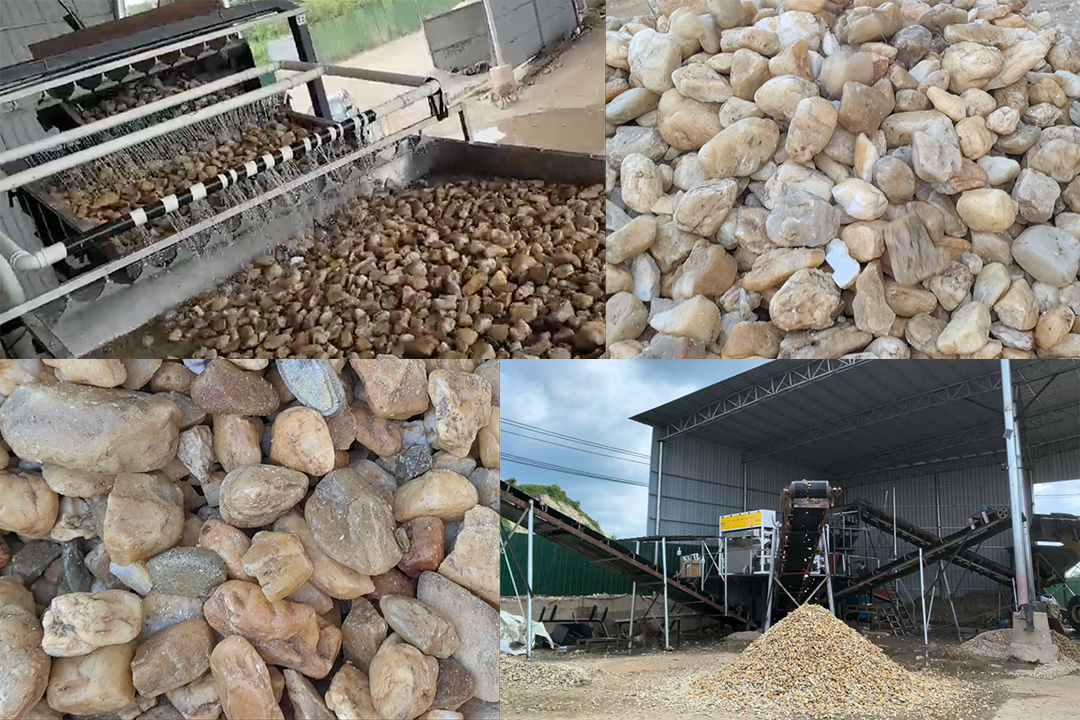
Widebelt Design: Supports ore sizes ranging from 20 mm to 150 mm.
Deep Defect Detection: High-intensity LED lighting and AI vision detect structural issues like layering or dark spots.
High Throughput, Low Waste: Processes large volumes with low false rejection rates
Robust Construction: Designed for rugged industrial environments, with easy maintenance access.
Wet Sorting Breakthrough: GroTech’s Innovative Water-Washable Mineral Color Sorter
Traditional color sorters struggle with wet or muddy materials. GroTech solves this with a game-changing innovation: thewater-washable mineral color sorter, designed forreal-time wet sorting in mineral washing environments
Simultaneous Washing and Sorting: Sorts materials in real-time while being washed.
Fully Waterproof and Corrosion-Resistant: Suitable for long-term operation in humid or wet environments.
Ideal for Clay, Kaolin, Sea Sand, and Washed Quartz: Ensures cleaner output with fewer processing steps.
Reduces Manual Handling: Saves labor and improves environmental compliance.
You’ve probably come across a industrial diesel generators before, even if you didn’t realize it at the time. That low, constant hum near a hospital during a blackout, or that chunky machine on a construction site powering everything from drills to floodlights? Yep, that’s likely a diesel genset. But how do they actually work? And why are they still everywhere—even in the age of solar panels and lithium batteries?
Let’s take a closer look, and keep it simple.
So, How Do Diesel Generators Actually Work?
Okay, think of a diesel generator as a combo: one part is the engine (which burns diesel fuel), and the other part is the alternator (which turns movement into electricity). When the engine runs, it spins a shaft—this movement gets passed into the alternator, which uses magnetic fields to create electric current.
Sounds kind of magical, but it’s just physics doing its thing.
Now, the process begins with air being compressed inside the engine cylinder. When diesel fuel is sprayed in, it ignites from the heat caused by compression alone—no spark plug necessary. This tiny explosion pushes the piston down, which, in turn, rotates a crankshaft.
That’s the mechanical part done.
From there, the alternator—basically a big electromagnetic rotor—spins and produces electricity. The result? Usable power that can light up a building, run heavy tools, or even keep a data center going.
But... Why Diesel? Isn’t That Dirty?
It’s true that diesel isn’t the cleanest energy source, and that topic gets a lot of attention lately. But here’s the thing: diesel engines are really efficient. They can run longer on the same amount of fuel compared to gasoline engines, especially under high loads. They also last longer, generally speaking.
Plus, modern diesel gensets are getting cleaner. Emission standards are tighter now. Some units even include filters or tech that helps reduce particulate matter and NOx.
So yeah, not perfect—but reliable, which is sometimes more important, especially during emergencies.
Where Do People Use Diesel Generators Most Often?
I’ve seen these machines in more places than I can count. And their uses go far beyond just backup power. Here’s a breakdown—though this list isn’t exhaustive, of course.
Hospitals
Let’s start here because it’s critical. When the power goes out, life-support equipment can’t stop for even a minute. Most hospitals have big diesel gensets in their basements or rooftops. The second the grid fails, these fire up automatically. Pretty impressive.
Construction Sites
Until a building gets connected to the power grid, workers still need electricity—for cranes, mixers, lighting, and more. Diesel gensets are portable and powerful enough to handle all that.
Data Centers
Ever heard of “uptime guarantees”? Data centers live and die by them. If the grid drops, backup diesel-powered generator kick in to avoid costly downtime and potential data loss. They may test-run weekly just to stay ready.
Rural or Remote Areas
In places where power infrastructure doesn’t reach—or is too unstable—diesel becomes the main power source, not just a backup. I’ve seen small clinics, remote schools, even farms that rely entirely on generators for daily needs.
Outdoor Events & Festivals
From weddings in vineyards to three-day music festivals in open fields, everything runs on generators. Lighting, food stalls, sound systems—you name it.
Despite the rise of cleaner alternatives, silent diesel generator remain a core part of our energy backup infrastructure. The newer ones are quieter, more efficient, and better for the environment than their predecessors.
They might not be the future forever—but they’re absolutely essential for now.
Ghana’s industrial heartbeat thrives on reliable energy. Yet grid instability remains a critical challenge, costing manufacturers productivity and revenue. When one of Accra’s leading metal fabrication plants faced escalating downtime, they turned to Besten. We didn’t just deliver a generator – we engineered resilience. This is how a 500kW silent-type diesel generator with a robust Weichai engine became their operational lifeline, proving that intelligent power solutions can transform Africa’s industrial landscape.
The Reliability Equation: Beyond Basic Power
Traditional generators often fail Africa’s unique demands. Humidity corrodes components. Noise regulations restrict urban deployment. Intermittent operations strain engines. Our Ghana client needed more than kilowatts – they needed predictability.
Besten’s solution combined three key pillars:
1.Weichai Engine Durability: Tier 3-compliant technology optimized for high-ambient performance and 30% lower fuel consumption than older models.
2.Silent Operations: 75 dB(A) soundproofing allowed installation 100m from residential zones – impossible with standard generators.
3.Seamless Integration: Auto-transfer switches synchronized with existing systems, eliminating even 5-second interruptions during grid failure.
Why Silence Matters: Industry Meets Community
Africa’s industrial corridors often border communities. Noise pollution strains relationships and triggers shutdowns. Besten’s acoustic canopy technology ensured compliance with Ghana’s EPA standards while protecting social license to operate. The difference was tangible:
1.Plant workers could communicate without shouting
This reinforced a vital truth: sustainable industry requires solutions respecting both production lines and neighborhoods.
The Weichai Advantage in High-Stakes Scenarios
When the generator faced its ultimate test – an 11-hour grid failure during peak production – the Weichai engine delivered flawless performance. Engineered for continuous duty cycles, it maintained voltage stability within 0.5% variance under full 500kW load. Remote monitoring sensors gave engineers real-time diagnostics, preventing 3 potential issues before escalation. Post-event analysis showed zero derating despite 37°C heat – critical for African installations where temperature derating typically reduces usable capacity by 15-20%.
As Besten ships solutions from Nigeria to Mozambique, we’re standardizing features proven in Ghana: locally adaptable engineering, full-scope logistics, and partnerships with tier-one engine suppliers like Weichai. Because empowering Africa’s factories strengthens its economic sovereignty – one silent, reliable kilowatt at a time.
Discarded tires pose a massive global challenge, contributing to fire risks, health hazards, and landfill overflow. Fortunately, advanced Tire Recycling Lines offer a powerful solution, transforming these end-of-life burdens into valuable resources and driving a true circular economy.
1.Primary Shredding: Whole tires are fed into powerful shredders, equipped with heavy-duty hammers or shears, breaking them down into manageable fragments.
2.Steel Liberation: Strong magnets efficiently extract embedded steel belts and bead wires. This recovered steel is sent for recycling.
3.Secondary Granulation: The rubber shreds move to high-speed granulators that further reduce them into smaller rubber chips.
4.Fiber Separation: Advanced separation systems meticulously remove leftover textile fibers, ensuring the purity of the rubber stream.
5.Crumb Production: Specialized cracker mills shear and grind the chips down into versatile rubber crumb, ranging in size from coarse granules to fine powder.
6.Final Refinement: Sophisticated screening and separation techniques ensure the crumb is contaminant-free and optimized for its next application.
The Value of Recycled Rubber
Ground Rubber: Widely used as safe, shock-absorbing infill for artificial turf sports fields and playgrounds, and in durable rubber tiles or paving. It's also a key component in rubberized asphalt, creating quieter, longer-lasting roads.
Manufacturing: Crumb finds its way back into new molded rubber products and even industrial components, reducing the need for virgin materials.
Environmental Protection: Diverts tires from landfills, prevents fire hazards, and reduces mosquito breeding grounds.
Resource Conservation: Recovers valuable steel and high-quality rubber, saving raw materials and energy compared to producing new materials.
Economic Opportunity: Creates jobs and provides industries with cost-effective, sustainable feedstock.
Conclusion
Tire recycling lines are essential technological solutions for tackling the global tire waste crisis. By efficiently recovering steel and transforming rubber into versatile crumb, they convert a significant environmental burden into valuable commodities. This process truly gives tires a productive and sustainable second life, powering everything from safer playgrounds to longer-lasting roads. It's a powerful testament to innovation enabling a more circular future.
Since their invention in 1959, aluminum cans have revolutionized packaging with their strength, affordability, lightweight design, and aesthetic appeal. Today, they are ubiquitous across industries—from beverages to cosmetics. But what truly sets them apart is their extraordinary recyclability. Recycling aluminum cans isn’t just eco-friendly; it’s a powerhouse of efficiency. For example, recycling one ton of aluminum saves 14,700 kg of CO₂ emissions and uses only 4.86% of the energy required to produce new aluminum. Let’s break down how this process works and why it matters.
Step-by-Step Recycling Process
1.Crushing: Used cans are first crushed to break down their original shape. This step prepares them for paint removal and increases surface area for efficient melting.
2.Paint Removal:
Crushed cans enter a de-painting kiln, where high temperatures (or chemical agents) strip away paint, glue, and coatings. This prevents toxic fumes during melting and ensures pure aluminum output.
3.Compacting:
Thin, crushed cans are compressed into dense bales. This reduces surface area, minimizing oxidation and metal loss during melting. A single bale can weigh over 500 kg.
4.Smelting:
Bales are melted in furnaces at 700–750°C, transforming into molten aluminum. Impurities are skimmed off, and alloys (e.g., magnesium or copper) may be added to meet product specifications.
Smelted aluminum is cast into ingots, resembling "cooked aluminum." These serve as raw material for new cans or other products, reducing reliance on mined bauxite.
2.Alloy Production:
Recycled aluminum is blended into alloys like 5052 (can lids) or 5182 (pull tabs). Its high magnesium content makes it ideal for strong, corrosion-resistant alloys.
3.Mixed Aluminum Ingots:
Lower-grade scrap aluminum is combined with recycled cans to produce hybrid ingots for non-critical components like automotive parts.
4.Steel Deoxidizers:
Aluminum powder from cans removes oxygen during steel production, improving metal purity and reducing defects in final products.
5.Low-Grade Aluminum Powder:
Decoated cans are processed into powder for fireworks, paints, or construction materials.
Conclusion: Small Can, Big Impact
Aluminum cans are the superheroes of recycling—infinitely reusable without quality loss. By tossing cans into the recycling bin, we power a cycle where waste becomes resources, emissions plummet, and packaging stays sustainable.
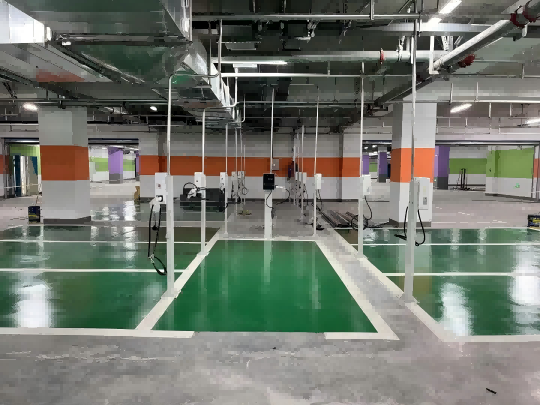
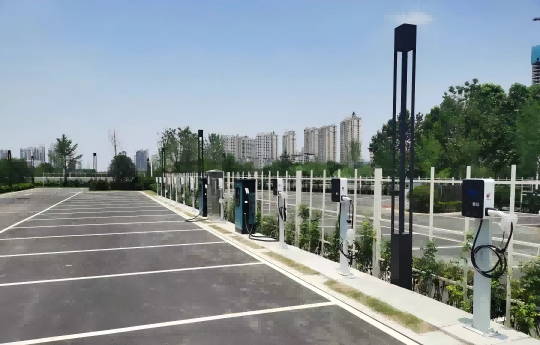
With the rapid development of the new energy vehicle industry, the demand for charging piles is growing. Whether it is a shopping mall, a community or a charging station, efficient and reliable charging equipment is indispensable. Today, we would like to introduce to you a smart charging pile designed for the investment, construction and operation of charging stations - the Keda Nengtong 7kW operating AC charging pile.
USTEU Investment, construction and operation, applicable in multiple scenarios
1. Shopping malls
Introducing USTEU AC charging piles in the shopping mall parking lot to provide charging convenience for customers. While customers are shopping and enjoying food, their vehicles can also be charged simultaneously. Achieving seamless connection between parking and charging saves customers’ time, improves the comprehensive service level of the shopping mall, and can effectively drive customer flow growth and promote consumption vitality.
2. Community
Installing USTEU AC charging piles in the community can meet the daily charging needs of owners and solve the problem of charging electric vehicles. It can improve the level of community supporting facilities and enhance owner satisfaction.
3. Office Parks
Installing charging piles in office parks can provide convenient charging services for employees, solve the charging problem of commuting electric vehicles, improve employee happiness, and also attract more companies to settle in.
4. Tourist attractions
Installing USTEU charging piles in parking lots of tourist attractions can provide charging services for electric vehicle users who drive themselves, improve the service level of the scenic area, and attract more tourists.
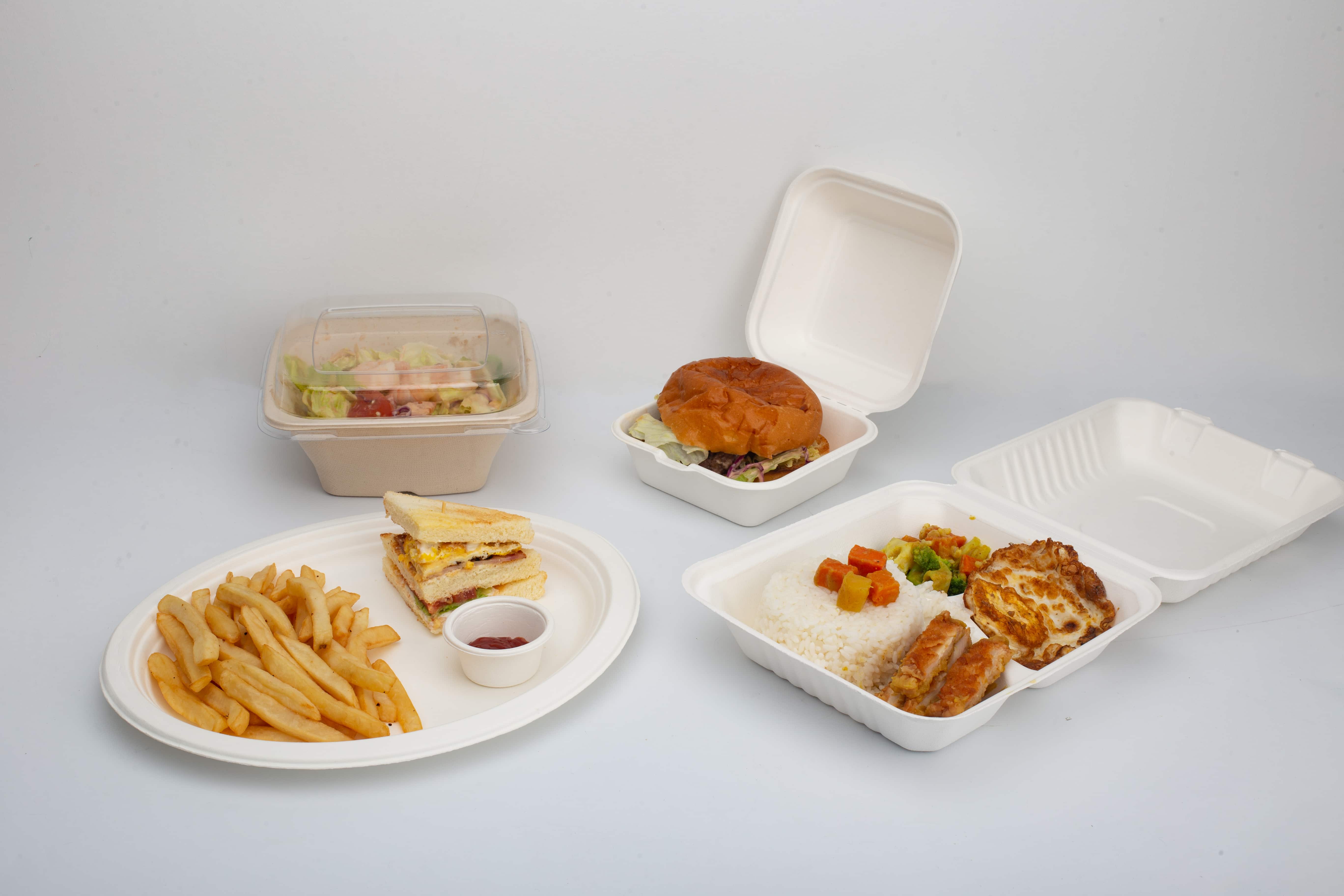
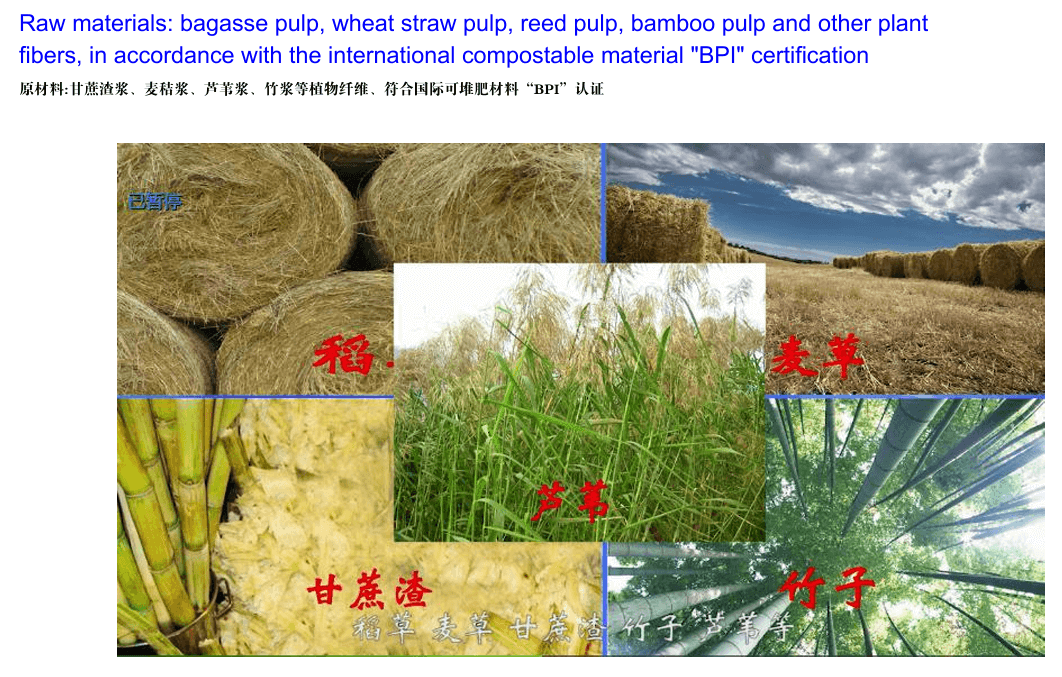
And it affect our life .Paper cups,paper bowl ,paper pulp food container..
Introducing our revolutionaryDisposable Paper Tableware - the perfect combination of convenience and sustainability!
Say goodbye to traditional tableware and hello to a more eco-friendly option that only makes your life easier but also helps protect the environment. Our Disposable Paper Tableware is not just a trend, it's a lifestyle choice that will have a positive impact on the world around us.
From stylish paper plates to durable paper cups, our range of disposable tableware is designed to meet all your needs. Whether you're hosting a party, enjoying a picnic in the park, or simply looking for an easy clean-up solution, our products are here to make your life simpler and more convenient.
Ditch the hassle of washing dishes and switch to our Disposable Paper Tableware today. Join the movement towards a greener future and experience the benefits for yourself. Make a statement with your choice and show the world that you care about both style and sustainability. Choose our Disposable Paper Tableware and let it function on life in the most efficient and impactful way possible.
Milling requires a choice between control and craftsmanship. Both CNC and manual machines cut, but only different. Which one is up to you, based on the project’s needs?
CNC milling provides speed, accuracy, and repeatability. You click a button, and the code dictates each step. It can’t be beaten for big runs and tight specs.
Hands-on milling allows you to feel, control, and be flexible. You are manual and react in real time. For prototypes or repairs, it’s still a shop necessity.
Both machines have the same purpose of shaping metal, but your goals determine the choice. In this guide, we will discuss how they are different and what they are best at.
What is CNC Milling?
CNC milling is a computer-controlled procedure. A rotating tool cuts material from a workpiece. The computer has a set of instructions for each cut.
Three to five axes can be worked on by CNC milling. This allows the machine to make intricate shapes and perfect cuts. It is applied by industries including aerospace, automotive, and electronics.
Different materials, like metals and plastics, can be processed through CNC milling. It is a rapid, accurate, and reproducible process. It is perfect for manufacturing complex parts with exact specifications.
Benefits of CNC Milling
High Precision and Accuracy
CNC milling provides tight tolerances and accurate cuts. The machine does what it has been taught to the letter. This minimizes errors and makes each part fit to specifications.
You get consistent, high-quality results. There are no variations of parts, all parts being equal. Such precision is imperative for aerospace components and medical devices.
Increased Productivity and Efficiency
CNC milling minimizes labor and increases production. The machine operates automatically, continuously, and consistently. This enhances output at reduced labor cost.
It is possible to operate several machines at a time, hence productivity is enhanced. Downtime is also minimized, which translates to more parts in less time through CNC milling.
Complex Shapes Made Easy
CNC milling is good at building complex shapes. It is easy to achieve high-resolution cuts, holes, and contours. It does not struggle with either elementary or complex designs.
Unlike manual milling, CNC machines can handle 3D geometries. This makes CNC milling perfect for intricate, unique parts.
Reduced Human Error
Manual milling requires a lot of human manipulation. Human error can cause errors and waste of materials. CNC milling takes the risk out of this process by automating it.
The machine obeys the programmed instructions accurately all the time. This consistency translates to fewer defects and better product quality, we spend less time and money.
Works with Many Materials
CNC milling can process numerous materials. Regardless of whether it is metal, plastic or composite, the machine can adjust with ease. For each type of material, settings can be altered in various settings.
This makes CNC milling flexible for many industries. You can make parts from materials that have different hardness or complexity. CNC milling is flexible to almost any project that you require.
When To Choose CNC Milling Operation
1. If precision and accuracy are important for your parts, choose CNC milling.
2. Use CNC milling if you have complex shapes or designs that cannot be handled by manual machines.
3. CNC milling is applicable when you find yourself in a situation where you ought to produce parts in large quantities, where quality is the same.
4. If you need to avoid human error and materials wastage, then CNC milling is the best choice.
5. Such industries as aerospace, automotive, and medical are where CNC milling is perfect due to very close tolerances.
6. CNC milling is a process that enters into its own if you need to use lots of materials, from metals, plastics to composites.
7. Choose CNC milling if you do not want to sacrifice quality in a bid to speed up production.
8. It is also appropriate where you need to be flexible in your designs, in which one can adjust or change during the production process.
What Is Manual Milling?
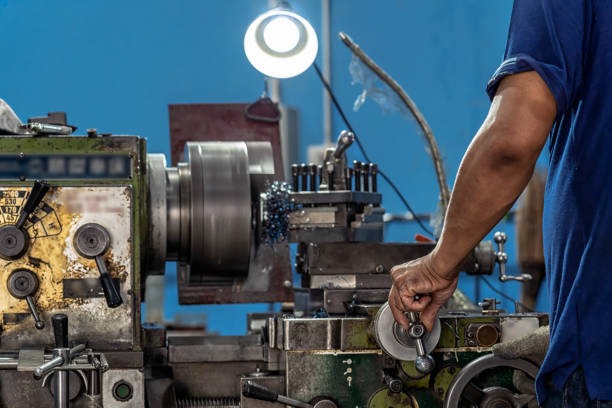
Milling is a machining process that is made in a manual operation where the movement of the cutting device and the workpiece is controlled manually by the hand. In contrast to the CNC milling which is automated, manual milling requires skills of the operator to set the machine and the guide the tool.
In the case of manual milling, the operator moves the work piece over the bed of the machine while the cutting tool rotates to remove the material. The operator has manual control over the feed rate, cutting depth, and tool changes which allows for accuracy of cuts without attention from the operator.
Manual milling is a representative method for small series, repair work, or special components that do not benefit from the automation of CNC machines. It’s effective for ordinary tasks, and flexibility begins to play its part, but with an expert operator for the best outcome.
Pros of Manual Milling
1. Cost-Effective for Small Runs: Manual milling machines are also cheaper to purchase as compared to CNC machines. Therefore, it is good for small production runs or one-off parts.
2. Flexibility: You are in total control of the process. This makes it easy for you to make adjustments and customizations during production.
3. No Need for Programming: Unlike CNC Milling, there is no need to use complex programming. So, it is easier to initiate a project without software.
4. Skill Development: Working on a manual mill improves machining abilities and understanding of the machining process, which is beneficial for hands-on engineers.
Cons of Manual Milling
1. Slower Production Speed: Manual milling is more operator-dependent. Thus, it is slower compared to automated CNC milling, particularly for large quantities.
2. Higher Risk of Human Error: Since the operator inadvertently adjusts the machine leaves room for mistakes like wrong measurements or feed rates.
3. Limited Precision: Although manual mills can do it with precision, they are less accurate and are not as repeatable compared to CNC mills, especially for complex parts.
4. Labor-Intensive: Manual milling is a labor-intensive process. It requires constant monitoring and exertion on the part of the operator. It often leads to high labor costs and operator fatigue on production runs that are extensive in their duration.
When To Choose Manual Milling?
● Use manual milling for low-volume production runs or individual custom parts that are not worth the price of a CNC machine.
● Go for manual milling when using simple designs that do not require complex shapes and high precision.
● Use manual milling if you need quick adjustments or tweaks during production because it lets you have direct control.
● If you have fewer resources or budgetary restrictions, manual milling can be a cheaper alternative to basic machining functions.
● Select manual milling for repairs or small projects that do not require massive amounts of incredibly detailed parts.
● Manual milling is suitable for when you want to build or enhance hands-on machining skills or know more about the process.
● If the project is flexible and involves adjustment of settings or tools on the fly, manual milling provides more hand-on control as compared to automated systems.
Major Distinctions Between Manual Milling and CNC Milling
CNC milling and manual milling may appear the same, but the differences are enormous. They affect your efficiency, part quality, as well as your shop’s flow.
Let us look at these differences in simple terms. The machine that you select is dependent on your needs and speed of results required.
Automation vs. Manual Control
CNC mills are controlled by pre-programmed code, which means that the tool can work perfectly without a single mistake. The speed, feed, and depth are controlled automatically by the machine. After setting, you load parts and monitor.
Automation enables you to work more machines or longer production cycles. CNC offers precision and repeatability, which translates to close tolerances on all parts produced.
Manual milling is hands-on. With your hands, you regulate the speed, feed rate and depth of cut of the tool. Every adjustment requires your attention. It's slower but offers flexibility.
When being on manual control, you act immediately upon wear of tools and changes in the material. This gives the manual mills a viable use in custom work or parts that are produced only once. However, it’s labor-intensive.
Complexity of Operations
CNC milling performs well in intricate and elaborate components. Without complex contours to 3D shapes, CNC machines do it all. The machine can also switch tools automatically and perform complex movements.
You do not need to work on the workpiece physically. Rather, it is programmed in advance for a number of operations and, thus, is suitable for a high degree of precision.
It is better to use Manual mills for easier single step operations. You can provide corrections for more complex tasks but not so easy to lead to the same level of consistency as you would with the CNC.
Every movement must be thoughtfully positioned by the operator, and it becomes easier to introduce human error into the equation. Nonetheless, for standard components and prototypes, manual milling provides flexibility and low-set-up time.
Speed and Efficiency
When the machine is set up, it runs unsupervised, a faster turnaround time with minimal downtime. Multi-tasking operations provide higher production rates, hence, CNC is more appropriate for large batches.
Since the machine operates along pre-designed paths, materials wastage is low, and you save time too. When it comes to high-volume projects, CNC is the most productive technique.
Hand mills need scrutiny and operational skills. A single operation can be done, and this makes the process slow. It also has a longer time to set up each part.
However, depending on small volumes, hand milling is convenient for prototyping or repair work. You also make the cost of CNC programming for trivial tasks less expensive.
Cost of Operation
CNC machines are costly both to buy and to maintain. They need competent technicians for installation and programming. However, the cost per part is much lower with larger runs.
These long-term savings are achieved due to mass production, repetition, and waste reduction. The cost of operation reduces as efficiency increases, with fewer human errors.
Manual mills are cheaper up front and do not require complicated software or programming. However, the operator’s labor is more costly per part, and even more so for larger production volumes.
Manual mills are also economical for low-volume jobs, but not convenient for high-demand production jobs. For high precision or speed project, the cost associated with the overall project increases as there is slower output and a lot of human involvement.
Skill Level Required
Running a CNC mill presupposes knowledge of G-code programming and the setup of a machine. Although the machine is automated, the operator is required to know the system and the means of troubleshooting.
CNC operators should possess a good knowledge of CAD/CAM software, toolpath creation, and machine diagnostics in order to ensure they do not make mistakes. The skill set to acquire is very niche.
A lower level of technical training is needed for manual milling than CNC. Operators should know how to use tools, change feeds, speeds, and how to measure the work piece. It is experience and not programming knowledge that makes a manual mill operator efficient.
For new machinists or a small shop, manual mills are easier to train on. They are an excellent beginning to any machining skills, with a transition to more automated systems.
Table Summary: CNC Milling vs Manual Milling
Factors
CNC Milling
Manual Milling
Control
Computer-operated
Hand-operated
Precision
Very high
Depends on operator
Speed
Fast and consistent
Slower, needs attention
Complexity
Handles complex shapes easily
Best for simple shapes
Setup
Needs programming
Quick and simple
Labor
Less manual effort
Fully hands-on
Cost
High upfront, low per-part
Low setup cost
Best Use
Large runs, precise parts
Small jobs, custom fixes
Final Verdict
CNC and manual milling are vital operations in machining. Each technique has its strengths, which are unique depending on your needs. Automation, precision, and speed are brought by CNC milling. The manual milling is flexible, convenient, and hands-on.
If you are considering working with big batches or complex shapes, then CNC is the obvious choice. It eliminates human errors, boosts output, and can be replicated. In cases where the job entails less complexity, repairs, or for a short run, manual milling is still viable.
It all depends on a project, funds available and your skill level when it comes to the selection of the approach. Think about the volume, accuracy, and complexity that you need. Then match the most suitable milling process.