Universal silicone couplers are widely used in automotive cooling systems, turbocharger piping, intercooler connections, and other fluid or air transfer applications. Their flexibility, temperature resistance, and reinforced construction make them a practical choice for connecting pipes in demanding operating environments. However, even a high-quality silicone coupler needs proper inspection and maintenance to maintain reliable performance over time.
For vehicle owners, maintenance technicians, and industrial buyers, knowing how to clean, inspect, and care for a universal silicone coupler can help identify potential problems before they lead to leaks, pressure loss, or unexpected equipment downtime. This guide explains practical maintenance methods, common warning signs, and the factors that affect silicone coupler service life, with insights into the reinforced silicone hose solutions manufactured by RAINBOW.
Why Proper Maintenance Matters for Universal Silicone Couplers
A universal silicone coupler connects two pipe sections while accommodating minor movement, vibration, and changes in operating temperature. In automotive applications, it may be installed between an intercooler and charge pipe, within a coolant system, or as part of a custom intake arrangement.
Although silicone rubber offers excellent flexibility and temperature resistance, its performance still depends on the operating environment and installation conditions. Continuous heat cycles, excessive pressure, incompatible fluids, incorrect clamping, and contact with surrounding components can gradually affect the coupler.
Regular maintenance helps users identify several potential issues:
- Surface cracks, cuts, or signs of material deterioration.
- Bulging or deformation caused by excessive pressure or heat.
- Coolant or air leaks around connection points.
- Loose clamps and movement between the coupler and pipes.
- Oil or chemical contamination that may affect material compatibility.
For applications requiring additional strength, reinforced silicone couplers can provide better structural support than ordinary unreinforced rubber connections. RAINBOW manufactures reinforced silicone couplers with 3-ply and 4-ply construction for demanding automotive and industrial applications. Explore the Universal Silicone Coupler product range to compare different connection styles and configurations.

Universal silicone couplers in different configurations for custom hose connections.
How to Inspect a Universal Silicone Coupler Regularly
A visual inspection is one of the simplest ways to maintain a silicone coupler. It does not require specialized equipment, but it should be performed carefully, especially in systems exposed to high temperatures, vibration, or pressure fluctuations.
Check the outer surface for cracks and damage. Look for visible cuts, surface cracking, abrasion, swelling, or areas that appear unusually soft. Pay particular attention to the sections close to the clamps, where compression and movement can create localized stress.
Inspect the connection points. Check whether the coupler remains properly positioned on both pipes. A coupler that has shifted, become loose, or developed a visible gap may cause air or coolant leakage. Make sure the clamps are correctly positioned and have not damaged the silicone surface.
Look for deformation. Excessive bulging, flattening, or a permanent change in shape may indicate that the coupler is operating outside its intended pressure or temperature conditions. Compare its current condition with the original shape whenever possible.
Check for contamination. Oil residue, chemical deposits, dirt, and coolant stains should be investigated. Occasional external contamination is different from continuous exposure to incompatible fluids, which can gradually affect the silicone material.
For reinforced connections in cooling systems, RAINBOW's High Temperature Reinforced Silicone Couplers feature layered reinforcement and are designed for demanding temperature conditions. The product page specifies a temperature range of -55°C to +200°C. Actual suitability should always be confirmed against the requirements of the complete system.
How to Clean Silicone Couplers Without Damaging the Material
Cleaning a universal silicone coupler helps remove dust, road grime, and external residue that can make inspections more difficult. The cleaning method should be gentle enough to avoid damaging the silicone surface or affecting its material properties.
Allow the system to cool first. Never remove or clean a coupler while the engine or connected equipment is hot or pressurized. Shut down the system and allow it to reach a safe temperature before starting maintenance.
Remove loose dirt. Use a clean, soft cloth to wipe away dust and loose particles. If the coupler is removable, clean it in a suitable work area where it can be inspected from all sides.
Use mild cleaning solutions. Warm water and a mild, compatible detergent are generally suitable for removing ordinary external dirt. Avoid aggressive solvents, petroleum-based cleaners, or unverified chemical products that may affect the silicone compound.
Rinse and dry thoroughly. Remove any remaining detergent with clean water and allow the coupler to dry completely before reinstalling it. Do not leave cleaning residues around the connection points.
Inspect after cleaning. A clean surface makes it easier to identify small cracks, cuts, swelling, or other damage. If the material shows signs of deterioration, replacing the coupler is generally safer than relying on cleaning to restore its condition.
Installation Checks That Help Extend Coupler Service Life
Correct installation is just as important as routine cleaning. A universal silicone coupler may be made from high-grade silicone, but incorrect alignment or excessive clamping force can still cause premature damage.
Confirm the pipe dimensions. Measure the outside diameter of both connecting pipes before installation. For different pipe sizes, select a suitable reducer rather than forcing a straight coupler onto an incompatible connection.
Check alignment and insertion depth. Both pipe ends should enter the coupler sufficiently and remain aligned. Avoid excessive stretching, twisting, or bending during installation. The coupler should not be used to compensate for major differences in pipe positioning.
Position clamps correctly. Place clamps over the supported connection area and tighten them evenly according to the clamp manufacturer's recommendations. Excessive tightening can damage the silicone wall, while insufficient tightening may allow the connection to slip or leak.
Prevent contact with hot or moving components. Make sure the installed coupler does not rub against sharp metal edges, belts, fans, or other moving parts. Use suitable supports or routing adjustments where necessary.
Recheck after initial operation. Once the system has completed its initial operating cycle and cooled safely, inspect the connections again. Look for movement, leakage, or changes in clamp position. Follow the equipment manufacturer's inspection and maintenance schedule for subsequent checks.
Where a pipe route requires a change in direction, selecting the correct coupler geometry can reduce unnecessary bending stress. RAINBOW provides 90 Degree Silicone Elbow Hose Couplers and Silicone Hump Hose Connectors for different routing and connection requirements.
Common Factors That Can Shorten Silicone Coupler Service Life
Silicone coupler durability is influenced by more than material quality. The following operating conditions should be considered when evaluating a connection that requires frequent replacement or shows early signs of wear.
Excessive operating pressure: Pressure beyond the coupler's rated capability can cause expansion, deformation, or connection failure. Reinforcement structure and wall construction should be selected according to the system's actual pressure requirements.
Repeated thermal cycling: Frequent heating and cooling can place stress on hose connections. Although silicone offers good temperature resistance, the selected product must still match the application's operating temperature range.
Incompatible oils and fuels: Standard universal silicone couplers are not suitable for every fluid-transfer application. Continuous exposure to petroleum-based oils or fuels may damage certain silicone compounds. RAINBOW specifically advises against using its standard universal silicone couplers for oil or fuel plumbing. For these applications, a suitable oil- or fuel-resistant material should be specified.
Incorrect installation: Misaligned pipes, sharp bends, excessive stretching, and over-tightened clamps can create stress concentrations that contribute to premature failure.
External abrasion: Contact with nearby components can gradually wear through the outer silicone layer. Proper routing and adequate clearance help reduce this risk.
For applications involving special fluid compatibility or demanding operating conditions, buyers should review the available Special Use Silicone Hose solutions and confirm material suitability with the manufacturer before ordering.
When Should a Universal Silicone Coupler Be Replaced?
Cleaning and tightening cannot repair a coupler that has suffered structural damage. Replacement should be considered when the material or connection can no longer perform reliably under the intended operating conditions.
- Visible cracks or tears: Damage to the silicone wall can develop into a leak or complete failure.
- Persistent deformation: A coupler that remains swollen, flattened, or distorted after cooling may have suffered material or structural damage.
- Repeated leakage: If leakage continues after checking pipe dimensions, alignment, and clamps, inspect the coupler for damage and incorrect fitment.
- Reinforcement exposure: Visible fabric reinforcement or separation between layers indicates that the coupler may no longer provide its intended protection.
- Fluid-related deterioration: Swelling, softening, or surface changes after chemical exposure should be treated as a potential compatibility problem.
There is no universal replacement interval that applies to every silicone coupler. Service life depends on operating temperature, pressure, fluid compatibility, installation quality, and usage frequency. A condition-based inspection schedule is more useful than relying on an arbitrary replacement date.
Choosing the Right Universal Silicone Coupler for Easier Maintenance
Good maintenance starts with selecting a coupler that matches the application. Choosing the correct dimensions, shape, reinforcement, and silicone compound can reduce installation stress and make future inspections easier.
When selecting a universal silicone coupler, consider the following factors:
- Inner diameter: Match the coupler to the outside diameter of the connecting pipes.
- Length and shape: Choose straight, reducer, elbow, or hump configurations according to the installation layout.
- Reinforcement: Consider multi-ply construction for applications that require additional structural support.
- Temperature range: Confirm that the product's specified operating range covers the actual working conditions.
- Pressure requirements: Verify pressure capability with the manufacturer rather than assuming all silicone couplers have the same rating.
- Media compatibility: Confirm whether the silicone compound is suitable for air, coolant, oil, fuel, or other fluids in the system.
- Customization: For non-standard dimensions or complex routing, discuss custom length, diameter, color, and reinforcement requirements.
RAINBOW has manufactured performance silicone hoses and molded silicone products since 2009. Its universal silicone coupler range includes straight hoses, reducers, 45-degree elbows, 90-degree elbows, and hump hoses. The manufacturer also supports customization of dimensions, colors, lengths, and reinforcement structures according to project requirements.
For buyers developing a custom automotive or industrial connection, the RAINBOW Universal Silicone Coupler collection provides a starting point for comparing available configurations. Sharing pipe dimensions, operating temperature, pressure, fluid type, and installation drawings can help the manufacturer recommend a more suitable solution.
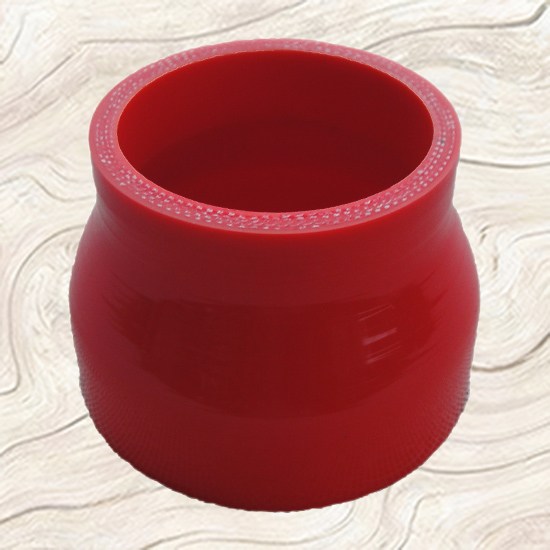
Custom silicone coupler configurations for different connection requirements.
Practical Maintenance Checklist for Universal Silicone Couplers
For maintenance teams and vehicle owners, the following checklist provides a simple reference during routine inspections:
- Inspect the silicone surface for cracks, cuts, swelling, or abrasion.
- Check both ends for secure connections and correct clamp positioning.
- Look for coolant stains, air leaks, or unusual residue around the joints.
- Confirm that the coupler is not rubbing against nearby components.
- Check for deformation after exposure to high temperatures or pressure.
- Clean external dirt with mild, material-compatible cleaning solutions.
- Verify that the silicone compound is suitable for the fluids and operating environment.
- Replace couplers with visible structural damage instead of relying on temporary repairs.
Following these steps can help identify early signs of deterioration and support more reliable hose connections. For demanding applications, maintenance should always be combined with correct product selection and compliance with the equipment manufacturer's technical requirements.
Frequently Asked Questions About Universal Silicone Coupler Maintenance
How often should universal silicone couplers be inspected?
Inspect universal silicone couplers during routine vehicle or equipment maintenance. Systems exposed to high temperatures, vibration, pressure fluctuations, or demanding operating conditions may require more frequent checks. Always follow the equipment manufacturer's maintenance schedule.
What is the best way to clean a silicone coupler?
Allow the system to cool, remove loose dirt with a soft cloth, and use warm water with a mild compatible detergent when necessary. Rinse thoroughly and dry the coupler before reinstalling it. Avoid aggressive solvents and petroleum-based cleaners.
Can a universal silicone coupler be used for oil or fuel lines?
Standard universal silicone couplers are generally not recommended for continuous oil or fuel exposure. The silicone compound must be specifically designed and verified for the fluid involved. Ask the manufacturer about an appropriate oil-resistant or fuel-resistant hose solution.
Why does a silicone coupler keep leaking?
Common causes include incorrect pipe diameter, insufficient insertion depth, poor alignment, loose clamps, excessive pressure, or damage to the coupler. Inspect the complete connection and replace the coupler if its structure has deteriorated.
How can I prevent a silicone coupler from slipping off?
Use the correct inner diameter, ensure adequate pipe insertion, position compatible clamps correctly, and tighten them according to the clamp manufacturer's recommendations. Also check whether system pressure exceeds the coupler's rated capability.
What is the difference between a reinforced and an unreinforced silicone coupler?
A reinforced silicone coupler contains additional fabric layers within its construction to improve structural support and resistance to deformation. The appropriate reinforcement level depends on the application's pressure, temperature, and mechanical requirements.
When should a silicone coupler be replaced?
Replace a coupler if it has visible cracks, tears, exposed reinforcement, persistent deformation, or recurring leaks caused by material damage. Cleaning or tightening cannot restore a structurally damaged hose.
Can RAINBOW manufacture custom universal silicone couplers?
Yes. RAINBOW supports customized silicone couplers in different lengths, diameters, colors, shapes, and reinforcement structures. Buyers can provide drawings, samples, or application specifications to discuss a suitable design.
Choosing the right silicone coupler and maintaining it properly are both important for long-term connection reliability. If you need a standard or customized solution for automotive cooling, turbocharger piping, or industrial applications, contact RAINBOW to discuss your technical requirements.
Contact RAINBOW Manufacturing for Silicone Coupler Solutions